


AI influencer marketing tools do different jobs: search for creators, analyze content, suggest a campaign plan or carry out work inside the platform. The useful comparison is what each tool can do for your team today.
Below are 14 options, with the AI use case, supporting product screenshots and questions to resolve before buying. Streamforge combines a native agent with creator and audience analysis. Other tools focus on commerce automation, conversational search or enterprise vetting. Announced and early-access features are identified in the entries.
Disclosure: Streamforge publishes this guide and is included below. Comparisons draw on publicly available product information; we haven’t tested these tools side by side.
Compare the options
Compare by use case first. Published prices below are in USD, checked September 22, 2026, with billing terms and usage charges noted.
| Platform | Best fit | Pricing or access |
|---|---|---|
| Streamforge | An agent that can operate the whole product, on top of analysis that reads content and comments | Discuss your requirements |
| GRIN | Teams that want an agent across the whole creator program | Free; paid Gia from $200/month |
| Upfluence | E-commerce teams that want briefs, outreach and analysis drafted for them | Request a plan |
| HypeAuditor | Going from a written brief to a vetted shortlist | Request pricing |
| impact.com | Partnership teams that want an assistant inside a platform they already run | Choose product and scope |
| Traackr | Enterprises willing to be early on an AI strategist | Request pricing |
| Aspire | Instagram discovery on first-party data, in plain language | Request a proposal |
| Modash | Lean teams that want AI search included in a published price | From $199/month, billed yearly |
| Influencity | People who know what they want but not which filters produce it | Monthly or annual plans |
| Sprout Social Influencer Marketing | Social teams that want AI search and fit scoring inside Sprout | Request influencer pricing |
| CreatorIQ | Enterprise brand safety across text, visuals and audio | Request pricing |
| Captiv8 | Enterprises that want vetting answers with citations | Request a proposal |
| Kolsquare | European teams that want semantic search and their data in an assistant | Compare packages |
| Later Influence | Brands that want predicted outcomes with managed campaigns | Scope software and services |
Follow a platform name to its review, or a pricing link for current terms.
1. Streamforge
Best for: an agent that can operate the whole product, on top of analysis that reads content and comments.
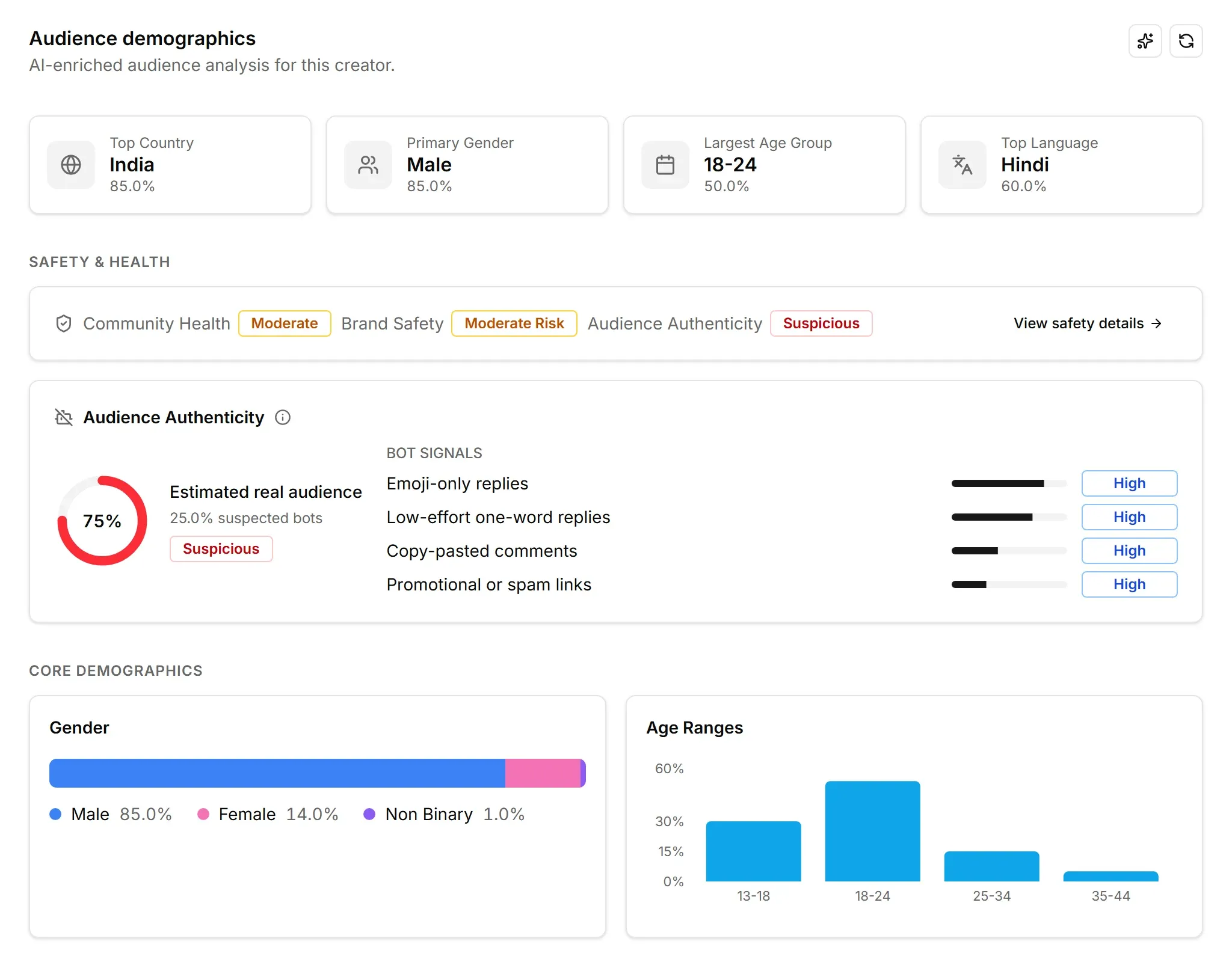
A creator’s Audience tab in Streamforge. The Audience Authenticity panel shows the estimated real audience share beside the comment-level bot signals that produced it, so a reviewer sees why a creator was rated.
Streamforge has its own agent, native to the platform, that can do everything a user can do in the product. Streamforge built it into the platform rather than around an MCP server because a native agent is faster and more integrated. Confirm its actions and approval controls during a demo.
The other place Streamforge uses AI is the analysis itself. Creator analysis combines directly supported evidence from creator profiles, published content, and other public web sources with model-inferred qualitative details. For authenticity, Streamforge analyzes the comments on a creator’s posts, videos and streams using AI to detect bot behaviour, writing styles, and repetitive phrases or comments that do not engage with the content.
Audience demographics are where the AI does the most work. Streamforge’s audience analysis is AI-based and does not require the creator to authenticate through OAuth. The model was trained on first-party audience data, and in Streamforge’s tests its results are extremely close to the platforms’ direct metrics. That matters for coverage: demographics that depend on a creator signing in exist only for creators who have signed in, and a modeled technique is not limited to them. Audience analysis is supported across YouTube, Twitch, TikTok, Instagram, and X. AI creator analysis is also one of the data sets in the API. The analysis is there to support a person’s decision, which is why the rating in the screenshot above sits beside the signals that produced it. How the audience analysis works: audience analysis methodology.
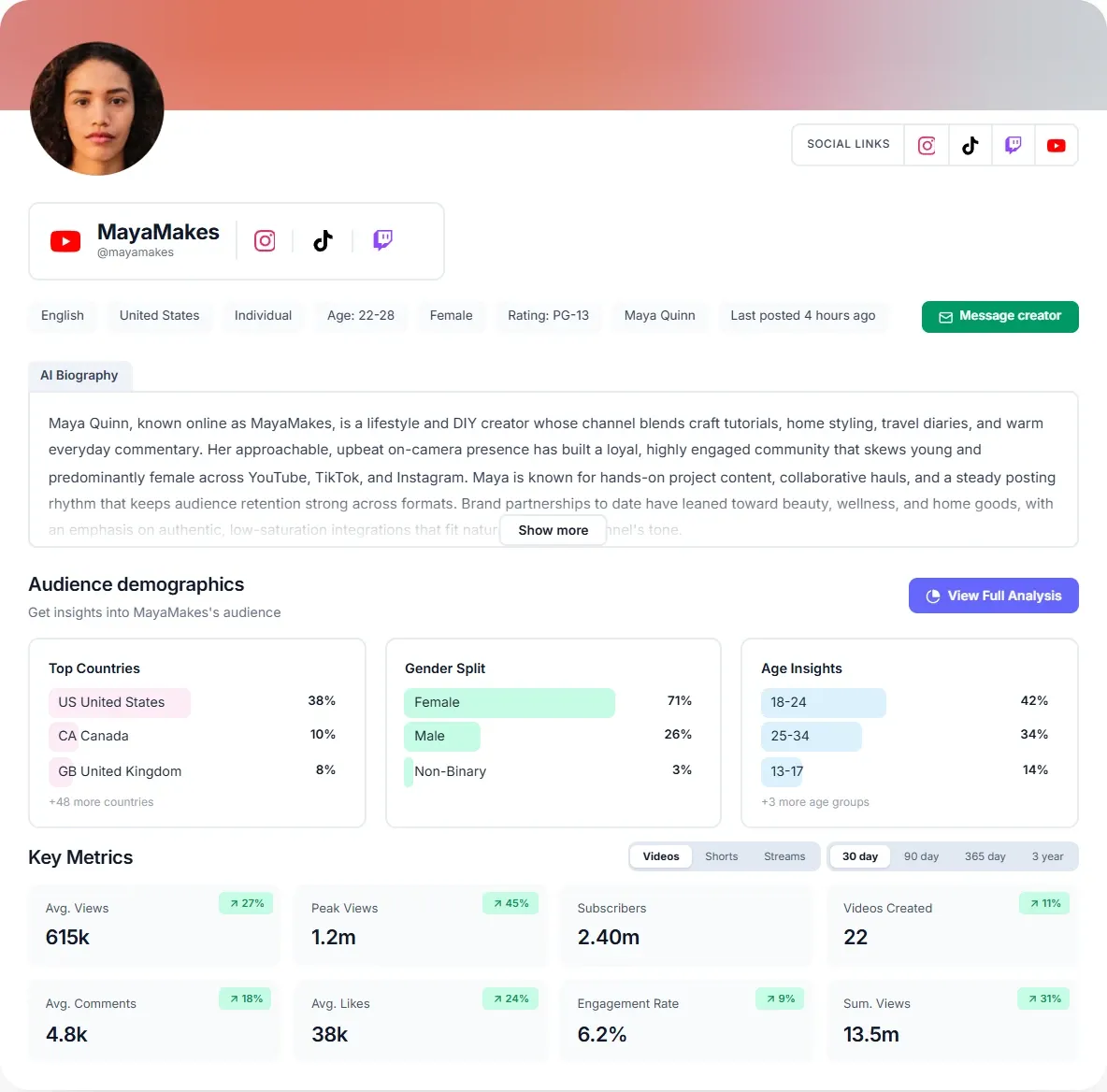
This sample creator profile shows how the biography, audience summary and channel metrics are presented together; the data shown is illustrative.
Key features
- A native agent operates within the Streamforge product.
- Creator analysis combines observed evidence with model-inferred details; comment analysis supports authenticity review.
Worth noting: Demo the native agent on your own workflow and confirm its approval controls and plan availability. The screenshots here show the analysis views, not the agent interface.
Pricing and access: Talk to Streamforge about the workflow, platforms and data access you need.
2. GRIN
Best for: teams that want an agent across the whole creator program.
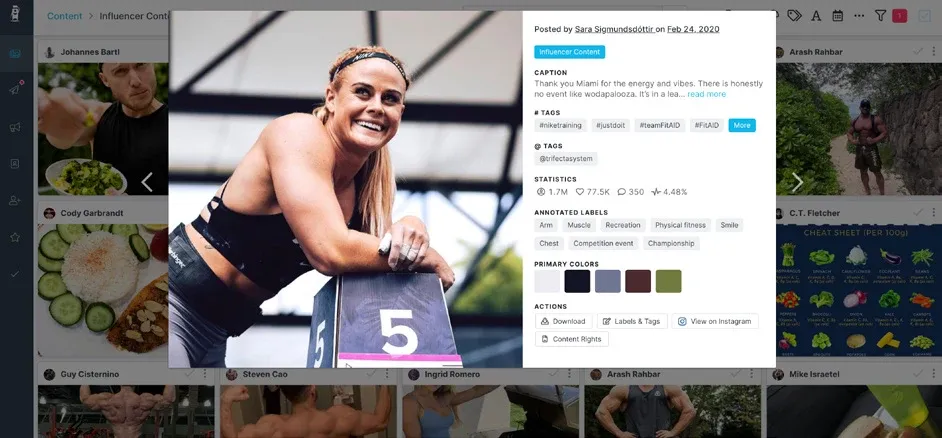
GRIN’s content library in its Trifecta case study (archival interface, with a 2020 post). Source: GRIN.
GRIN’s agent is called Gia. According to GRIN, it finds and shortlists creators, manages outreach and recurring tasks, tracks performance, and surfaces flags and recommendations, with a person approving the decisions that matter.
Key features
- Gia supports creator search, shortlisting and outreach tasks.
- Performance monitoring surfaces flags and recommendations for human review.
Worth noting: The screenshot shows GRIN’s archival content interface. Its current Gia plans use credits; estimate the recurring work those credits must cover.
Pricing and access: GRIN with Gia has a free tier; Starter is $200/month with a monthly credit allowance and metered overage. GRIN pricing.
Read the full comparison: Streamforge vs GRIN.
3. Upfluence
Best for: e-commerce teams that want briefs, outreach and analysis drafted for them.
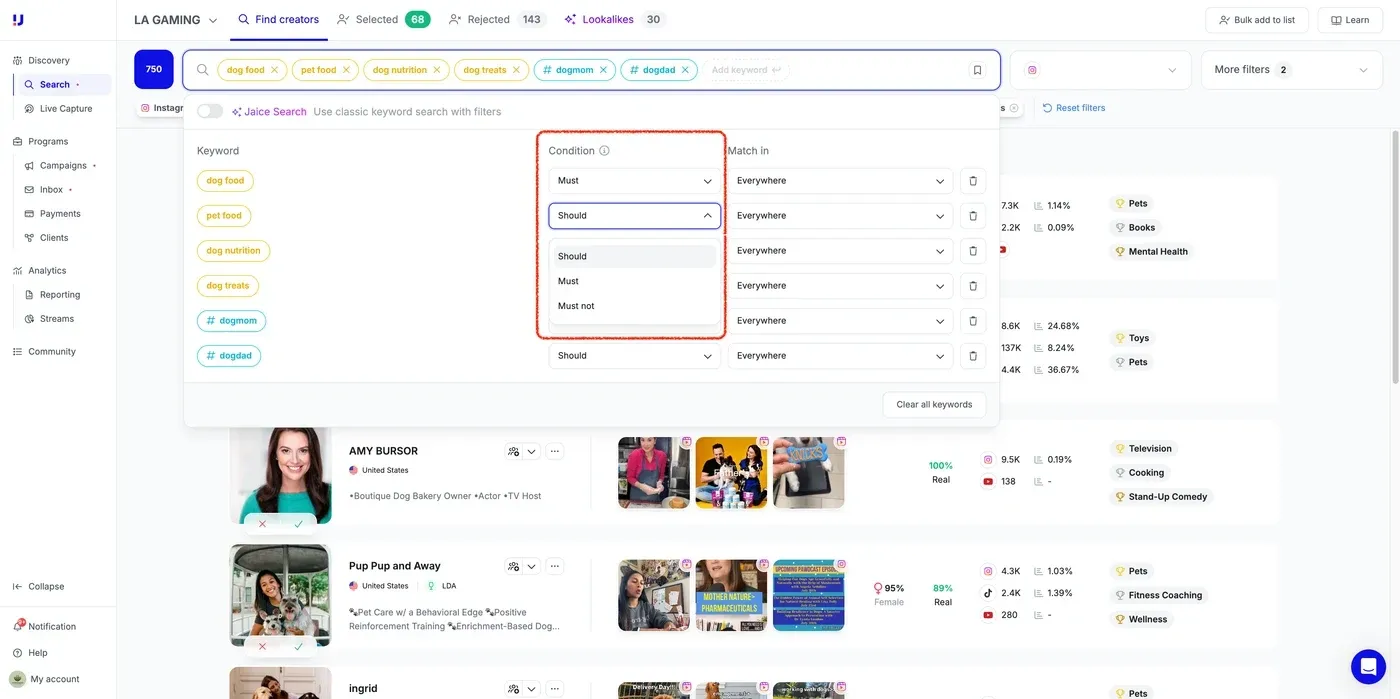
Upfluence’s Search app, shown in its creator-search guide. Source: Upfluence.
Upfluence calls its agent Jaice and describes creator discovery and vetting, brief generation, outreach drafting, follow-ups and performance analysis. It also offers an MCP server that connects its creator data to assistants including Claude, ChatGPT and Gemini; the page says the server is in beta with access on request.
Key features
- Jaice covers discovery, brief generation, outreach drafts and analysis.
- A separately described MCP beta connects creator data to external assistants.
Worth noting: Its commerce workflows are most relevant when you can connect a store. For a non-commerce campaign, demo the reporting you will actually use.
Pricing and access: Request an Upfluence plan with the commerce integrations and campaign scope you need.
Read the full comparison: Streamforge vs Upfluence.
4. HypeAuditor
Best for: going from a written brief to a vetted shortlist.
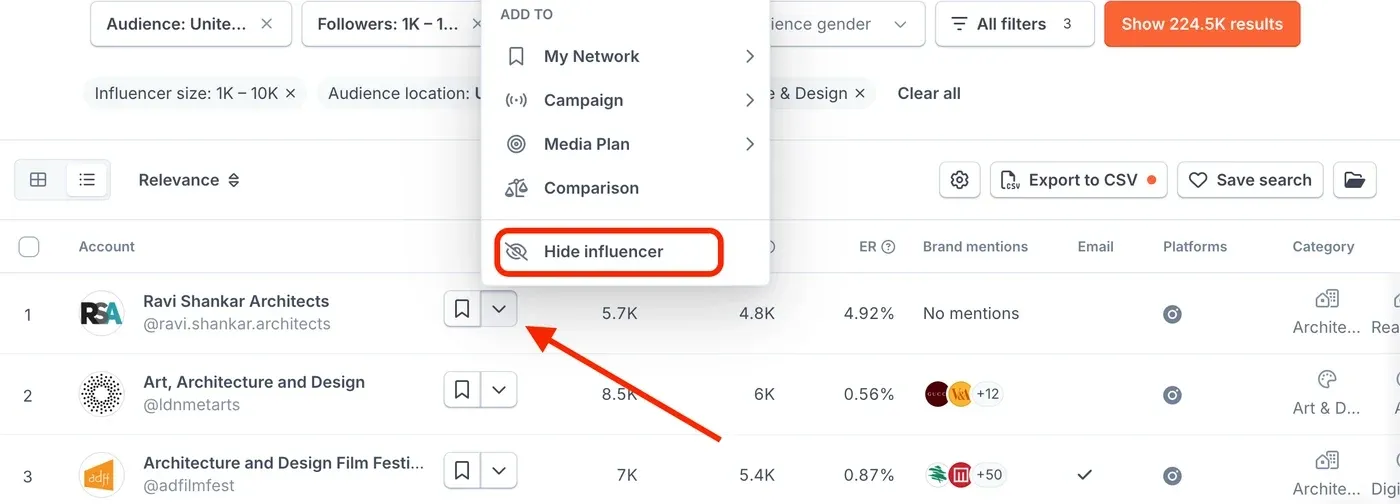
HypeAuditor’s discovery interface, annotated in its help guide. Source: HypeAuditor.
HypeAuditor lists several AI products: AI Scout, which reads a campaign brief and returns a matched shortlist; AI Coach, for campaign strategy and KPIs; and HypeAgent, a conversational assistant over its data that the company frames as early access. Its older machine-learning work, audience quality scoring and fraud detection, is what the company is known for. It also offers a connection to Claude and ChatGPT that its setup site describes as free during beta.
Key features
- AI Scout matches a written brief to creators; AI Coach supports planning.
- HypeAgent and assistant connections extend its established audience-quality analysis.
Worth noting: Ask to see the evidence behind an audience-quality score and the report allowance on your plan. A score should support a review, not replace it.
Pricing and access: Request HypeAuditor pricing for your discovery, report and campaign requirements.
Read the full comparison: Streamforge vs HypeAuditor.
5. impact.com
Best for: partnership teams that want an assistant inside a platform they already run.
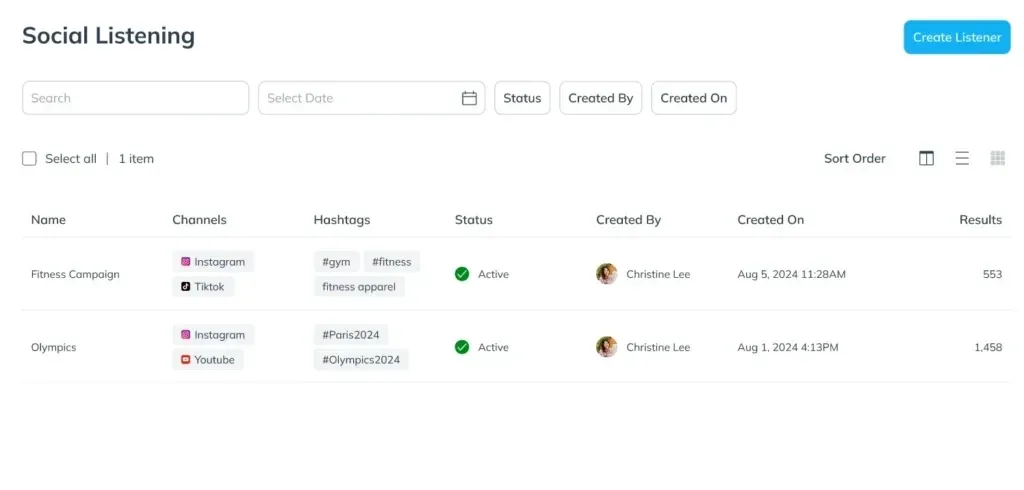
The impact.com Social Listening dashboard, shown in its Creator v2.0 walkthrough. Source: impact.com.
impact.com’s assistant, ask impact, answers questions in context and carries out tasks. A Recruitment Agent that identifies, qualifies and onboards partners was announced in June 2026 as a closed beta, and the company’s documentation describes an MCP server as a live beta.
Key features
- ask impact answers questions and performs tasks in the platform.
- The announced Recruitment Agent focuses on identifying and onboarding partners.
Worth noting: Define the partner types you need before comparing plans. A creator campaign and a broader affiliate program can require different products and setup.
Pricing and access: Contact impact.com about the creator and partnership products required for your program.
Read the full comparison: Streamforge vs impact.com.
6. Traackr
Best for: enterprises willing to be early on an AI strategist.
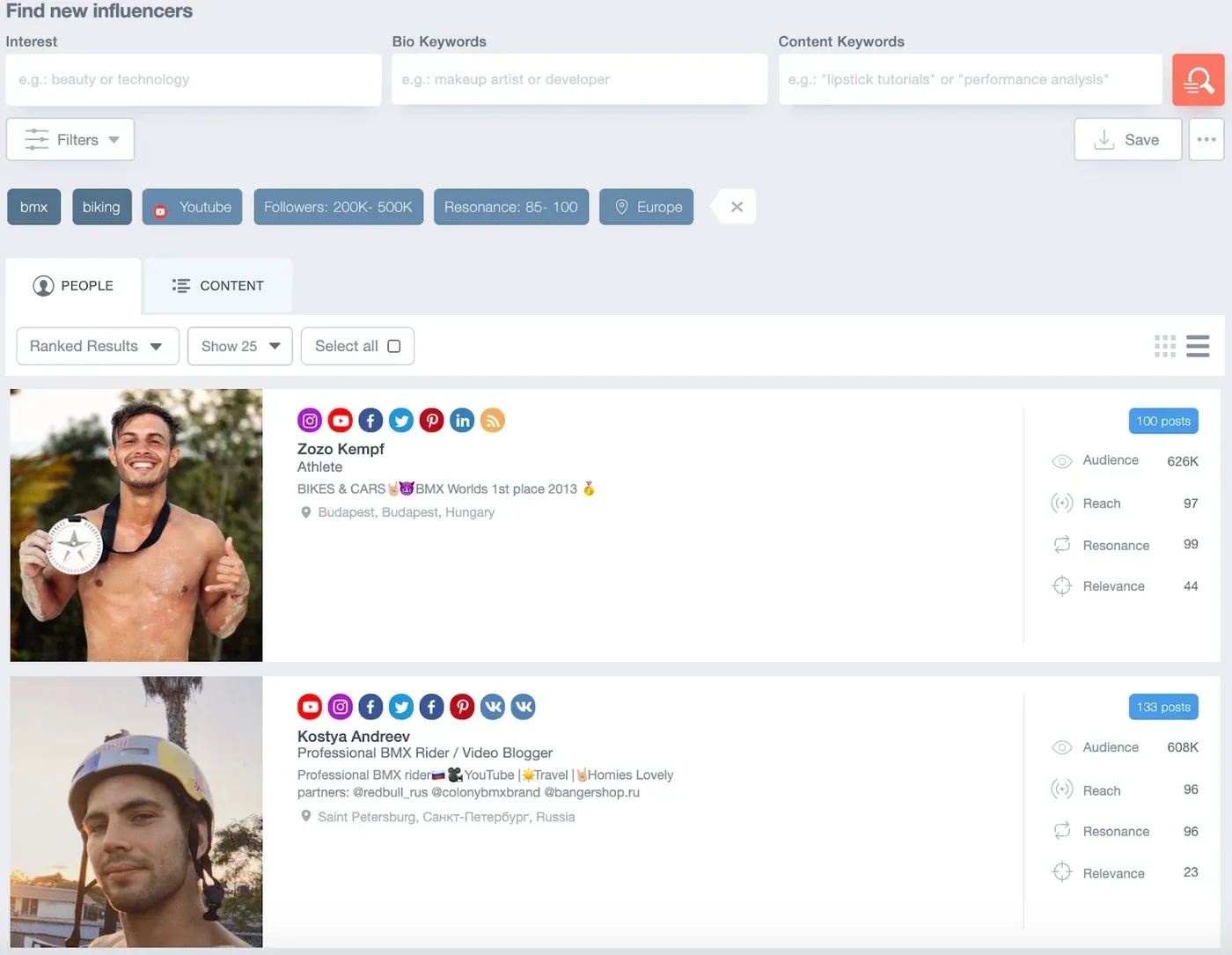
Traackr’s archival influencer search interface, from its passion-point search walkthrough. Source: Traackr.
Traackr has announced Abigail, which it describes as an AI strategist for planning, activation and reporting. At the time of writing the page refers to customers who piloted it and invites registration for launch events in September and October 2026, so treat it as early access. The existing platform already lists AI content summaries, performance forecasts, lookalike recommendations and brand-safety scanning.
Key features
- Abigail is positioned as an AI strategist for planning, activation and reporting.
- Existing AI features include content summaries, forecasts and lookalike recommendations.
Worth noting: Choose a market, period and peer set before reviewing a benchmark. Also request a current interface demo; the search image here is archival.
Pricing and access: Traackr’s pricing page directs buyers to a specialist for packages. Request pricing.
Read the full comparison: Streamforge vs Traackr.
7. Aspire
Best for: Instagram discovery on first-party data, in plain language.
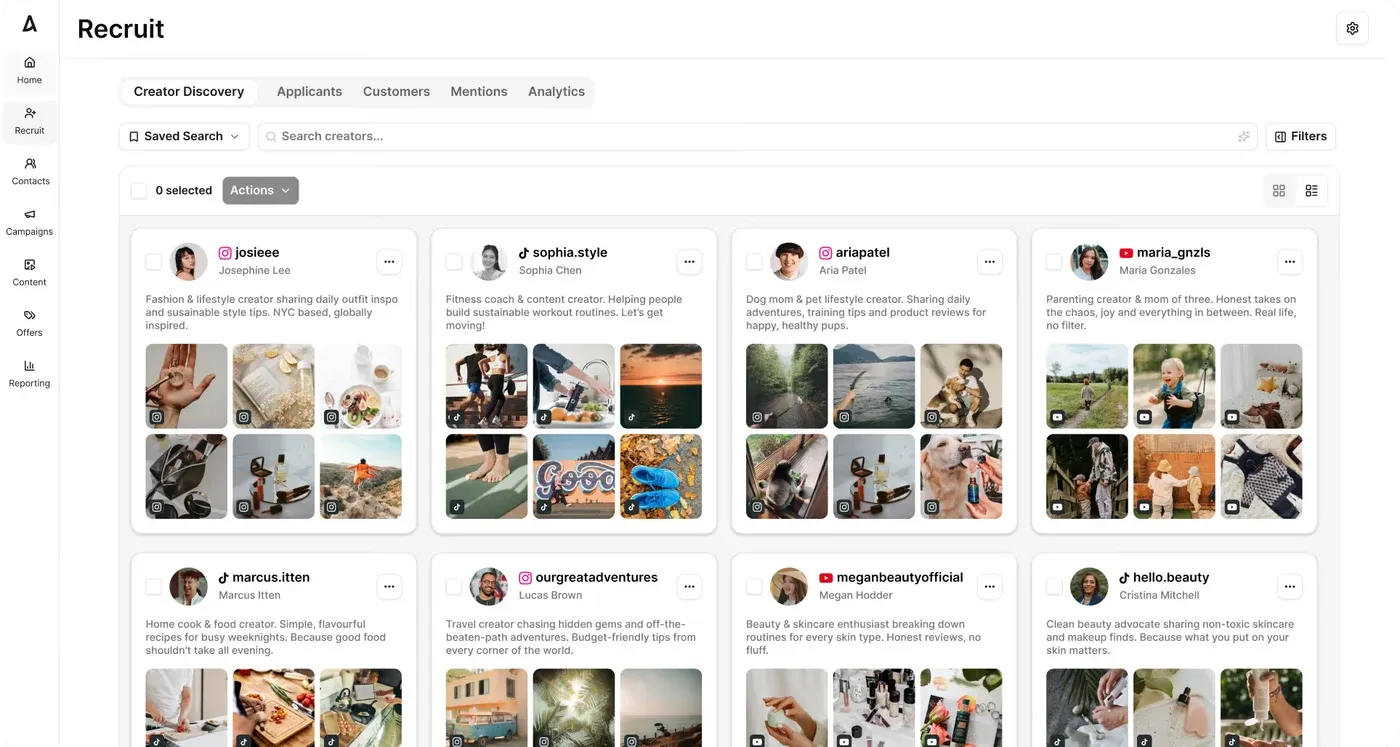
Aspire’s Recruit interface. Source: Aspire.
Aspire offers plain-language creator discovery, and an Instagram discovery product it describes as powered by Meta, with conversational search and lookalikes seeded from usernames you supply. It also has reverse image search, which finds creators whose look matches a reference picture.
Key features
- Conversational discovery translates a written brief into creator search.
- Lookalike and reverse-image search provide alternative starting points.
Worth noting: Inbound recruitment depends on who applies. Test whether the marketplace produces creators in your niche as well as enough applications.
Pricing and access: Contact Aspire for a proposal covering your recruitment and campaign workflow.
Read the full comparison: Streamforge vs Aspire.
8. Modash
Best for: lean teams that want AI search included in a published price.
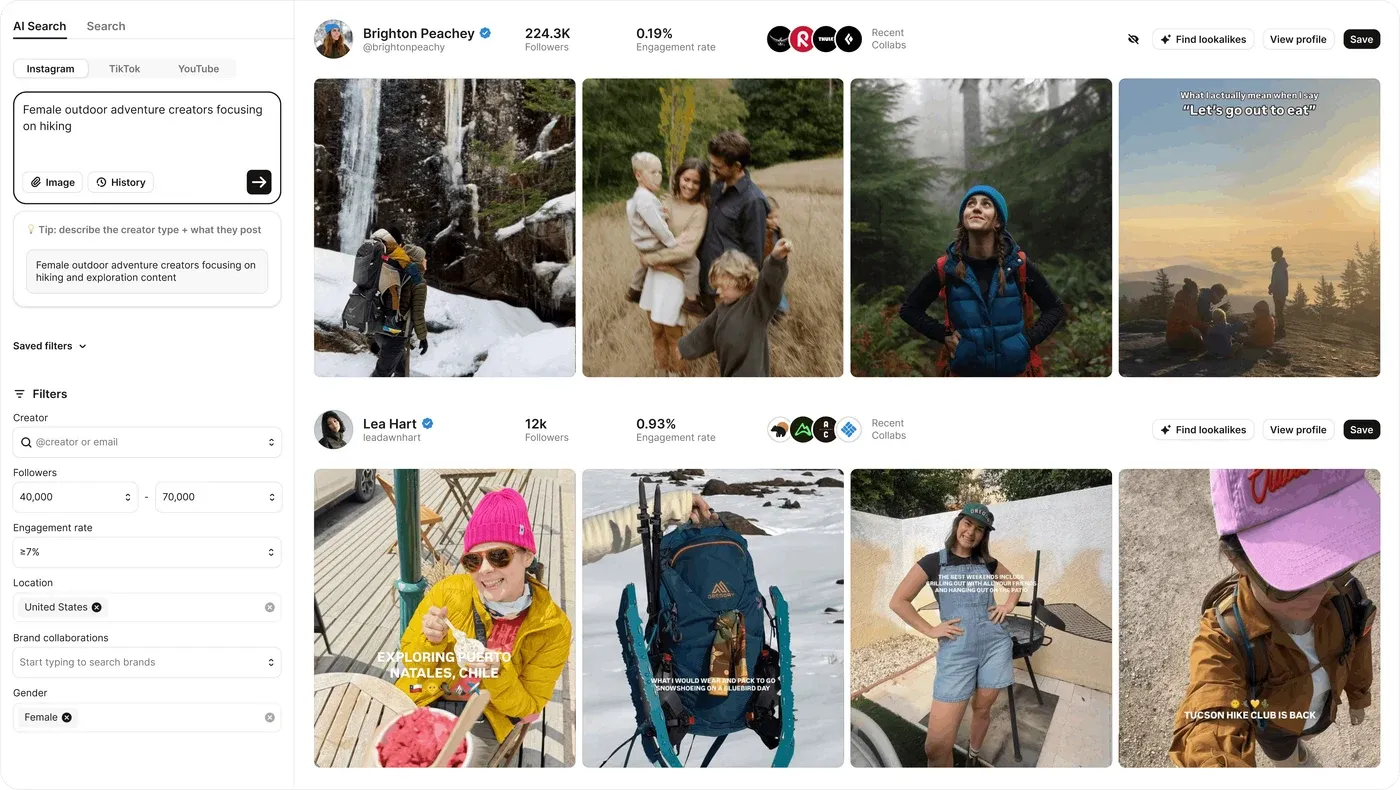
Modash’s AI Search and creator results. Source: Modash.
Modash’s AI Search lets a user describe creators in their own words and analyzes bios, captions and visuals. Visual search takes an uploaded image, and lookalike search and fake-follower detection sit alongside. The feature page describes AI Search as working on Instagram; the company’s API documentation lists more platforms, so ask which applies to your plan.
Key features
- AI Search interprets creator descriptions using bios, captions and visuals.
- Image and lookalike search offer alternatives to a filter-only workflow.
Worth noting: Check the profile-opening, email and tracked-creator allowances against a normal month of work. These limits can matter more than the seat count.
Pricing and access: Essentials starts at $199/month billed yearly ($2,388/year). Usage limits and payment features vary by tier. Modash pricing.
Read the full comparison: Streamforge vs Modash.
9. Influencity
Best for: people who know what they want but not which filters produce it.
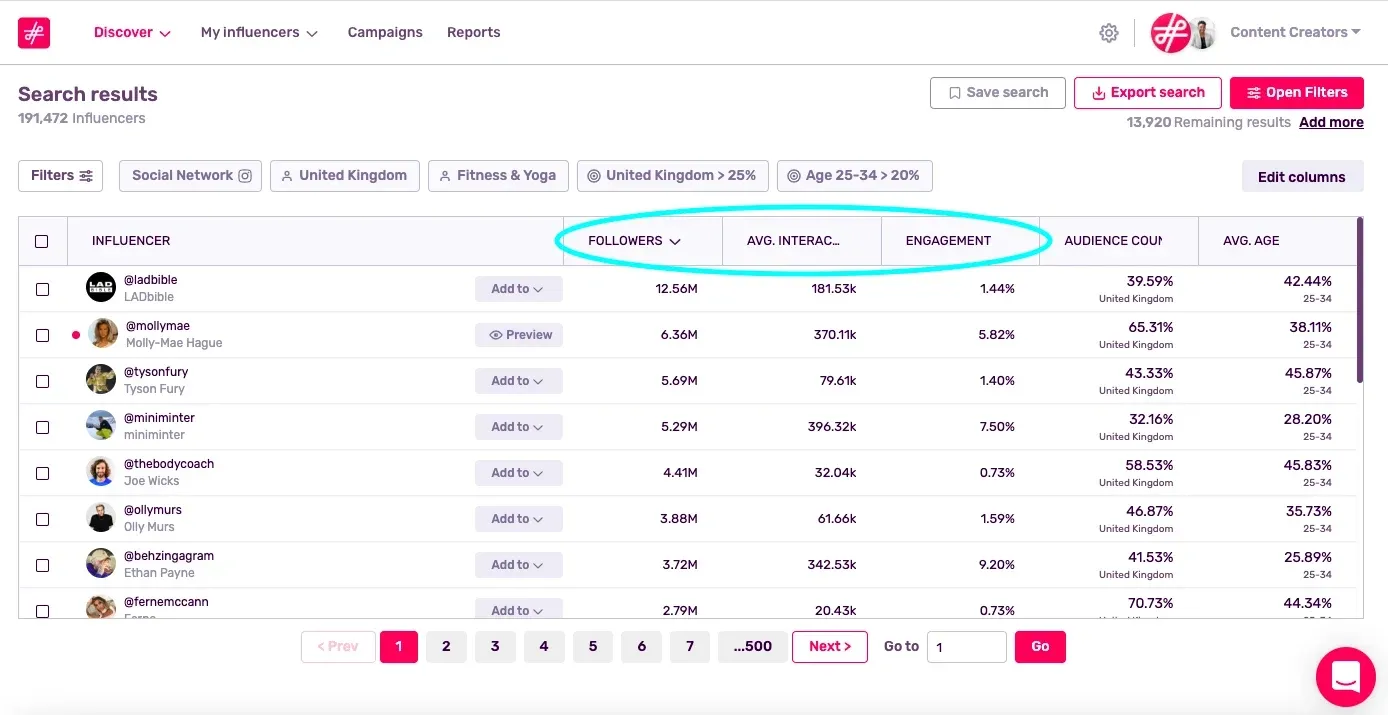
Influencity’s Discover results dashboard, annotated in its help guide. Source: Influencity.
Influencity’s AI assistant takes a prompt and fills in the search filters for you, across Instagram, TikTok and YouTube. Because the output is a set of filters rather than a list of names, you can see what it chose and change it.
Key features
- The assistant translates a prompt into search filters.
- Users can inspect and change those filters before relying on the results.
Worth noting: Price the modules and analysis capacity you actually need. A discovery-only evaluation will not tell you the cost of a complete agency workflow.
Pricing and access: Compare Influencity plans, including analysis and tracking allowances. Monthly and annual billing are available.
Read the full comparison: Streamforge vs Influencity.
10. Sprout Social Influencer Marketing
Best for: social teams that want AI search and fit scoring inside Sprout.
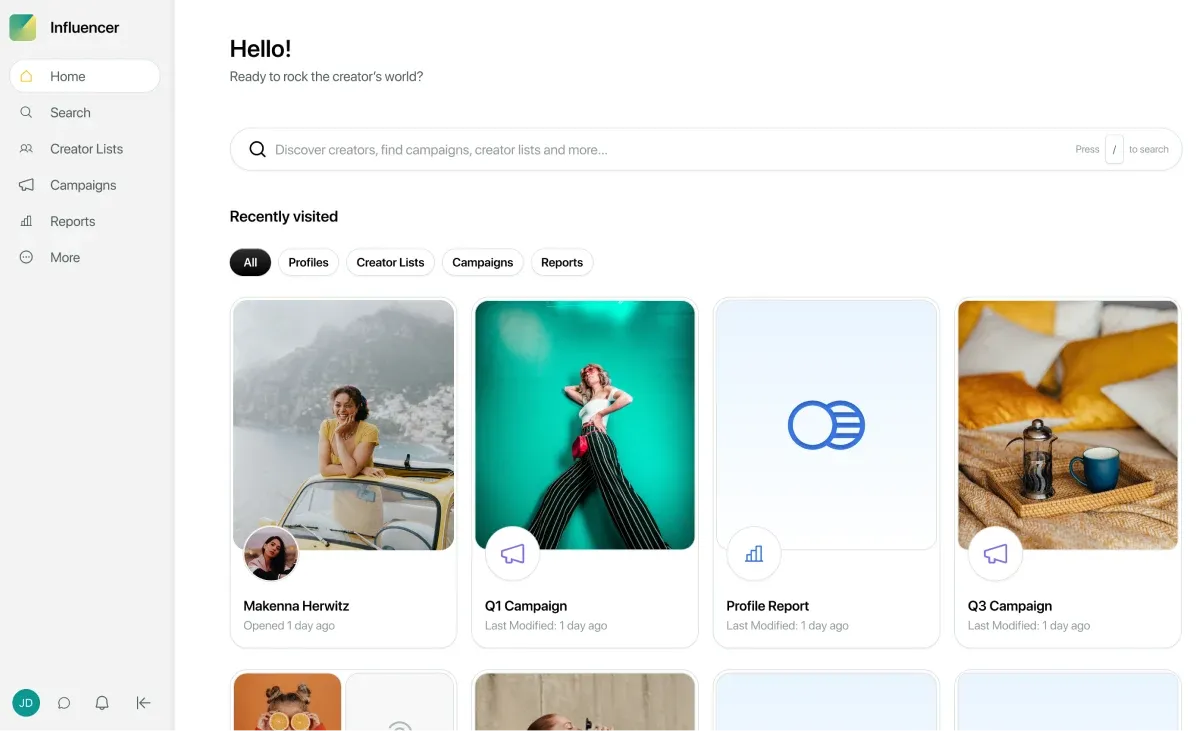
The Sprout Social Influencer Marketing dashboard. Source: Sprout Social.
Sprout announced natural-language creator search, an AI brand fit score, AI creator suggestions in lists and customizable brand-safety reporting in April 2025.
Key features
- Natural-language search and creator suggestions support sourcing.
- Brand-fit scoring and configurable safety reporting support vetting.
Worth noting: Confirm the influencer product’s pricing and integration scope separately from your existing social-management subscription.
Pricing and access: Request influencer-product pricing; do not substitute the price of Sprout’s social-management plans.
Read the full comparison: Streamforge vs Sprout Social Influencer Marketing.
11. CreatorIQ
Best for: enterprise brand safety across text, visuals and audio.
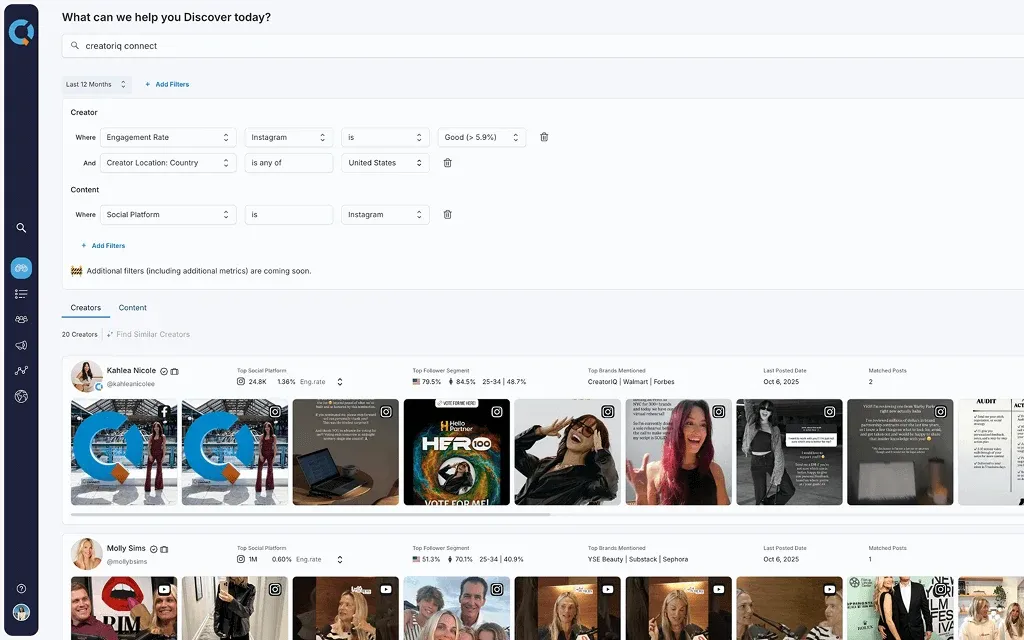
CreatorIQ’s Discovery interface. Source: CreatorIQ.
CreatorIQ’s SafeIQ reviews a creator’s text, visuals and audio and assigns a risk level, and the company says it is available as an add-on. Discovery includes semantic search, AI creator recommendations and AI detection of branded content. CreatorIQ also lists comment sentiment analysis and AI competitive intelligence as coming soon.
Key features
- SafeIQ analyzes text, visuals and audio for brand-safety risk.
- Semantic discovery and creator recommendations support enterprise sourcing.
Worth noting: Ask for your real approval chain, brand structure and export requirements in the demo. Enterprise governance only helps if it matches your organization.
Pricing and access: Request CreatorIQ pricing, including the brands, teams and integrations in scope.
Read the full comparison: Streamforge vs CreatorIQ.
12. Captiv8
Best for: enterprises that want vetting answers with citations.
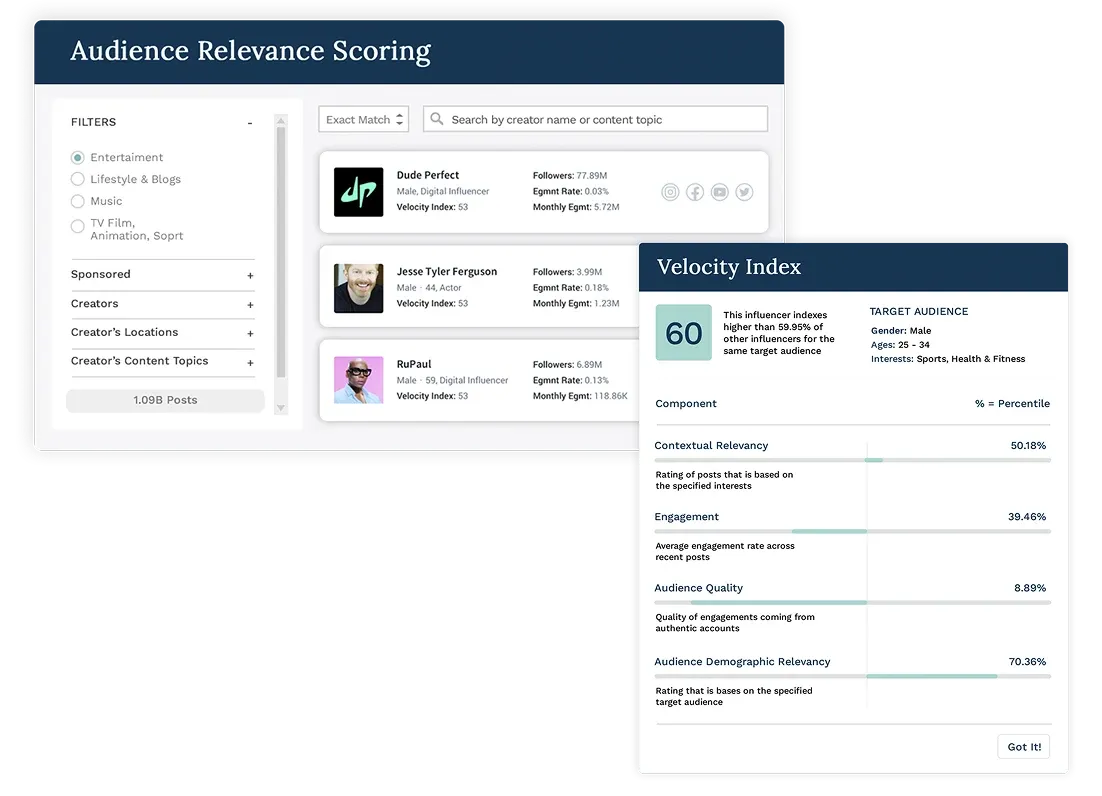
Captiv8’s audience relevance and creator analysis product image. Source: Captiv8.
Captiv8 announced a partnership with Perplexity in May 2025 covering creator vetting with justifications, an assistant that answers questions with cited sources, brand safety scoring and automated wrap reports, and followed it with a brand and media safety feature. These come from 2025 announcements, so confirm what is in the current product.
Key features
- Its Perplexity partnership announcement describes source-cited vetting answers.
- Announced capabilities include safety scoring and automated campaign wrap reports.
Worth noting: Separate the software scope from managed services in the proposal, including who will source creators, run the campaign and prepare the report.
Pricing and access: Contact Captiv8 to scope software and any managed services separately.
Read the full comparison: Streamforge vs Captiv8.
13. Kolsquare
Best for: European teams that want semantic search and their data in an assistant.
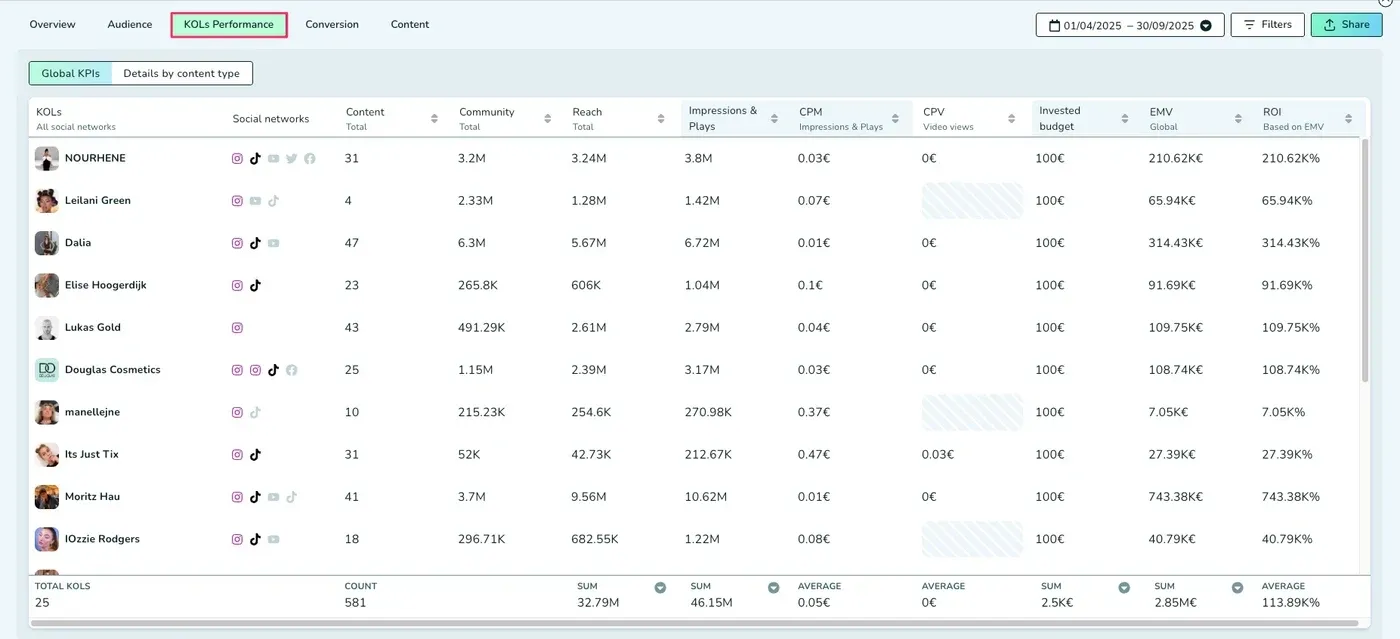
Kolsquare’s creator-performance table in a campaign report. Source: Kolsquare.
Kolsquare’s semantic search combines image recognition and speech-to-text, so a search can match what is shown and said in a video, and a credibility score covers audience quality. Its MCP server connects campaign and creator data to Claude, ChatGPT and Gemini for clients with API access, and is read-only, so an assistant cannot change anything in the account.
Key features
- Semantic search combines image recognition with speech-to-text.
- A read-only MCP connection brings creator and campaign data into an external assistant.
Worth noting: Test coverage in the countries and languages your campaign needs. A strong regional fit matters more than a global headline count.
Pricing and access: Compare Kolsquare packages and request the configuration for your team.
Read the full comparison: Streamforge vs Kolsquare.
14. Later Influence
Best for: brands that want predicted outcomes with managed campaigns.
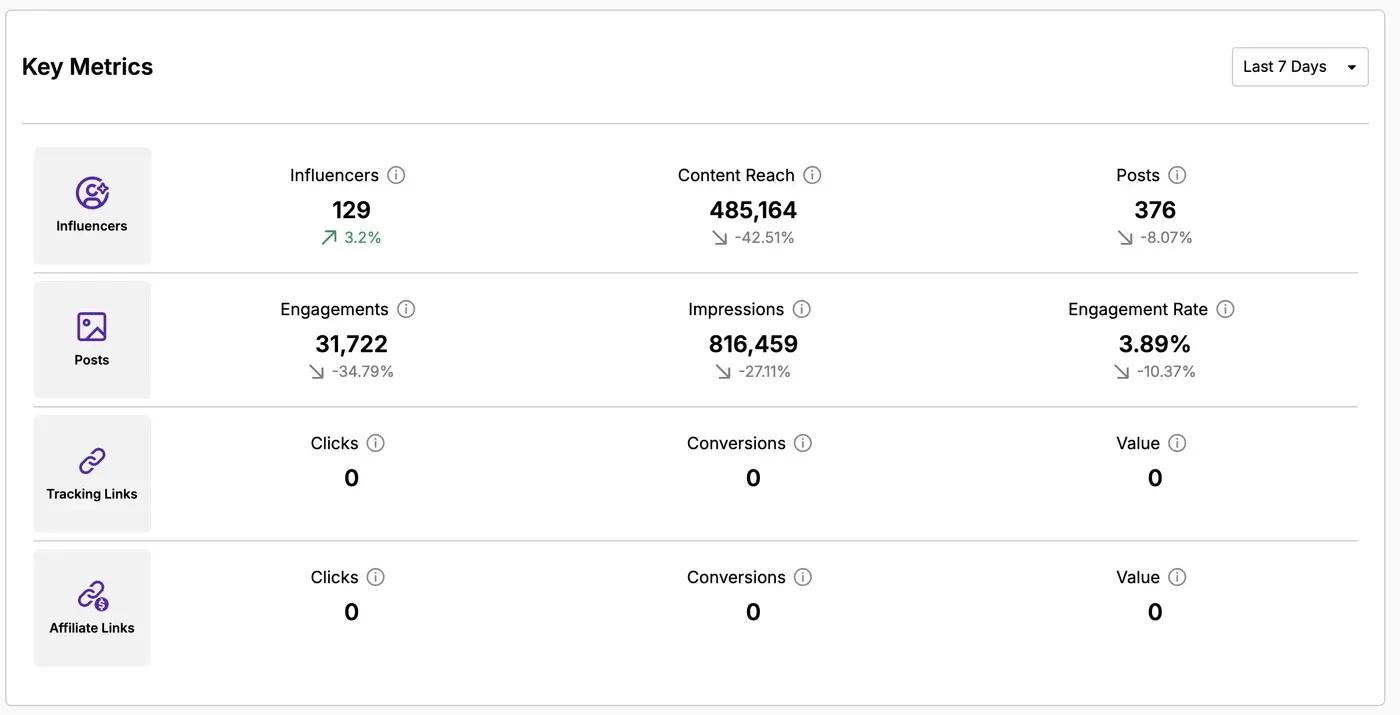
Later Influence’s campaign dashboard, from its reporting guide. Source: Later.
Later describes EdgeAI as predictive intelligence for outcome prediction, creator matching, and budget and creator-mix recommendations, alongside brand suitability screening. Much of Later’s offering is delivered with managed services, so ask how much of it a self-serve team can use.
Key features
- EdgeAI is positioned around predicted outcomes and creator matching.
- Budget and creator-mix recommendations support campaign planning.
Worth noting: Clarify which work your team performs in the software and which work Later delivers as a service, with separate deliverables and costs.
Pricing and access: Contact Later to confirm the software, service scope and campaign budget.
Read the full comparison: Streamforge vs Later Influence.
A built-in agent or an MCP server
Two architectures are emerging for putting an assistant on top of a platform. One builds the agent into the product, which is how GRIN’s Gia, Upfluence’s Jaice and Streamforge’s agent work. The other leaves the assistant where it is and exposes the platform’s data to it through MCP, the route Upfluence, HypeAuditor, Kolsquare and impact.com have each taken, mostly in beta.
They suit different teams. MCP is convenient if your people already work in Claude or ChatGPT and mostly want to ask questions of the data, and Kolsquare’s is read-only by design. A built-in agent can act as well as answer, because it has the product’s own actions to hand and not only the subset exposed to an outside tool. That is the trade Streamforge made. The cost is that you use the agent inside the product, not from the assistant you already have open.
Questions that work in any AI demo
Ask what the model read. A fit score built from a creator’s videos and comments is a different thing from one built from a bio and a category tag, and both will be called AI. Ask to see the evidence behind any score or summary, and whether the product separates what it observed from what it inferred.
Ask what the agent can do without you. Drafting an email is low risk. Sending two hundred is not. Find out where the approval steps are and whether they can be moved.
Ask what is actually shipped. Several of the features above are betas, pilots or announcements by the vendors’ own description, and that will have changed by the time you read this. The guide on building a creator shortlist covers how to keep a record of why each creator was chosen, which matters more once a model is making the first cut. For these vendors beyond their AI, see the 14 best influencer marketing platforms.
Frequently asked questions
What is the difference between AI search and an AI agent?
Search returns candidates or configures filters. An agent can perform steps within a workflow. Evaluate the actions, evidence and approval controls separately; the presence of AI search does not establish campaign automation.
How can I tell whether an AI feature is useful?
Give it the same brief your team would use, including exclusions. Review the evidence behind recommendations and record the corrections you make. For agents, confirm what requires approval and how mistakes can be undone.
Evaluate Streamforge on a real workflow
Bring a creator-selection task and the evidence you need to approve a recommendation. We’ll show how the product supports that decision.