
01
Complete Guide to Influencer Marketing Campaigns
Plan and run an influencer campaign end to end: goals, audience, creator selection, contracting, production, launch, measurement, and payment.
Read the guide 6 min read
01Strategy
How do you plan an influencer campaign before spending anything?



Overview
Almost every expensive failure in influencer marketing is a planning failure that became visible late. The budget that did not cover usage rights. The roster sized by dividing money by fee. The goal nobody could translate into a creator decision. The timeline that started at content production and left contracting out. None of those are discovered during planning, because planning is where they are created, and all of them surface at the point where they cost the most to fix.
The guides in this section cover the decisions made before any creator is contacted: what the campaign is for, who it needs to reach, where it runs, how many partners it uses, what it costs and when each step has to happen. They are written to be argued with rather than filled in, because a plan that cannot be wrong is not a plan.
The common thread is falsifiability. A goal that does not change which creators you approach is a slogan. An audience definition that no result could contradict cannot guide anything. A budget built from a fee pool is a number, not a model. Each guide here tries to state the claim in a form that a campaign could actually disprove.
Every guide in this section
Set the goal, audience, channel mix, creator portfolio, budget, timeline, and partnership model before execution begins.
01
Plan and run an influencer campaign end to end: goals, audience, creator selection, contracting, production, launch, measurement, and payment.

02
Choose or combine ongoing creator relationships and time-bound activations based on audience behavior, learning, launches, operations, and commercial needs.
5 min read

03
Size a creator roster from audience coverage, concentration risk, learning needs, budget, production capacity, overlap, and expected performance variance.
4 min read
04
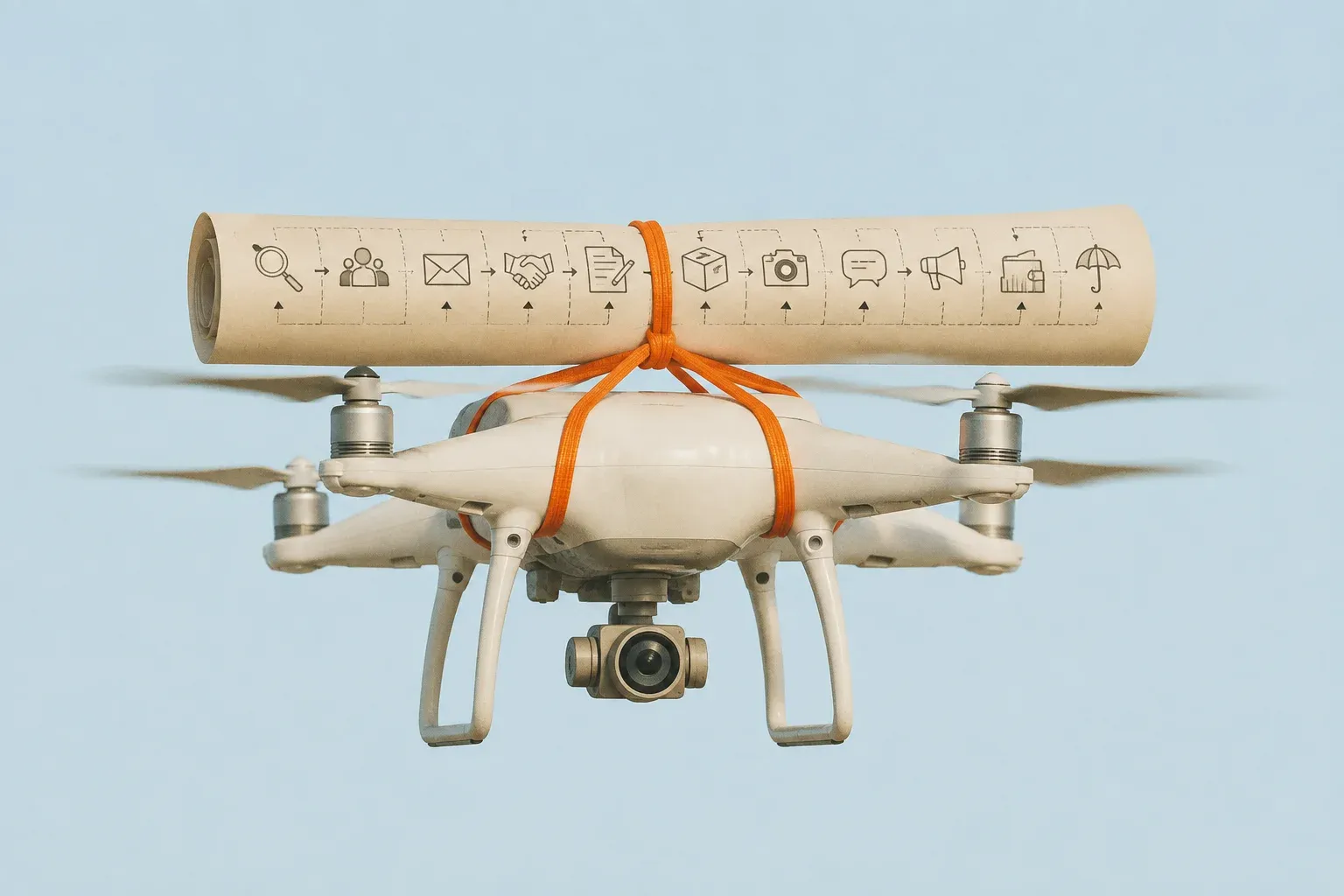
Plan an influencer campaign backward from launch: discovery, outreach, contracting, product access, production, review, publishing, and payment.
5 min read

05
Budget creator fees, rights, production, product, shipping, paid media, tools, agencies, measurement, legal review, taxes, payment, and contingency.
5 min read
06
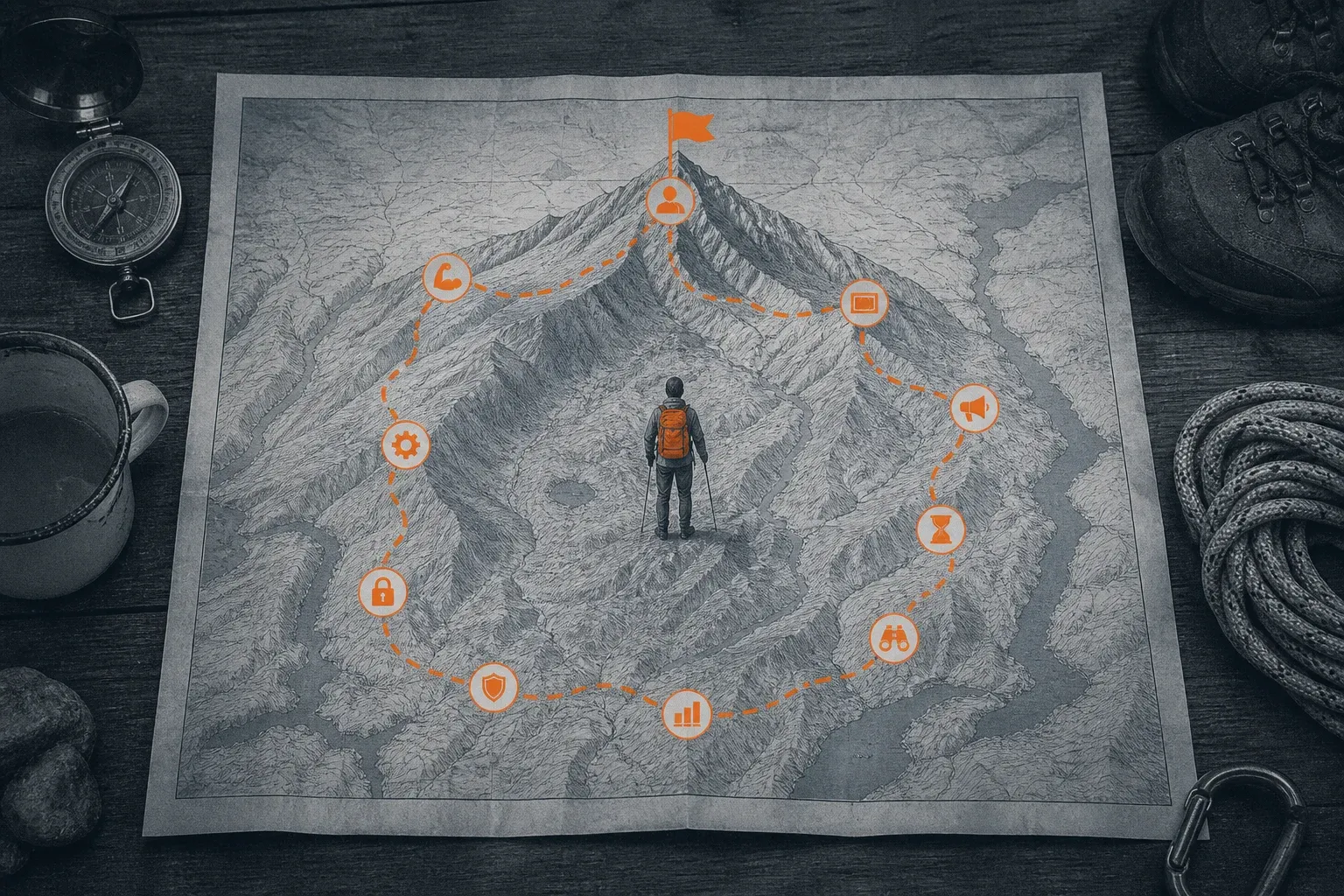
Choose channels from audience behavior, creator strength, format, campaign job, shelf life, discovery, measurement, rights, policy, and operations.
5 min read
07
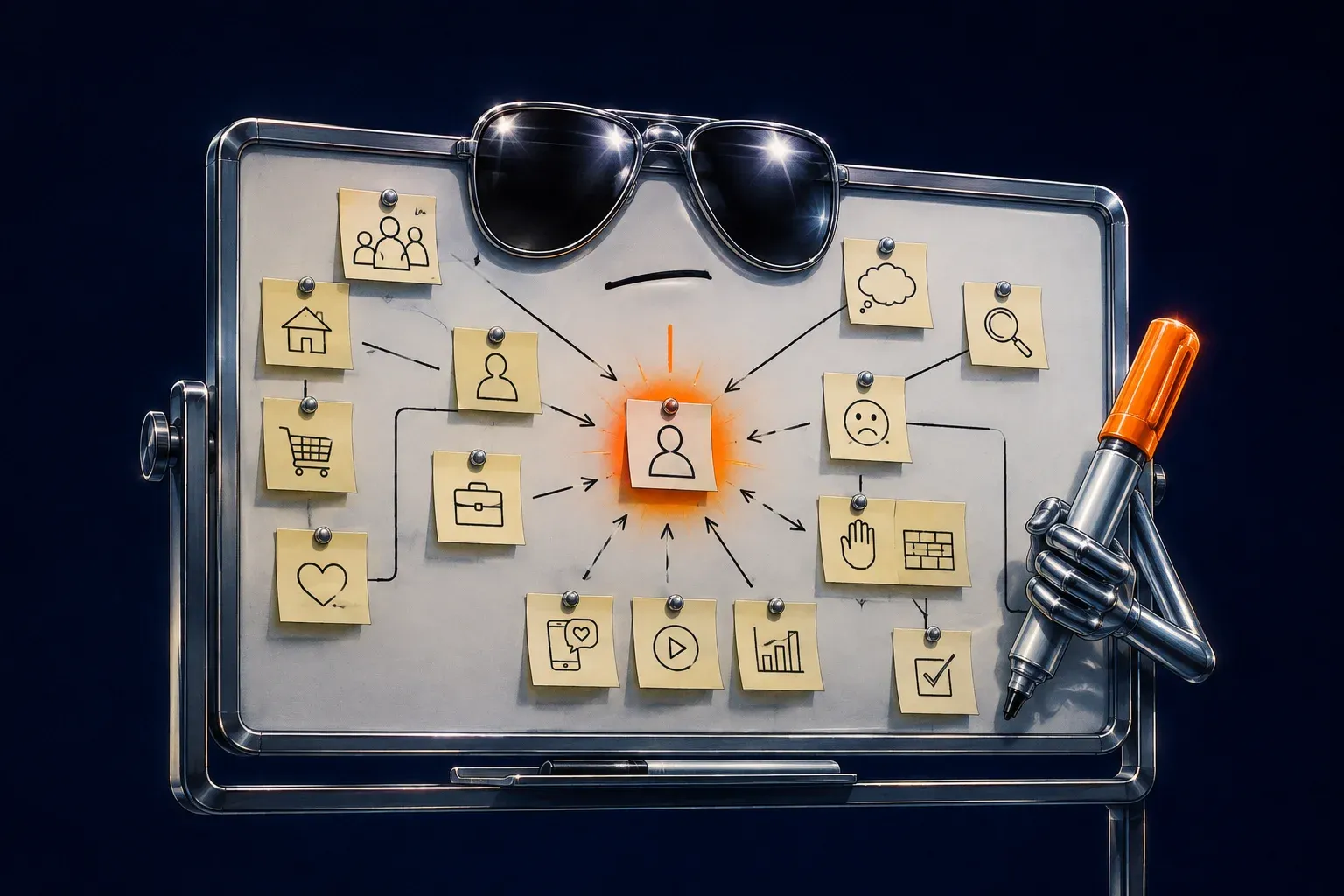
Define the people, situation, need, market, barriers, platform behavior, and evidence required for a campaign to reach a usable audience.
4 min read

08
Turn a business problem into one primary campaign outcome, diagnostic metrics, guardrails, time horizon, baseline, and decision rule.
5 min read

09
Choose creator scale by campaign role, audience concentration, credibility, creative quality, reach, variance, cost, rights, and operating complexity.
4 min read

10
Choose among paid distribution, product gifting, affiliate compensation, ongoing ambassadors, and creator-produced assets based on the campaign job.
5 min read
Where it goes wrong
Drive awareness points at every creator and every format equally, which means it points at nothing. The test that separates a real goal from a slogan is whether it changes a downstream decision: who you approach, what you commission, what the content says, what counts as a good result. When nobody can answer that, the campaign is being run for a reason that has not been written down, and it is worth surfacing that before the budget is committed.
Usage rights, paid amplification, exclusivity, product and international shipping, payment and currency costs, representative commission and internal hours are all real and none of them are the creator fee. Several of them are also cheap to agree before outreach and expensive to agree after a post performs well, which is the asymmetry most budgets are built without.
Dividing budget by fee produces a creator count and ignores the two things that actually bind: the variance you are trying to average out, and the fixed operational overhead each creator carries regardless of their size. Research, negotiation, contracting, briefing, shipping, approvals and reporting cost roughly the same for a small partner as a large one, and that cost is paid in the attention that determines whether the campaign works.
Questions and answers
The outcome and the audience, in that order, because everything else derives from them. Platform, format, roster size, budget shape and timeline are all answers to questions those two ask. Deciding the platform first, which is common, means the audience definition gets written to justify a choice already made.
Enough to run properly at a size you can learn from, which is usually a smaller roster with real measurement rather than a larger one without. Get quotes from a representative sample of the creators you would actually want before committing to a plan, since published benchmarks describe someone else’s category and rights package.
Longer than the content, and the evaluation window should come from the category’s buying cycle rather than the posting schedule. Content keeps accumulating views for weeks, and much longer on search-driven platforms, while purchase decisions lag exposure by however long the decision normally takes.
Where this leads
Creator discovery and audience fit
Once the audience is defined, the next problem is finding creators who actually reach it.
Tracking, measurement, and optimization
Decide how the result will be judged while you can still change the design.
Or return to all 104 guides.
Tell us what you’re chasing. In 15 minutes, we’ll work through where Streamforge fits.
 15 minQuick chatWith Ellia from Streamforge
We work through your requirements and where Streamforge fits, then agree on the next step.
HyperX ran a sponsored post with  emiru
emiru
Instagram · 265K views