


The best influencer marketing platform depends on where your program gets stuck. Choosing creators, tracking affiliate sales and coordinating a global team require different strengths. A long feature list can hide that distinction.
Here are 14 platforms to consider, with their best use cases, key features, buying considerations and pricing or access options. Start with the table, then jump to the two or three that match your workflow. Streamforge leads our list for creator and audience intelligence; commerce and enterprise operations have their own specialists.
Disclosure: Streamforge publishes this guide and is included below. Comparisons draw on publicly available product information; we haven’t tested these tools side by side.
Compare the options
Compare by use case first. Published prices below are in USD, checked September 22, 2026, with billing terms and usage charges noted.
| Platform | Best fit | Pricing or access |
|---|---|---|
| Streamforge | Teams whose hardest question is who to work with, and what competitors are already doing | Discuss your requirements |
| HypeAuditor | A standalone audit of a creator’s audience before a deal is signed | Request pricing |
| Modash | Lean brand, agency and consultant teams that want to be running quickly | From $199/month, billed yearly |
| Influencity | Agencies and mid-market brands that want modular tooling | Monthly or annual plans |
| GRIN | DTC and e-commerce brands running affiliate and product-seeding programs | Free; paid Gia from $200/month |
| Upfluence | Shopify and Amazon sellers who recruit creators from their own customers | Request a plan |
| Aspire | Ambassador and UGC programs where creators apply to you | Request a proposal |
| impact.com | Companies whose partnership program is much bigger than influencers | Choose product and scope |
| CreatorIQ | Multi-brand enterprises that need approvals, payments and audit trails | Request pricing |
| Traackr | Global consumer brands that benchmark and budget programs across markets | Request pricing |
| Captiv8 | Enterprises that want services and social listening with the software | Request a proposal |
| Kolsquare | Brands and agencies whose program is centered on Europe | Compare packages |
| Sprout Social Influencer Marketing | Social teams already working in Sprout Social | Request influencer pricing |
| Later Influence | Consumer brands that want managed sourcing and campaign support | Scope software and services |
Follow a platform name to its review, or a pricing link for current terms.
1. Streamforge
Best for: teams whose hardest question is who to work with, and what competitors are already doing.
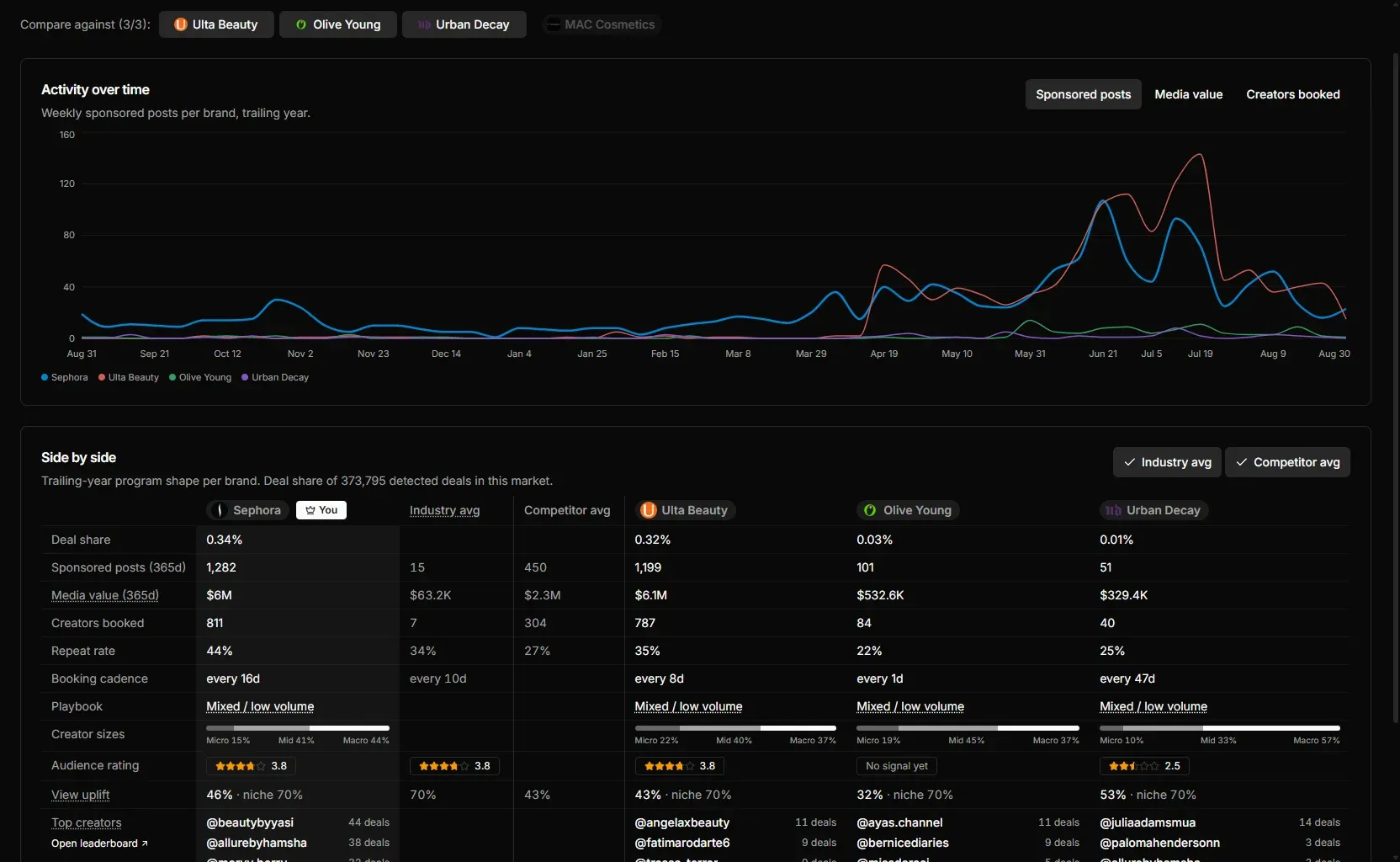
The comparison view in Streamforge Intelligence sets up to four brands side by side on sponsored posts, media value, creators booked and repeat rate, each against the industry and competitor averages.
Streamforge is an influencer marketing platform for creator discovery, audience analysis, competitive intelligence, campaign workflow, and data access by API. The weight is on the decisions made before launch: who a creator reaches, whether that audience fits, how safe the partnership is, and what competitors are doing.
Discovery runs on a database of 48M creators. Audience analysis is supported across YouTube, Twitch, TikTok, Instagram, and X, and Streamforge has benchmarked its audience-analysis technique against first-party audience data from the platforms and found it to be highly accurate. For authenticity, Streamforge analyzes the comments on a creator’s posts, videos and streams using AI to detect bot behaviour, writing styles, and repetitive phrases or comments that do not engage with the content.
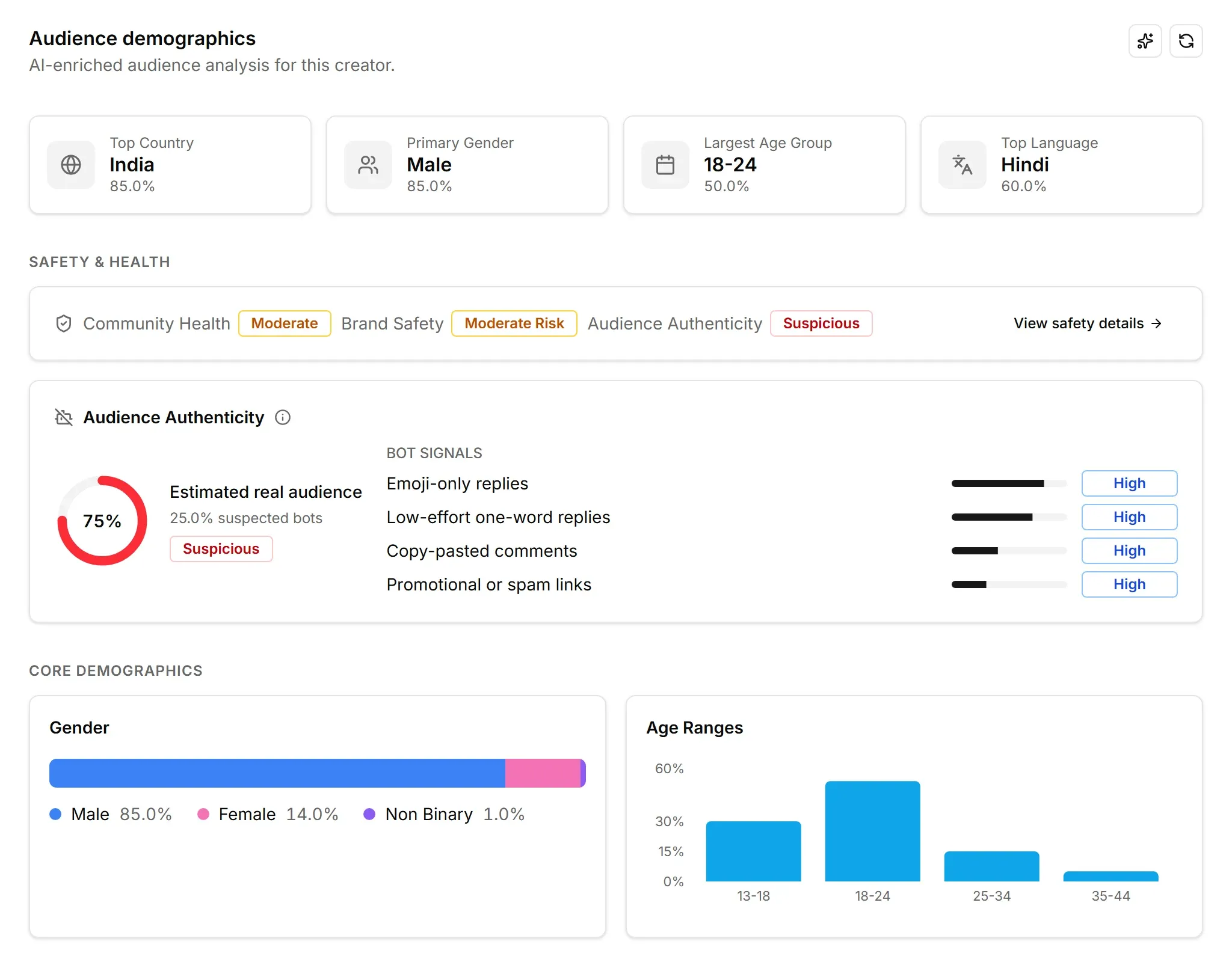
Streamforge’s Audience tab puts demographics beside authenticity signals, so a reviewer can inspect the evidence behind the rating.
The other half of the product is market visibility. Streamforge Intelligence shows competitor rosters, estimated spend, content value and category movement, so a shortlist can be checked against who a rival already sponsors before the first email goes out.
Search, vetting, outreach, campaign tracking and performance reporting sit in one workflow, and the same data is available through an API that covers five platforms in one integration. Coverage is deepest in gaming, where the platform started: Streamforge uses IGDB as its source of truth for game and genre metadata, then applies proprietary techniques to connect that taxonomy to creators and content across social platforms.
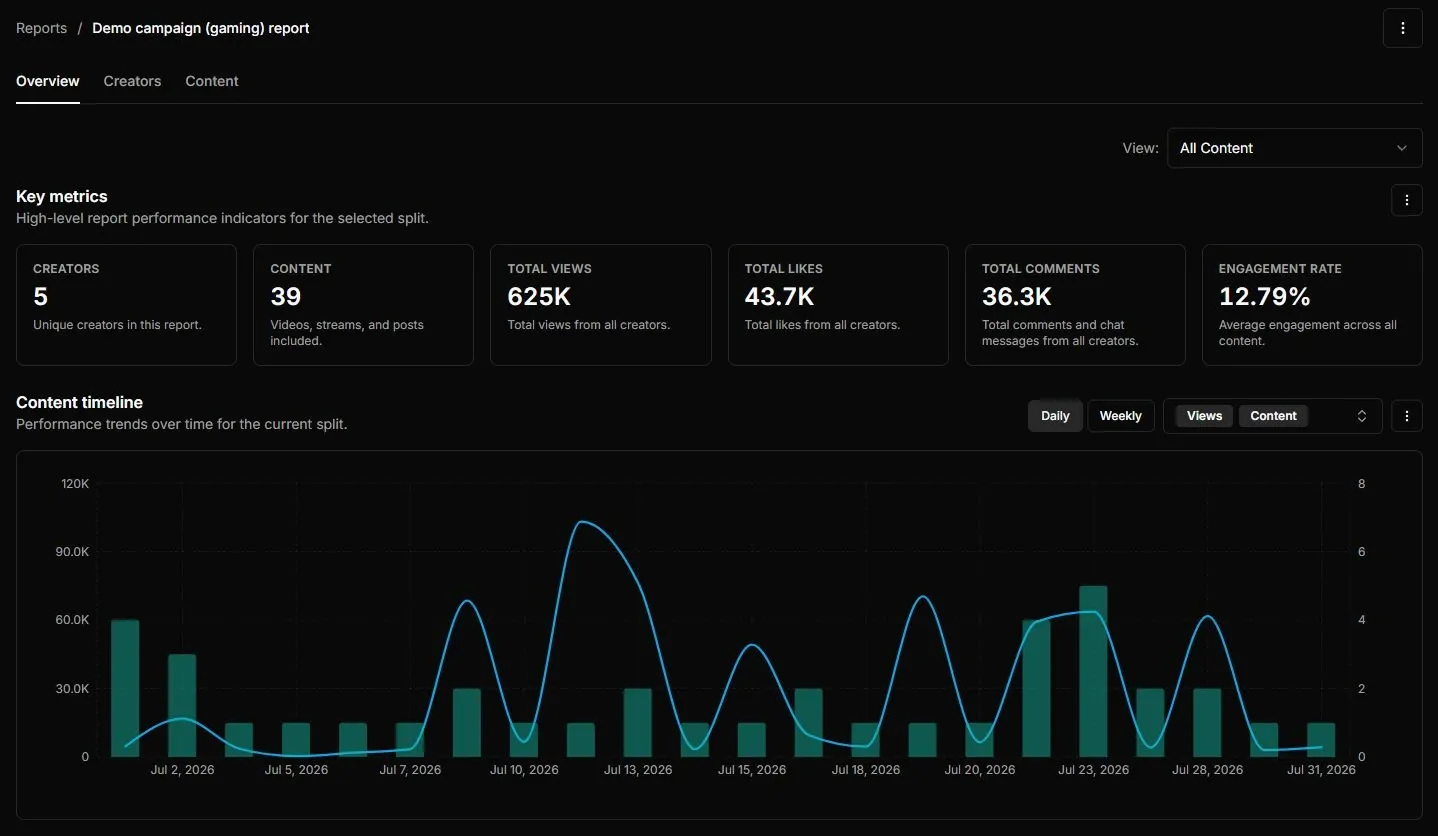
Streamforge’s demo campaign report shows the campaign’s content and performance over time.
Key features
- Creator discovery and audience analysis support the decision about who to work with.
- Competitive intelligence adds market context before outreach and campaign planning.
Worth noting: If your main requirement is affiliate commissions, creator payments or complex approvals, compare those workflows directly with the commerce and enterprise tools below.
Pricing and access: Talk to Streamforge about the workflow, platforms and data access you need.
2. HypeAuditor
Best for: a standalone audit of a creator’s audience before a deal is signed.
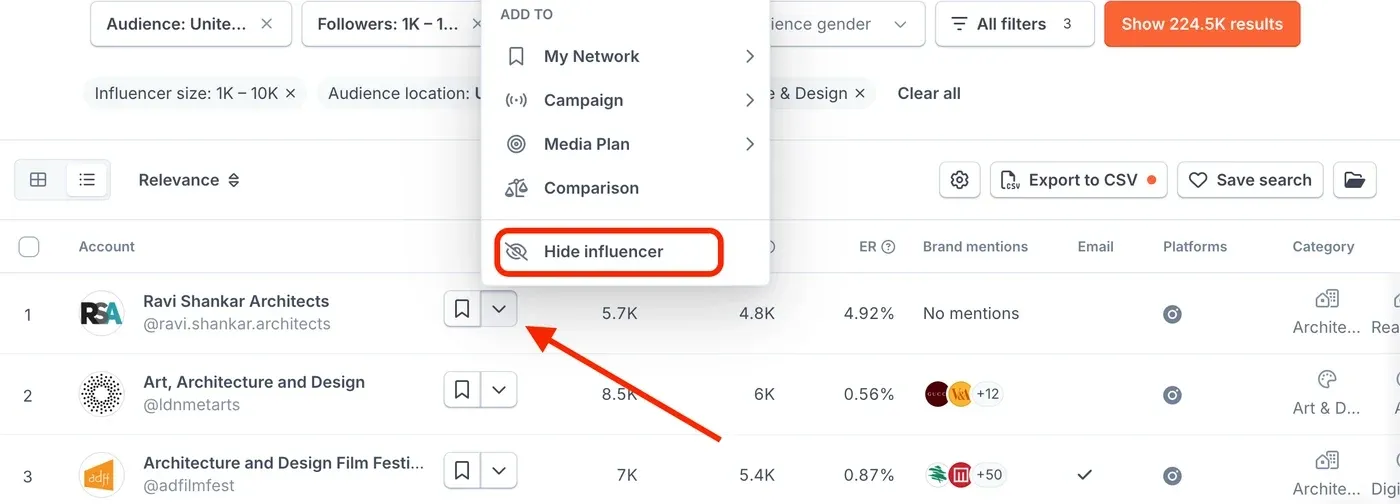
HypeAuditor’s discovery interface, annotated in its help guide. Source: HypeAuditor.
HypeAuditor is known for influencer discovery, audience quality, fraud detection and profile analytics. Audience demographics, authenticity and quality analysis are its core strengths, and discovery comes with extensive filters, categories and lookalikes. Outreach, campaign tracking and reporting extend that analytics workflow rather than lead it, which makes HypeAuditor a natural second opinion alongside whatever runs the campaign.
Key features
- Audience demographics and authenticity signals support creator vetting.
- Discovery filters and lookalikes help narrow a candidate pool.
Worth noting: Ask to see the evidence behind an audience-quality score and the report allowance on your plan. A score should support a review, not replace it.
Pricing and access: Request HypeAuditor pricing for your discovery, report and campaign requirements.
Read the full comparison: Streamforge vs HypeAuditor.
3. Modash
Best for: lean brand, agency and consultant teams that want to be running quickly.
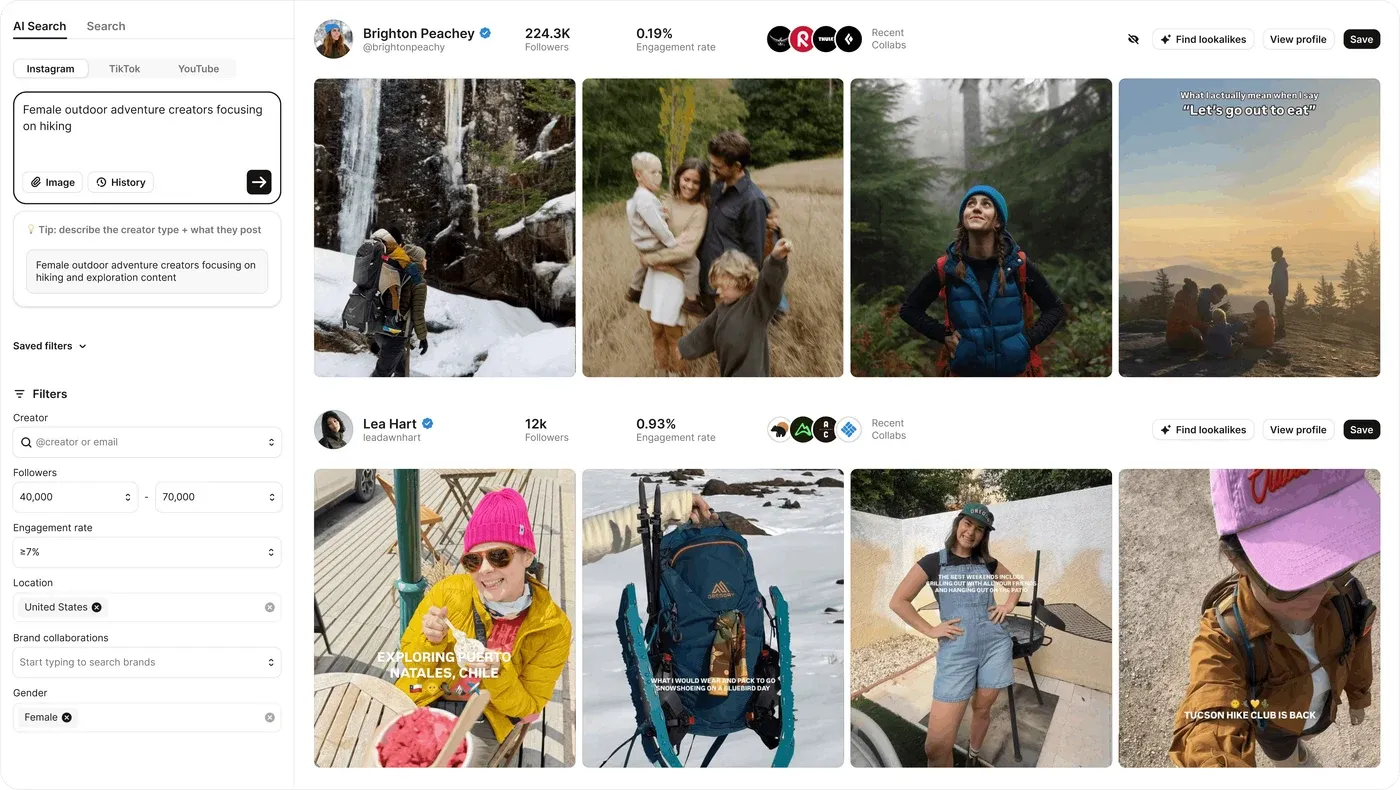
Modash’s AI Search and creator results. Source: Modash.
Modash is a lean, well-reviewed platform for discovery, inbox, campaign tracking, content and payments. Its creator search is large, with filters, lookalikes and lists built for fast shortlisting, and profiles carry audience demographics, authenticity, engagement and performance signals. The workflow is deliberately light.
Key features
- Filters, lookalikes and creator lists support fast shortlisting.
- An inbox, content tracking and campaign reports carry the shortlist into execution.
Worth noting: Check the profile-opening, email and tracked-creator allowances against a normal month of work. These limits can matter more than the seat count.
Pricing and access: Essentials starts at $199/month billed yearly ($2,388/year). Usage limits and payment features vary by tier. Modash pricing.
Read the full comparison: Streamforge vs Modash.
4. Influencity
Best for: agencies and mid-market brands that want modular tooling.
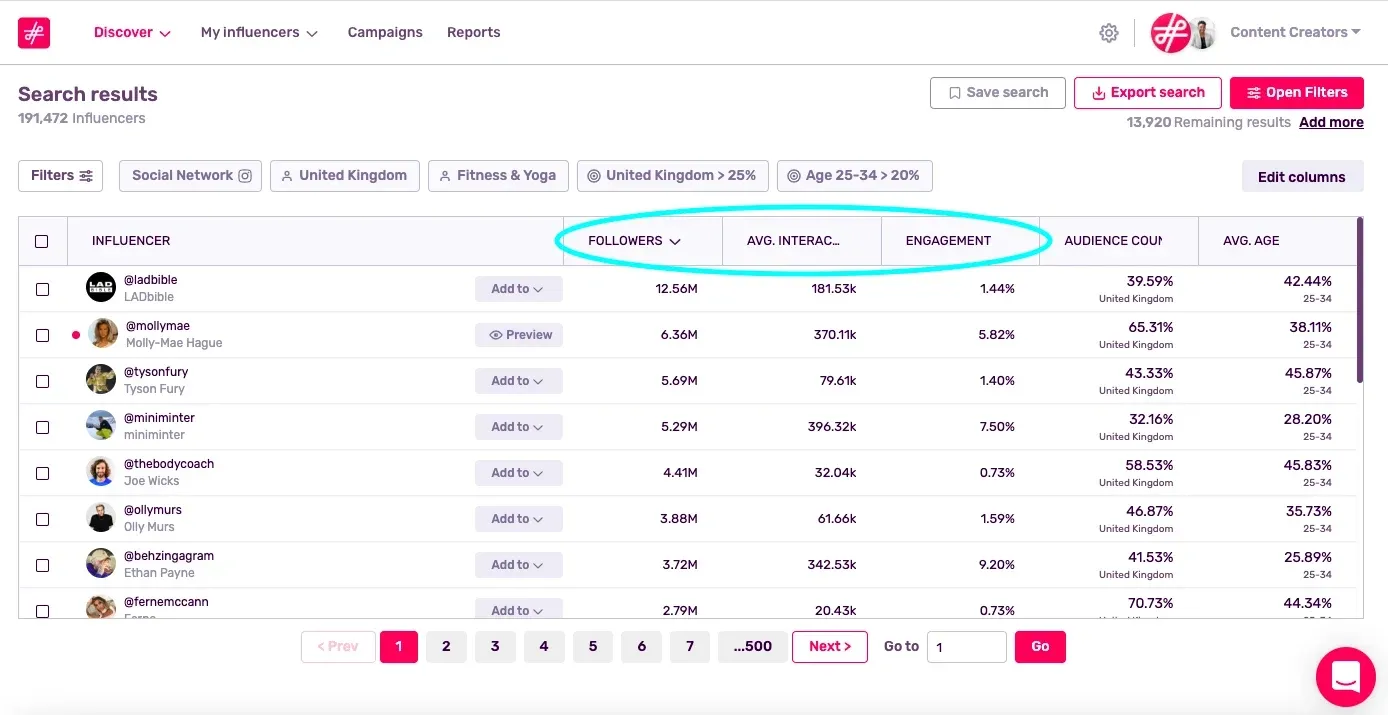
Influencity’s Discover results dashboard, annotated in its help guide. Source: Influencity.
Influencity provides discovery, audience analysis, relationship management, campaign tracking and reporting as modules a team can combine. The creator database is broad, with filters, lookalikes, lists and profile search, and its profile analysis covers demographics, authenticity, interests and performance. Client-facing workflows make it a common fit for agencies and consultants.
Key features
- Creator filters, lookalikes and profile analysis support research.
- Modular relationship, campaign and reporting tools suit teams managing several clients.
Worth noting: Price the modules and analysis capacity you actually need. A discovery-only evaluation will not tell you the cost of a complete agency workflow.
Pricing and access: Compare Influencity plans, including analysis and tracking allowances. Monthly and annual billing are available.
Read the full comparison: Streamforge vs Influencity.
5. GRIN
Best for: DTC and e-commerce brands running affiliate and product-seeding programs.
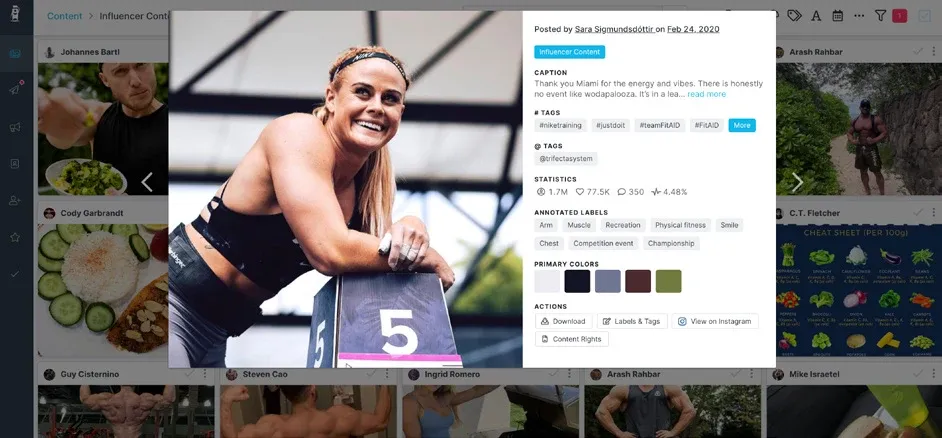
GRIN’s content library in its Trifecta case study (archival interface, with a 2020 post). Source: GRIN.
GRIN is built around running creator and affiliate programs from recruitment through payments. Recruitment, outreach, content tracking, affiliate revenue and creator payments live in one program stack, discovery is tied to relationship history, and integrations cover commerce, CRM, productivity and analytics tools. Reporting centers on owned creator programs, affiliate revenue and content performance.
Key features
- Recruitment and relationship history keep creator context with the program.
- Affiliate tracking, content reporting and payments connect operations to results.
Worth noting: The screenshot shows GRIN’s archival content interface. Its current Gia plans use credits; estimate the recurring work those credits must cover.
Pricing and access: GRIN with Gia has a free tier; Starter is $200/month with a monthly credit allowance and metered overage. GRIN pricing.
Read the full comparison: Streamforge vs GRIN.
6. Upfluence
Best for: Shopify and Amazon sellers who recruit creators from their own customers.
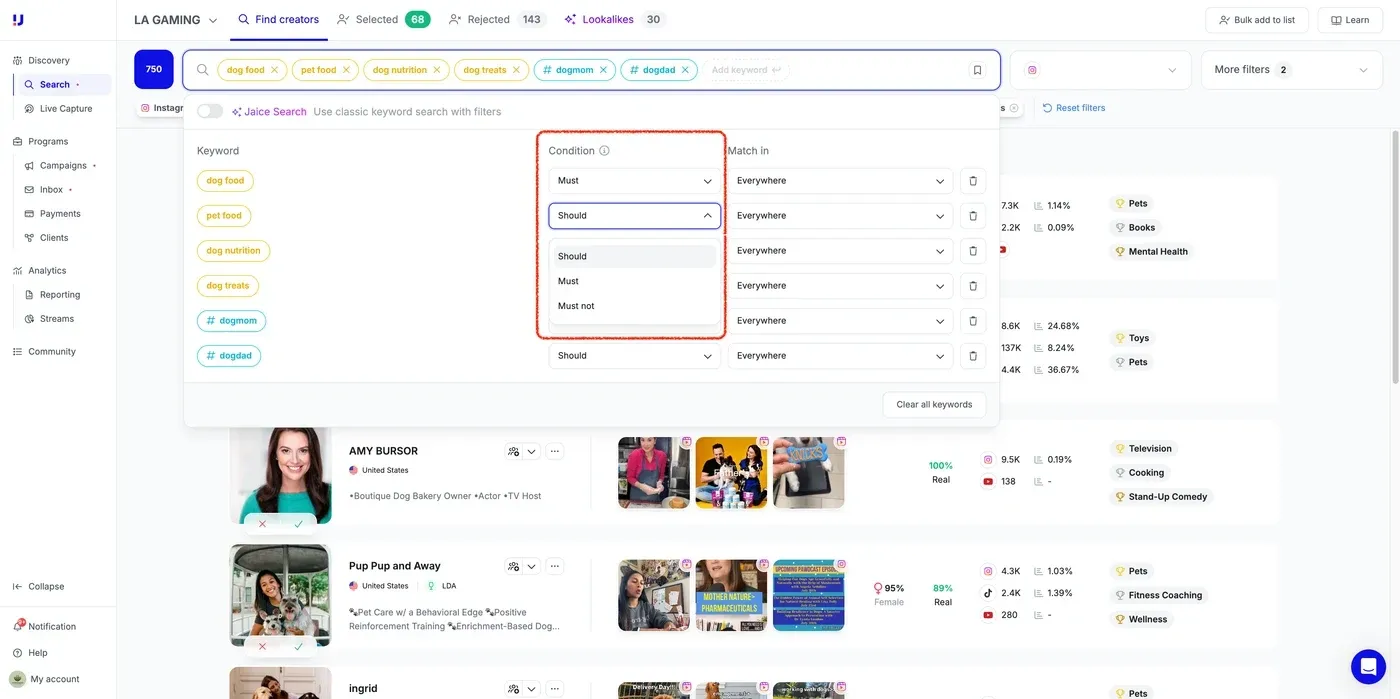
Upfluence’s Search app, shown in its creator-search guide. Source: Upfluence.
Upfluence is tightly aligned with e-commerce, affiliate, gifting and creator outreach workflows. Alongside a creator database with AI-assisted sourcing, it captures creators from a brand’s existing customer base, which turns people who already buy the product into the first recruitment list. Promo codes, sales tracking, affiliate workflows and payments follow, and native commerce integrations, including Shopify and Amazon workflows, are a central strength.
Key features
- Customer-base matching identifies creators who already buy from the brand.
- Shopify and Amazon workflows connect gifting, promo codes and affiliate tracking.
Worth noting: Its commerce workflows are most relevant when you can connect a store. For a non-commerce campaign, demo the reporting you will actually use.
Pricing and access: Request an Upfluence plan with the commerce integrations and campaign scope you need.
Read the full comparison: Streamforge vs Upfluence.
7. Aspire
Best for: ambassador and UGC programs where creators apply to you.
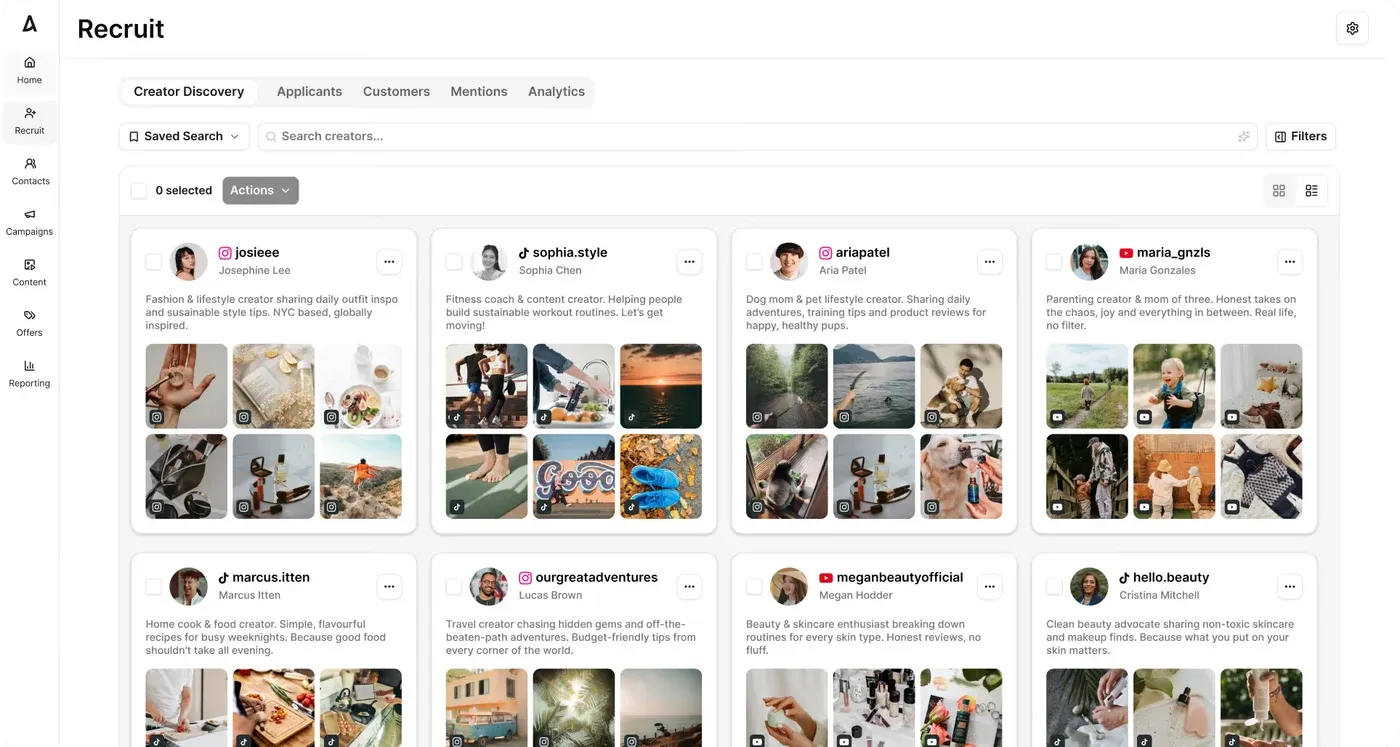
Aspire’s Recruit interface. Source: Aspire.
Aspire combines a creator marketplace with campaign, content, commerce and payment workflows. Its distinguishing move is inbound: alongside outbound search, creators apply through the marketplace and through campaign pages, which suits ambassador, UGC, affiliate and e-commerce programs that want volume. Briefs, contracts, deliverables, content and payments are handled in the same place, and commerce integrations include Shopify.
Key features
- A creator marketplace and campaign applications support inbound recruitment.
- Briefs, deliverables, content and commerce workflows support ongoing ambassador programs.
Worth noting: Inbound recruitment depends on who applies. Test whether the marketplace produces creators in your niche as well as enough applications.
Pricing and access: Contact Aspire for a proposal covering your recruitment and campaign workflow.
Read the full comparison: Streamforge vs Aspire.
8. impact.com
Best for: companies whose partnership program is much bigger than influencers.
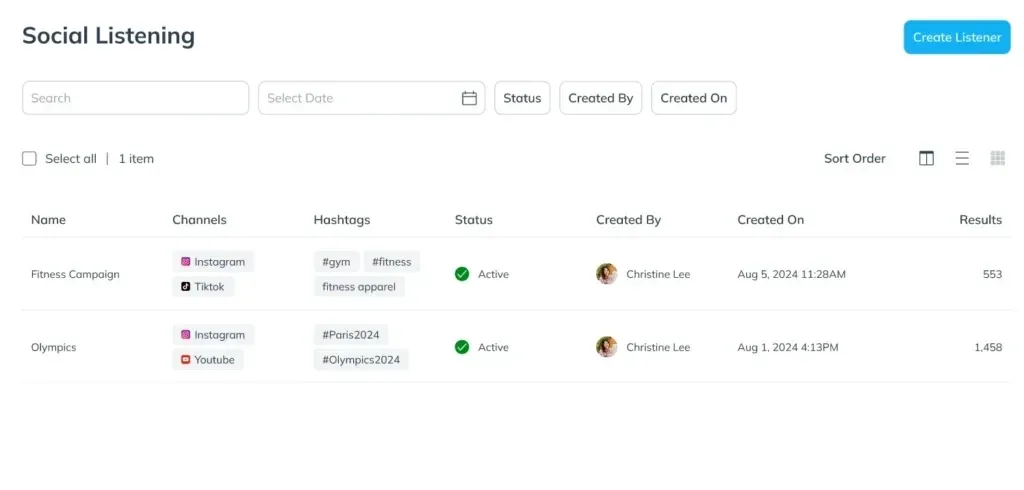
The impact.com Social Listening dashboard, shown in its Creator v2.0 walkthrough. Source: impact.com.
impact.com manages affiliates, creators, publishers, referrals, contracts, tracking and payouts across one broad partnership platform. Its marketplace recruits every partner type, not only creators, and the core of the product is onboarding, contracts, tracking, automation and payouts. Attribution reporting centers on each partnership’s contribution to revenue, and enterprise tracking, integrations and APIs are a central strength.
Key features
- Recruitment spans creators, affiliates, publishers and other partner types.
- Contracts, attribution and payouts connect partner activity to revenue.
Worth noting: Define the partner types you need before comparing plans. A creator campaign and a broader affiliate program can require different products and setup.
Pricing and access: Contact impact.com about the creator and partnership products required for your program.
Read the full comparison: Streamforge vs impact.com.
9. CreatorIQ
Best for: multi-brand enterprises that need approvals, payments and audit trails.
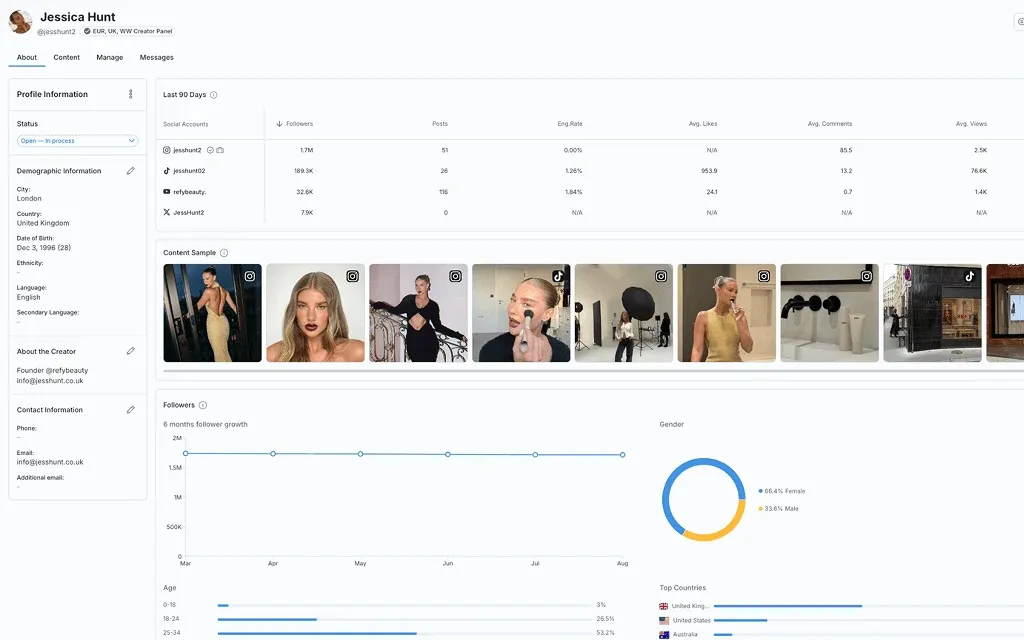
CreatorIQ’s creator management interface. Source: CreatorIQ.
CreatorIQ is built for operations at scale: onboarding, approvals, contracts, payments and bulk operations, with explicit multi-brand governance, roles, workflows and audit trails. Discovery is content-first with brand-safety signals and similar-creator recommendations, audience insights include first-party viewership data for creators who opt in, and a bidirectional API sits inside an established integration ecosystem.
Key features
- Content-led discovery and brand-safety signals support selection.
- Approvals, payments and multi-brand governance support a global operation.
Worth noting: Ask for your real approval chain, brand structure and export requirements in the demo. Enterprise governance only helps if it matches your organization.
Pricing and access: Request CreatorIQ pricing, including the brands, teams and integrations in scope.
Read the full comparison: Streamforge vs CreatorIQ.
10. Traackr
Best for: global consumer brands that benchmark and budget programs across markets.
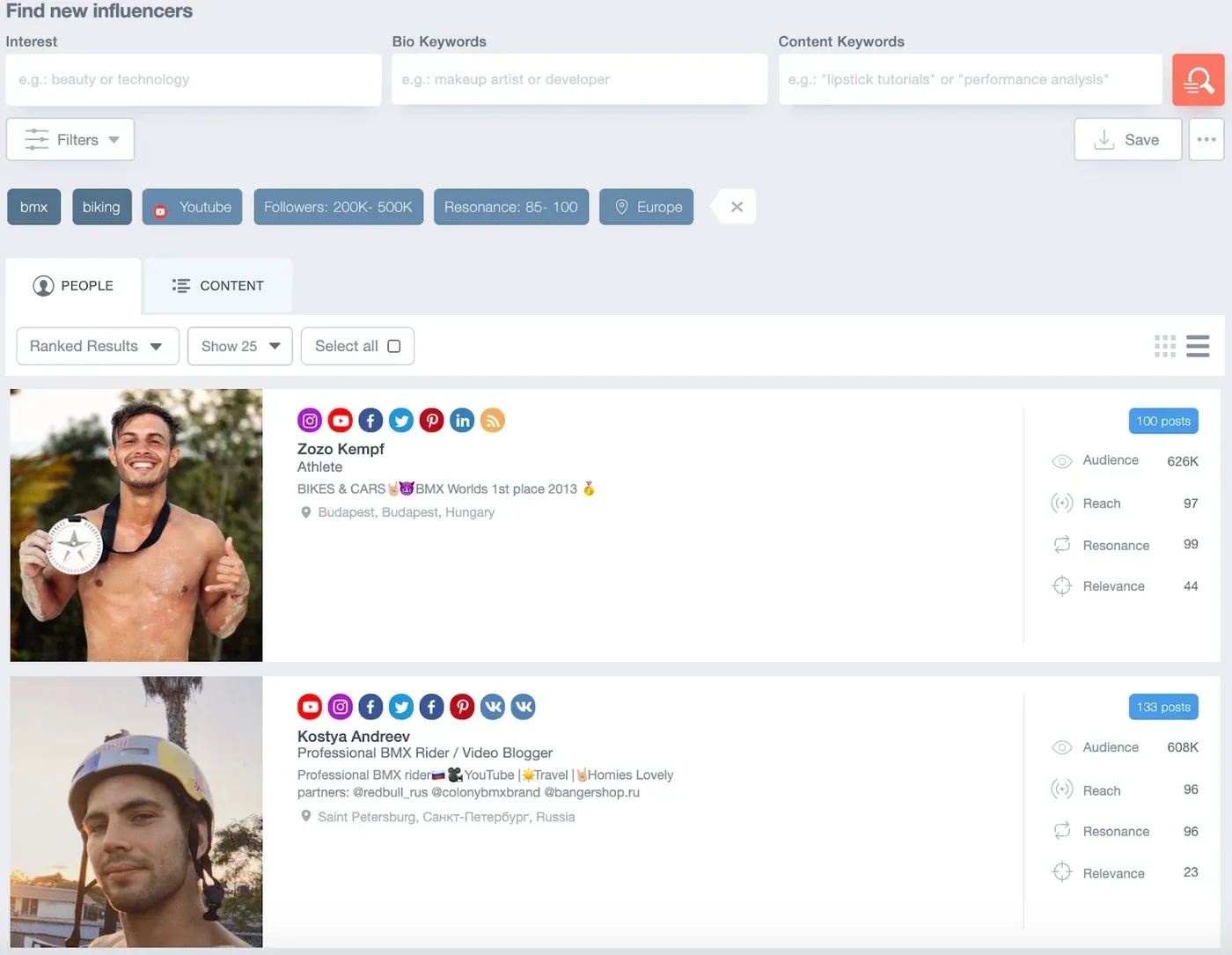
Traackr’s archival influencer search interface, from its passion-point search walkthrough. Source: Traackr.
Traackr is a mature enterprise platform for global influencer programs, covering benchmarking, relationships, campaigns and payments. Enterprise team, budget and program controls are a central strength, discovery connects to relationship history and market benchmarking, and the platform is established with global consumer brands, especially in beauty and other large multi-market programs.
Key features
- Discovery connects creator relationships with market benchmarking.
- Budget, campaign and team controls support programs across markets.
Worth noting: Choose a market, period and peer set before reviewing a benchmark. Also request a current interface demo; the search image here is archival.
Pricing and access: Traackr’s pricing page directs buyers to a specialist for packages. Request pricing.
Read the full comparison: Streamforge vs Traackr.
11. Captiv8
Best for: enterprises that want services and social listening with the software.
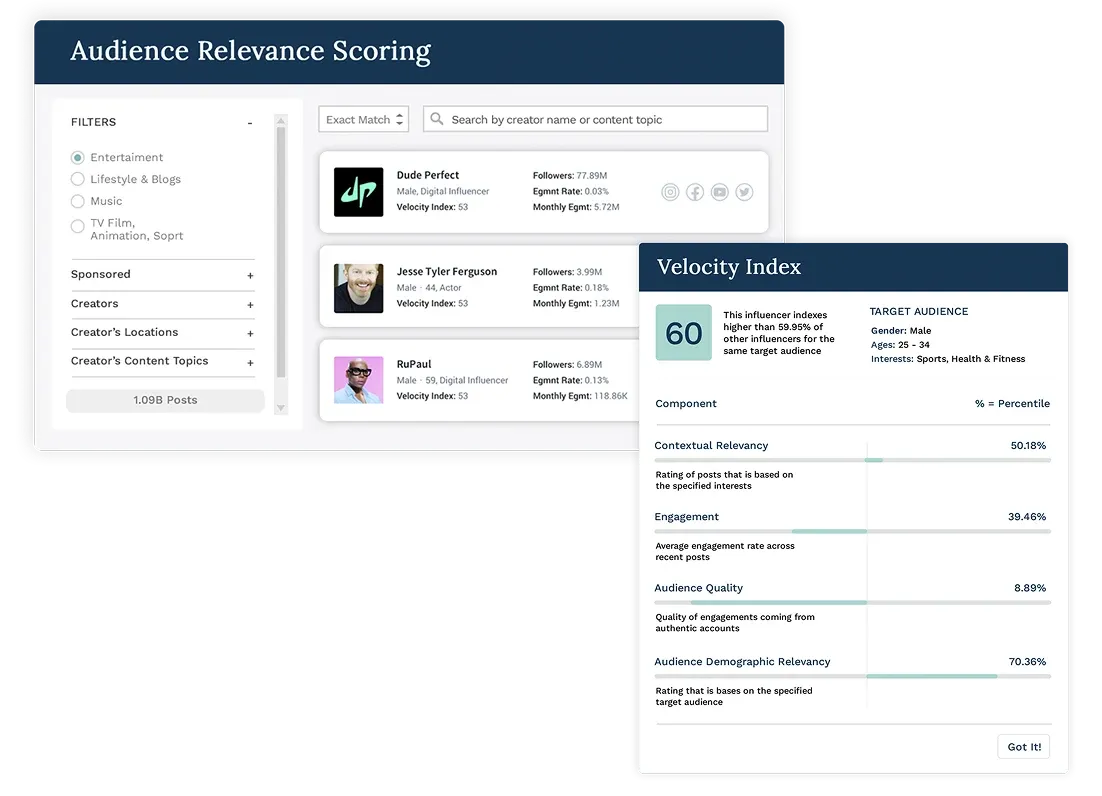
Captiv8’s audience relevance and creator analysis product image. Source: Captiv8.
Captiv8 combines creator discovery, social listening, campaign operations, payments and enterprise services. It brings a large creator network with search filters and recommendations, enterprise team workflows, and managed-service support for brands that want people as well as a platform. Social listening and campaign analysis supply its view of the brand and the program.
Key features
- Creator search and social listening support sourcing and planning.
- Campaign operations and managed services support enterprise execution.
Worth noting: Separate the software scope from managed services in the proposal, including who will source creators, run the campaign and prepare the report.
Pricing and access: Contact Captiv8 to scope software and any managed services separately.
Read the full comparison: Streamforge vs Captiv8.
12. Kolsquare
Best for: brands and agencies whose program is centered on Europe.
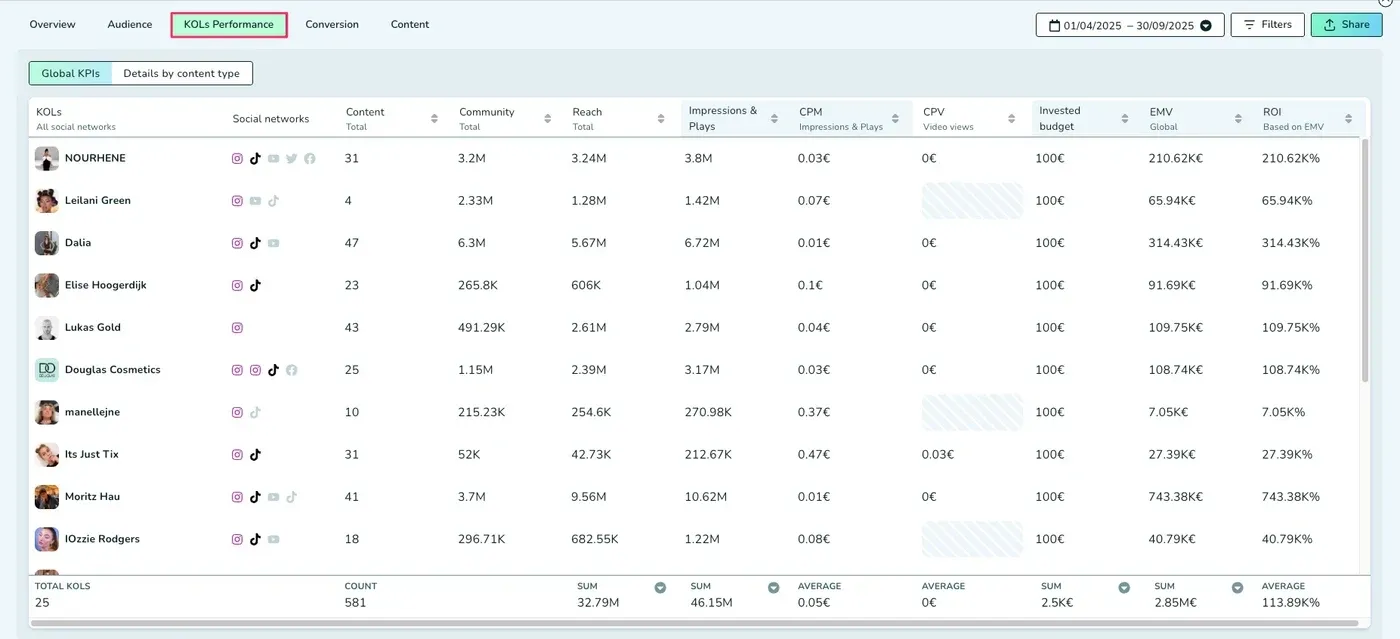
Kolsquare’s creator-performance table in a campaign report. Source: Kolsquare.
Kolsquare combines creator discovery, social listening, relationship workflows, campaign tracking and reporting, with a strong European footprint across consumer brands, agencies and multi-market programs. Discovery runs on filters, lists, labels and keywords over a broad European network, and social listening covers brand mentions and competitor keywords.
Key features
- Keyword search and creator lists support Europe-centered recruitment.
- Brand listening, content detection and campaign reports track the program.
Worth noting: Test coverage in the countries and languages your campaign needs. A strong regional fit matters more than a global headline count.
Pricing and access: Compare Kolsquare packages and request the configuration for your team.
Read the full comparison: Streamforge vs Kolsquare.
13. Sprout Social Influencer Marketing
Best for: social teams already working in Sprout Social.
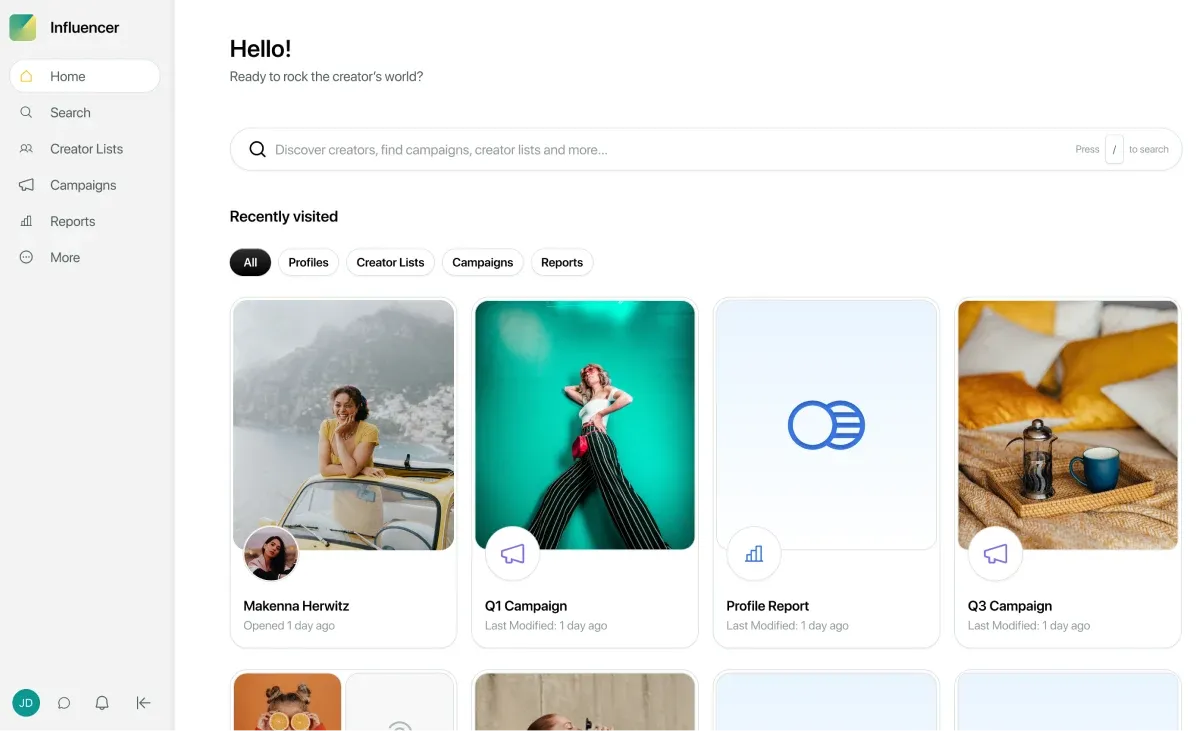
The Sprout Social Influencer Marketing dashboard. Source: Sprout Social.
Sprout Social Influencer Marketing brings discovery and campaign work into the broader Sprout ecosystem. It offers a global creator library with research filters, then briefs, content review, performance and campaign management in one suite, and its reporting connects influencer work to the wider social program. Governance and integrations benefit from the Sprout environment the team already uses.
Key features
- A creator library and audience research support campaign planning.
- Briefs, content review and reporting connect influencer work to the social team.
Worth noting: Confirm the influencer product’s pricing and integration scope separately from your existing social-management subscription.
Pricing and access: Request influencer-product pricing; do not substitute the price of Sprout’s social-management plans.
Read the full comparison: Streamforge vs Sprout Social Influencer Marketing.
14. Later Influence
Best for: consumer brands that want managed sourcing and campaign support.
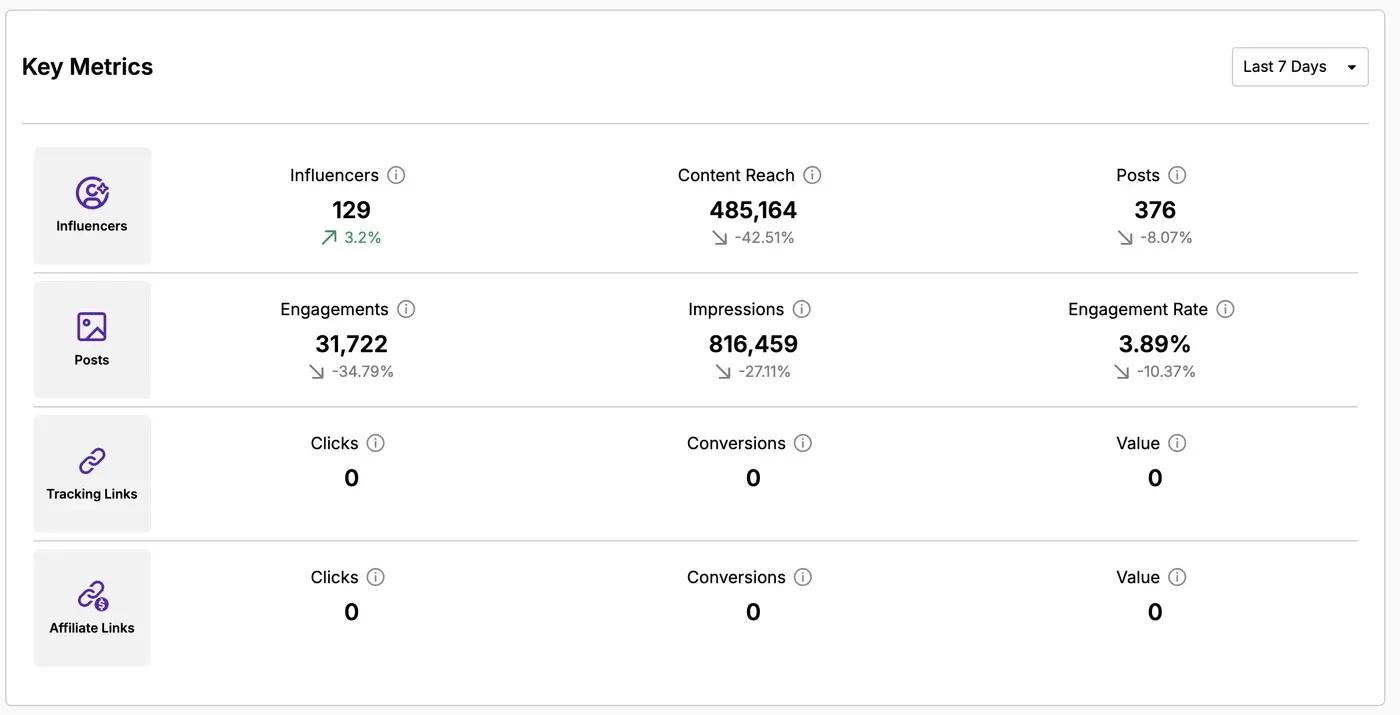
Later Influence’s campaign dashboard, from its reporting guide. Source: Later.
Later Influence combines a creator network, campaign software, payments and managed services. Sourcing requests and managed recommendations support recruitment, and structured workflows run from sourcing through content, communication, reporting and payments. It fits consumer brands running influencer, UGC and ambassador programs that want someone else to do part of the work.
Key features
- Search, sourcing requests and managed recommendations support recruitment.
- Campaign workflows cover content, communication, reporting and payments.
Worth noting: Clarify which work your team performs in the software and which work Later delivers as a service, with separate deliverables and costs.
Pricing and access: Contact Later to confirm the software, service scope and campaign budget.
Read the full comparison: Streamforge vs Later Influence.
How to test a shortlist
A list like this one should get you to two or three names. After that, stop reading and run a test, because every vendor demos well on its own data.
Give each vendor the same live campaign brief: the same audience, market, exclusions, deliverables and budget. Then compare the rosters that come back on quality rather than count. Audience fit, niche relevance, creator risk and credible rising creators matter more than how many results a search returned. Ask where the audience insights come from, since a profile built from a creator’s actual content and comments and a profile built from modeled estimates can look identical on screen. If competitive context matters to you, ask to see creator overlap with a named rival, sponsor history and how the category has moved.
Last, get implementation timelines, exports, API access, support, contract terms and renewal details in writing, and ask both vendors the same questions. The comparison hub has the one-to-one version of this test for every platform above, and if you would rather see the manual alternative before buying anything, the guide below walks through finding creators without a platform at all.
Frequently asked questions
Which influencer marketing platform is best for a small team?
Start with the job you need to finish every week. Modash suits a lean discovery-to-campaign workflow; Influencity offers modular tooling. Include Streamforge when audience fit and competitor context are central to creator selection. Run the same brief through your finalists.
What should an influencer platform budget include?
Include subscriptions, onboarding, usage allowances, integrations and managed services, plus creator fees and campaign costs. Ask about exports, payments and renewal terms before comparing headline prices.
See your shortlist in Streamforge
Bring a real campaign brief and a competitor you want to understand. We’ll walk through creator selection, audience fit and the market context behind the decision.