

The right influencer data API depends on what you are building. A discovery product needs searchable creator data. A creator-facing app may need connected-account analytics. A monitoring tool may only need public posts and statistics.
This guide compares 14 options by data source, useful endpoints and access model. Streamforge supplies creator and audience intelligence across five platforms; the alternatives include consent-based data, streaming history, enterprise integrations and scraping APIs. Test field completeness and the cost of a real workflow before choosing.
Disclosure: Streamforge publishes this guide and is included below. Comparisons draw on publicly available product information; we haven’t tested these tools side by side.
Compare the options
Compare by use case first. Published prices below are in USD, checked September 22, 2026, with billing terms and usage charges noted.
| Platform | Best fit | Pricing or access |
|---|---|---|
| Streamforge | Audience demographics on creators who never connected an account, across five platforms including Twitch and X | Discuss your requirements |
| Modash | Instagram, TikTok and YouTube products that want search and raw data from one vendor | Separate API plans |
| HypeAuditor | Adding audience-quality and fraud reports to your own product | Request pricing |
| influencers.club | Outreach tools that need verified contact emails | Published API plans |
| CreatorDB | Sponsorship history on YouTube, Instagram and TikTok | Pro $79/month; pay-as-you-go option |
| Streams Charts | Live-streaming analytics beyond Twitch and YouTube | Published API packages |
| Social Blade | Long-run follower and view history at low cost | Published credit packages |
| Phyllo | Products where the creator is your user and can connect their own accounts | Request pricing |
| CreatorIQ | Moving your own program data out of CreatorIQ and into a warehouse | CreatorIQ subscription required |
| Upfluence | Upfluence customers who want search and lists in their own tools or assistant | Credit-metered API access |
| ScrapeCreators | Raw public posts, comments and transcripts across many networks | Pay-as-you-go credits |
| EnsembleData | High-volume, real-time pulls from TikTok and Instagram | From $100/month; free trial |
| Apify | Teams that want to pick and run individual scrapers themselves | Free; Starter $19/month plus usage |
| YouTube, Twitch, TikTok, Instagram and X | Data about accounts you own, and a baseline for everything else | Network-specific quotas and charges |
Follow a platform name to its review, or a pricing link for current terms.
1. Streamforge
Best for: audience demographics on creators who never connected an account, across five platforms including Twitch and X.
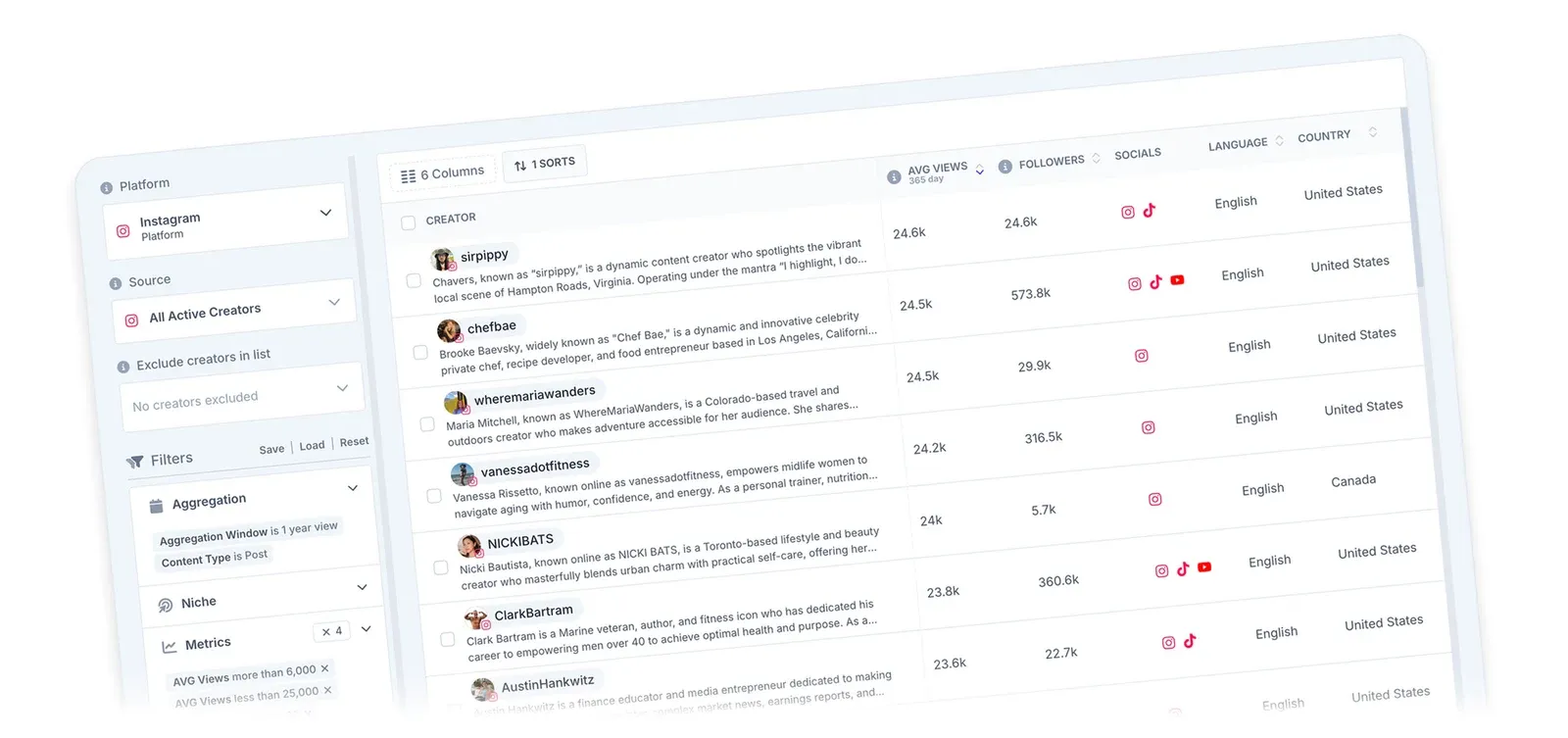
Discovery in Streamforge’s own dashboard, which runs on the same creator data the API serves.
The Streamforge API is the data layer behind Streamforge’s own products. One integration covers five platforms, which its documentation lists as Twitch, YouTube, TikTok, Instagram and X, over a database of 48M creators. It returns creator profiles, a full content library of videos, streams and posts with engagement stats, view counts and watch time at the latest available reading, audience analysis, and AI creator analysis.
Two things set the data apart. The first is audience demographics without the creator’s involvement. Streamforge’s audience analysis is AI-based and does not require the creator to authenticate through OAuth. The model was trained on first-party audience data, and in Streamforge’s tests its results are extremely close to the platforms’ direct metrics. Audience analysis is supported across YouTube, Twitch, TikTok, Instagram, and X. The second is games: Streamforge uses IGDB as its source of truth for game and genre metadata, then applies proprietary techniques to connect that taxonomy to creators and content across social platforms.
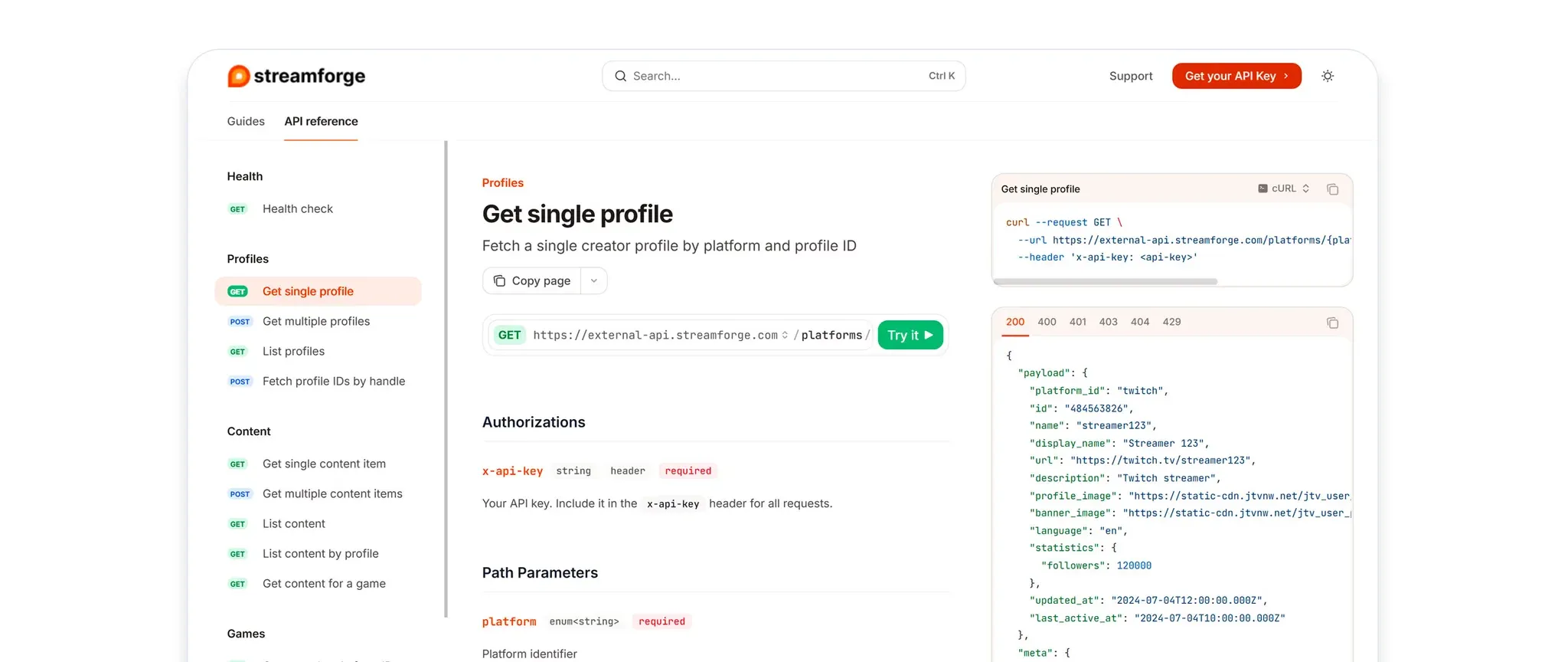
Streamforge’s public API reference shows the request and response for a creator profile. Source: Streamforge documentation.
The documentation is public, with an interactive playground, bulk endpoints and cursors. Freshness depends on the source, platform, creator, and field, so records carry timestamps to read rather than a promised cadence. Keys are issued by the team, and support comes from the engineers who built the API.
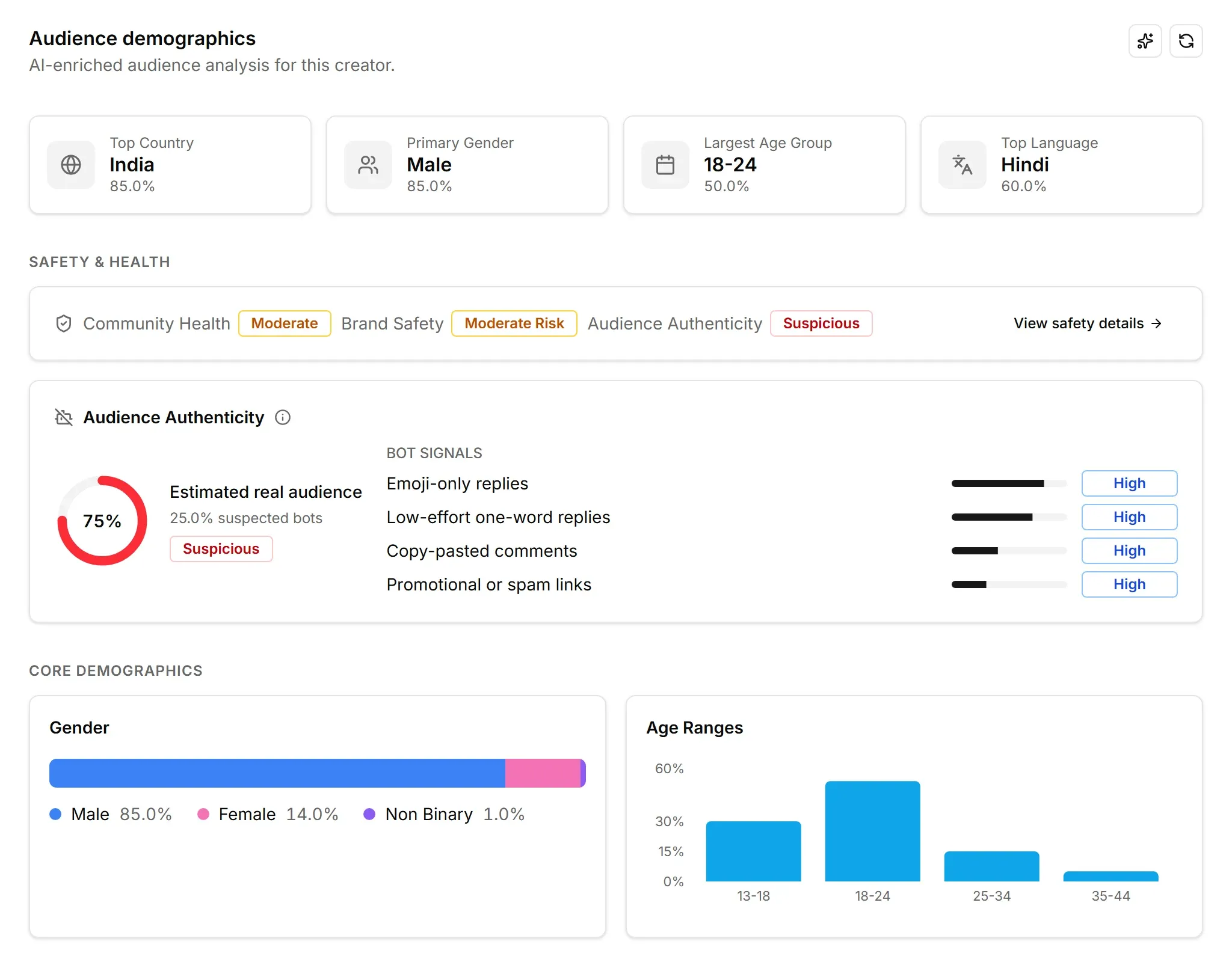
Streamforge’s Audience tab puts demographics beside authenticity signals, so a reviewer can inspect the evidence behind the rating.
Key features
- One integration covers Twitch, YouTube, TikTok, Instagram and X.
- Batch endpoints and cursor pagination support profile, content and game-data integrations.
Worth noting: Field completeness and refresh timing vary by source, platform, creator and field. Test the endpoints your product needs; do not assume every optional audience field is available on every profile.
Pricing and access: Talk to Streamforge about the workflow, platforms and data access you need.
2. Modash
Best for: Instagram, TikTok and YouTube products that want search and raw data from one vendor.
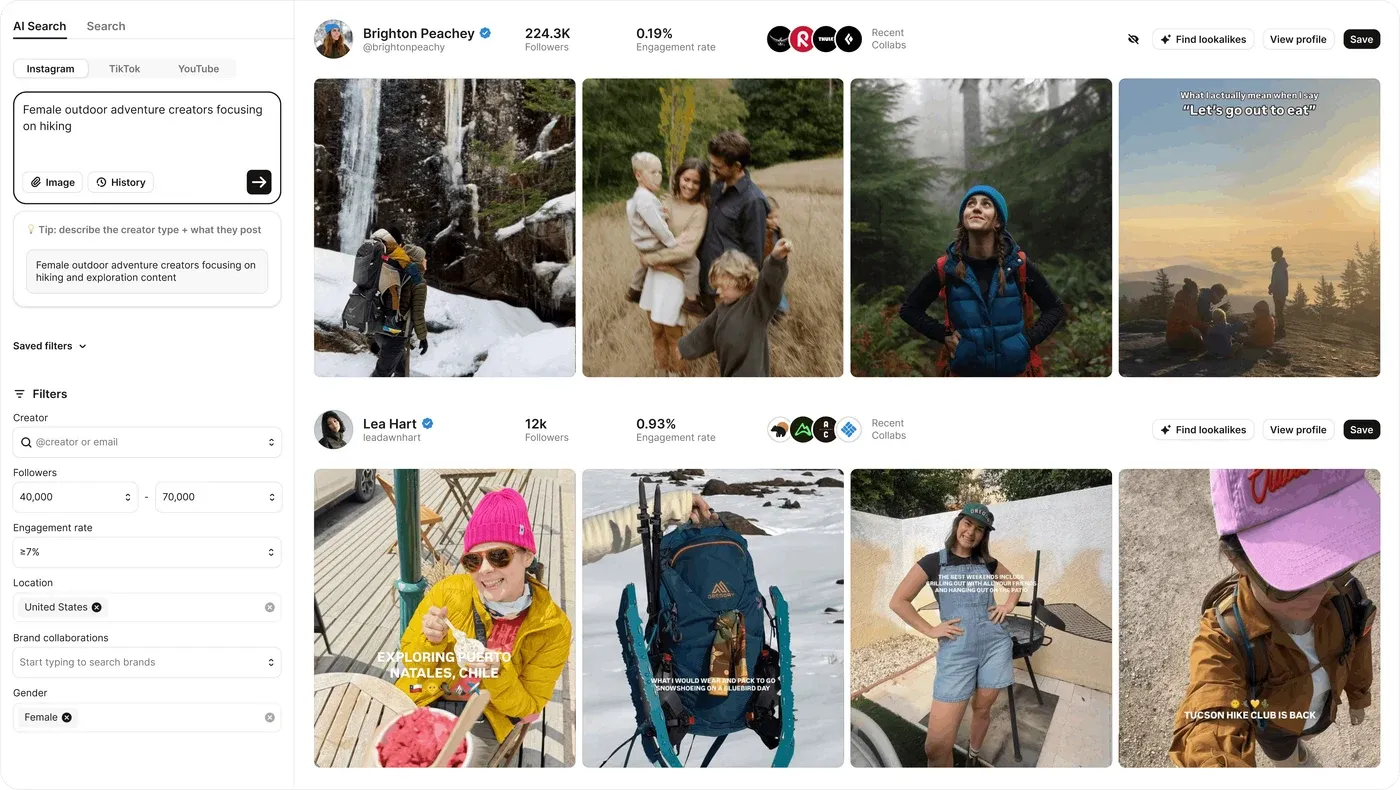
Modash’s AI Search and creator results. Source: Modash.
Modash sells two APIs. The Discovery API serves analyzed, aggregated data for finding and vetting creators, including search, AI search, profile and audience reports and lookalikes. The Raw API serves fresh, unfiltered data on demand: posts, feeds, comments and follower information. Both cover Instagram, TikTok and YouTube. Documentation is public, with an OpenAPI spec, and Modash publishes its API prices.
Key features
- Discovery API covers search, audience reports and lookalikes.
- Raw API returns on-demand profile, post, comment and follower data.
Worth noting: Check the profile-opening, email and tracked-creator allowances against a normal month of work. These limits can matter more than the seat count.
Pricing and access: Review Modash’s API offering and request the Discovery or Raw API plan for your workload. Platform subscription prices are separate.
Read the full comparison: Streamforge vs Modash.
3. HypeAuditor
Best for: adding audience-quality and fraud reports to your own product.
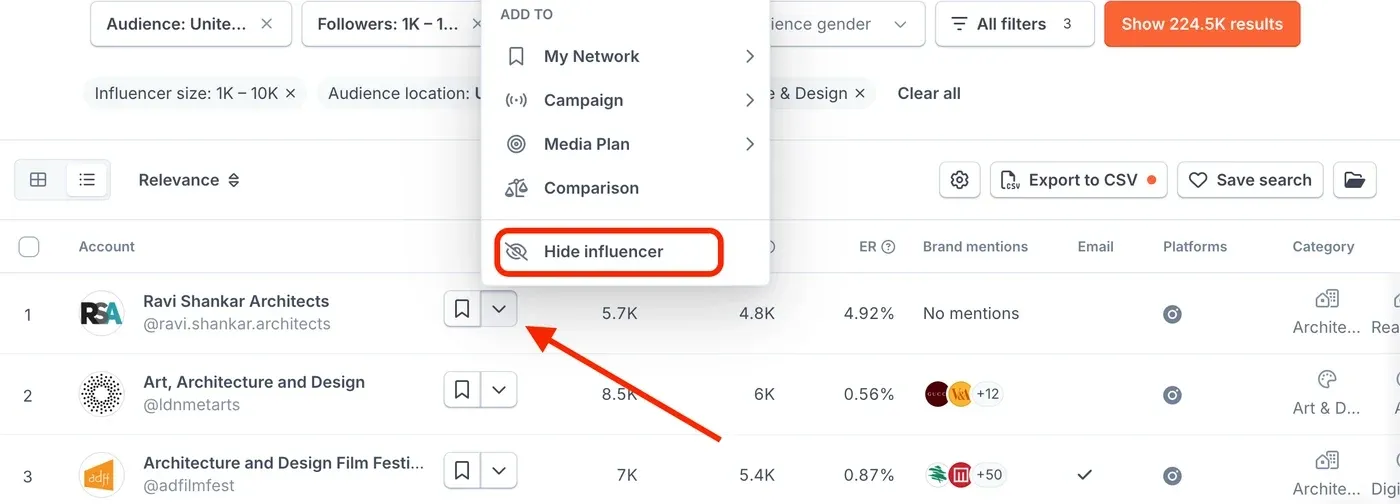
HypeAuditor’s discovery interface, annotated in its help guide. Source: HypeAuditor.
HypeAuditor’s API exposes the reports the company is known for: influencer reports covering profile, audience, content and value, plus discovery with filters and campaign management. Its public documentation has report endpoints for Instagram, YouTube, TikTok, Twitch, X and Snapchat. Access is credit-based, and keys and prices come from its sales team.
Key features
- Report endpoints expose profile, audience, content and value analysis.
- Discovery and campaign endpoints extend the reporting use case.
Worth noting: Ask to see the evidence behind an audience-quality score and the report allowance on your plan. A score should support a review, not replace it.
Pricing and access: Request HypeAuditor pricing for your discovery, report and campaign requirements.
Read the full comparison: Streamforge vs HypeAuditor.
4. influencers.club
Best for: outreach tools that need verified contact emails.
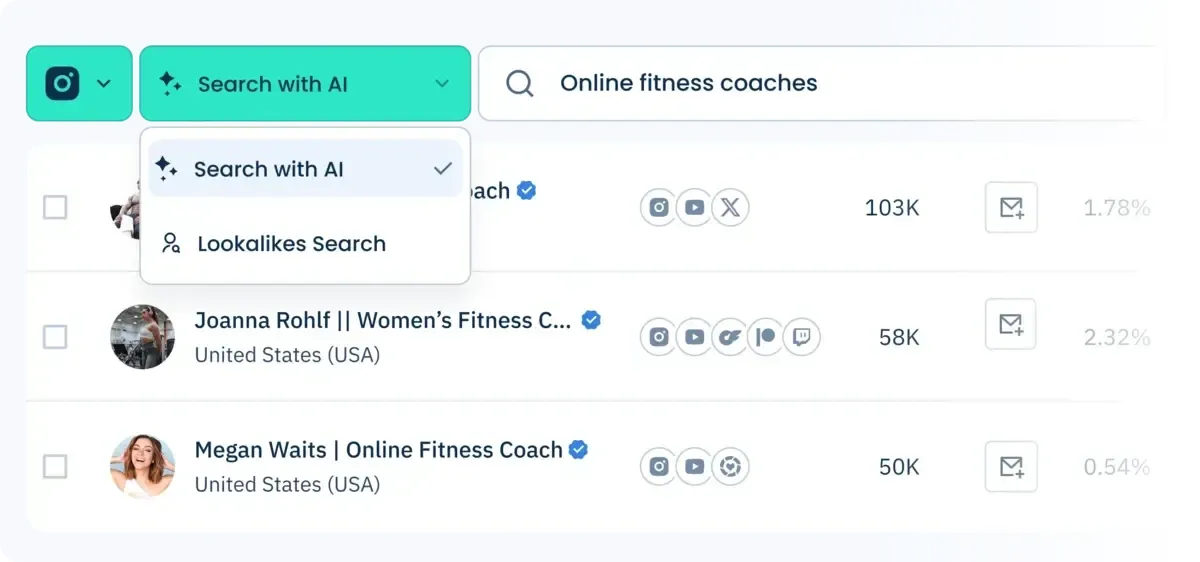
The influencers.club creator discovery interface. Source: influencers.club.
The influencers.club API is built around enrichment: a handle or an email goes in, and a profile with contact details comes out, alongside discovery with filters, plain-English search and audience analytics. It lists full data for Instagram, TikTok, YouTube, X, Twitch and OnlyFans. Documentation is public with an OpenAPI spec and a dated changelog, prices are published, and there is an MCP server for Claude, Cursor and other compatible clients.
Key features
- Enrich a handle or email with creator profile and contact information.
- Discovery, audience analytics and an MCP server support broader integrations.
Worth noting: Test contact coverage and match quality on your own sample. An enrichment endpoint is only useful if it resolves the creators your product needs.
Pricing and access: Review influencers.club API pricing against your discovery and enrichment workload.
5. CreatorDB
Best for: sponsorship history on YouTube, Instagram and TikTok.
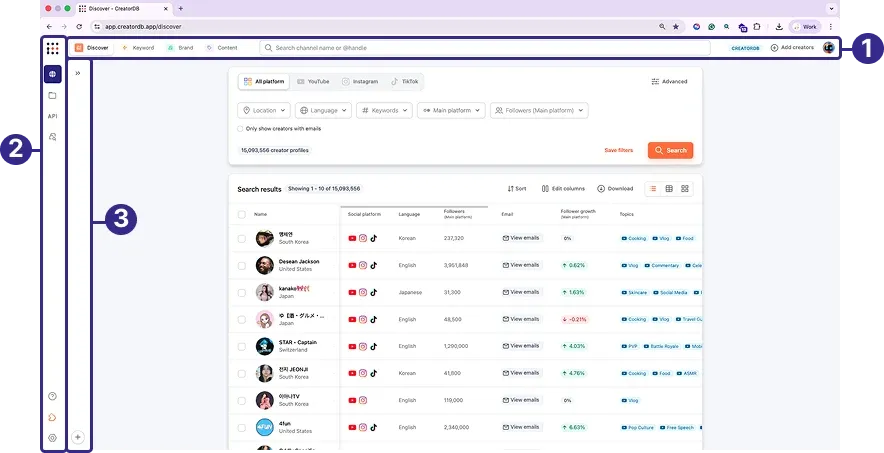
CreatorDB’s discovery dashboard, annotated in its user guide. Source: CreatorDB.
CreatorDB’s API covers YouTube, Instagram and TikTok, and adds sponsorship history, growth history and natural-language search to the usual profile, audience and engagement data. Documentation is public, and it publishes self-serve prices including pay-as-you-go.
Key features
- Profile and audience endpoints cover YouTube, Instagram and TikTok.
- Sponsorship history, growth history and natural-language search add context.
Worth noting: Model the complete sequence of calls, including audience reports and contact fields. Different endpoints consume different numbers of credits.
Pricing and access: Pro is $79/month with 3,160 credits. The free subscription uses purchased credits, with a $20 minimum top-up. CreatorDB pricing.
6. Streams Charts
Best for: live-streaming analytics beyond Twitch and YouTube.
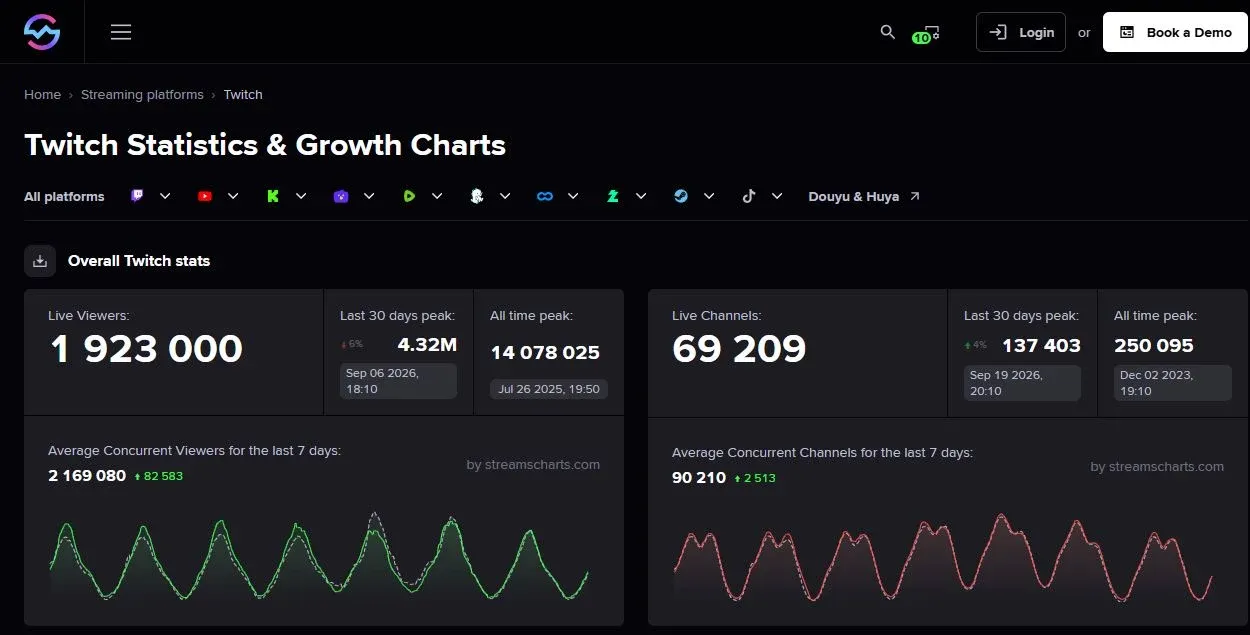
Streams Charts’ public Twitch analytics dashboard, captured September 22, 2026. Source: Streams Charts.
The Streams Charts API is a REST API for live-streaming analytics in one schema across nine platforms: Twitch, Kick, YouTube, Rumble, NimoTV, Bigo LIVE, SOOP Korea, CHZZK and SteamTV. It returns channel statistics, per-stream performance, subscribers, chat and audience data. Documentation and prices are public.
Key features
- A common REST schema covers multiple live-streaming platforms.
- Channel, per-stream, subscriber and chat data support streaming analytics.
Worth noting: Confirm historical depth and endpoint coverage for each required network. A shared schema does not guarantee identical data on every platform.
Pricing and access: Review Streams Charts API packages for the platforms, endpoints and history you need.
7. Social Blade
Best for: long-run follower and view history at low cost.
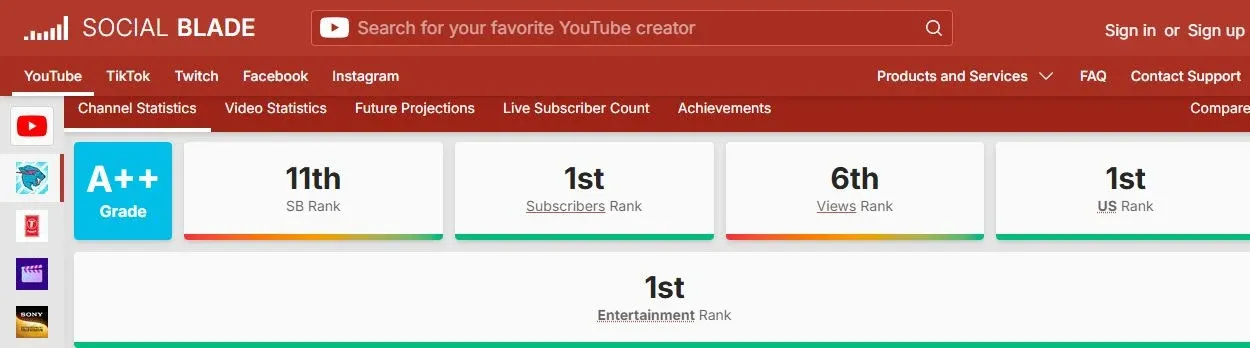
Social Blade’s public MrBeast channel dashboard, captured September 22, 2026. Source: Social Blade.
Social Blade’s Business API exposes the public statistics, top lists and rankings from its website for YouTube, TikTok, Twitch, Facebook and Instagram, with daily history going back years. The company is explicit that it offers public statistical data only, so there are no audience demographics, emails or discovery filters. It sells credits at published prices.
Key features
- Public follower and view history supports trend tracking.
- Top lists and rankings provide context across supported social platforms.
Worth noting: This is public statistical history, not an audience-demographics or contact database. It will not replace a discovery API.
Pricing and access: Find the Business API through Social Blade and size its credit package for your historical-statistics workload.
8. Phyllo
Best for: products where the creator is your user and can connect their own accounts.
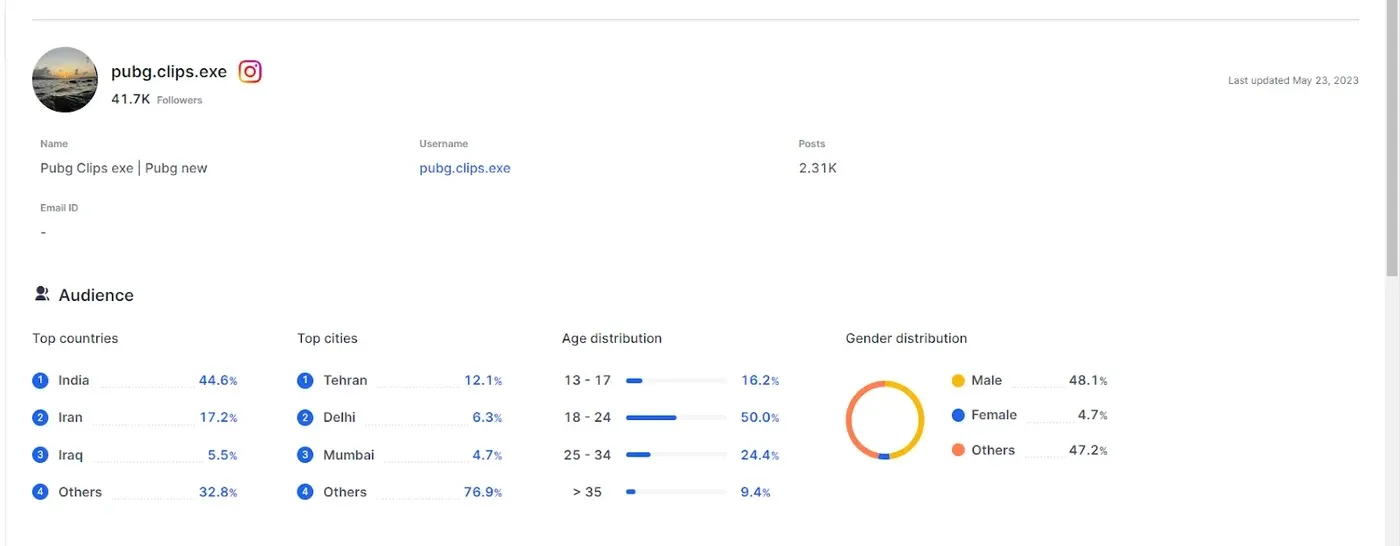
Phyllo’s Linkage creator analytics interface, from its help guide. Source: Phyllo.
Phyllo is the clearest example of the consent model. Creators sign in through the platform’s official flow and approve what is shared, and the product receives first-party data: real audience demographics, private performance metrics and income. Phyllo also sells public data that needs no account connection, including creator search and profile analytics, and names Instagram, YouTube, TikTok, X, LinkedIn, Twitch, Reddit, Snapchat and Facebook among its platforms. Pricing is by quote.
Consent data is first-party, which makes it the reference point for accuracy, and it exists only for creators who connect. It fits a creator-facing product such as a media kit, a marketplace or a payments tool. It does not fit discovery, where the point is to evaluate creators who have never heard of you. That is the gap a modeled technique such as Streamforge’s is built to close: trained on first-party data, then applied to creators who never signed in.
Key features
- Connected-account data provides analytics that creators authorize sharing.
- Separate public-data products cover creator search and profile analysis.
Worth noting: Connected-account analytics require creator participation. Evaluate the separate public-data offering if your use case is discovery before outreach.
Pricing and access: Request Phyllo pricing for the connected-account or public-data products you need.
9. CreatorIQ
Best for: moving your own program data out of CreatorIQ and into a warehouse.
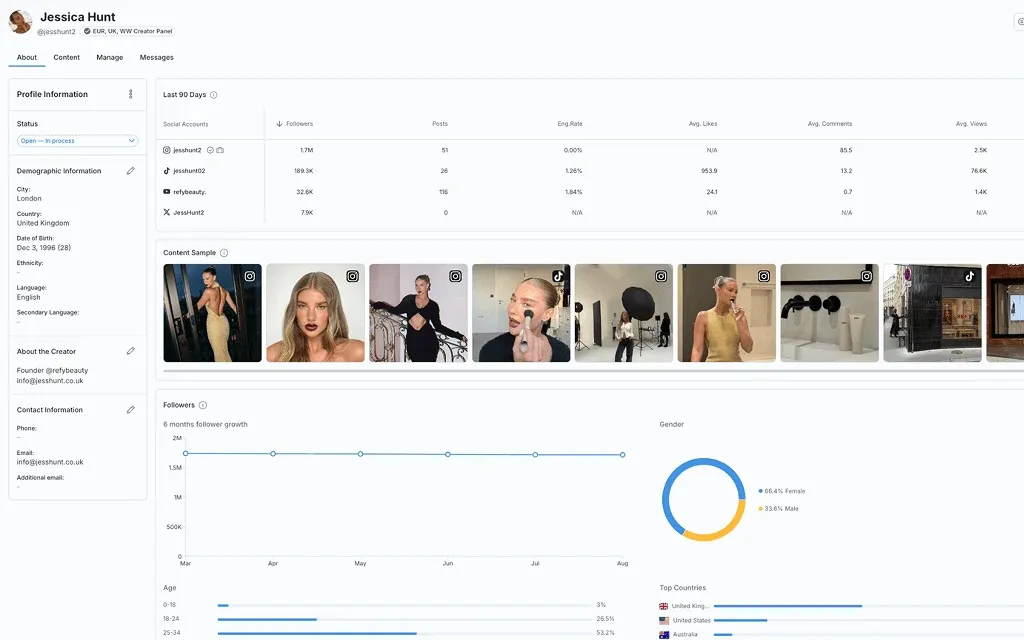
CreatorIQ’s creator management interface. Source: CreatorIQ.
CreatorIQ’s API is bidirectional and built to connect a customer’s creator program to BI and enterprise systems: creators in your CRM, post and account metrics, campaign and attribution data. It requires a CreatorIQ subscription and is not an open discovery feed.
Key features
- A bidirectional API connects an existing creator program to enterprise systems.
- CRM, campaign, post and attribution data support warehouse and BI integrations.
Worth noting: Ask for your real approval chain, brand structure and export requirements in the demo. Enterprise governance only helps if it matches your organization.
Pricing and access: A CreatorIQ subscription is required. Confirm API access and pricing for your integration.
Read the full comparison: Streamforge vs CreatorIQ.
10. Upfluence
Best for: Upfluence customers who want search and lists in their own tools or assistant.
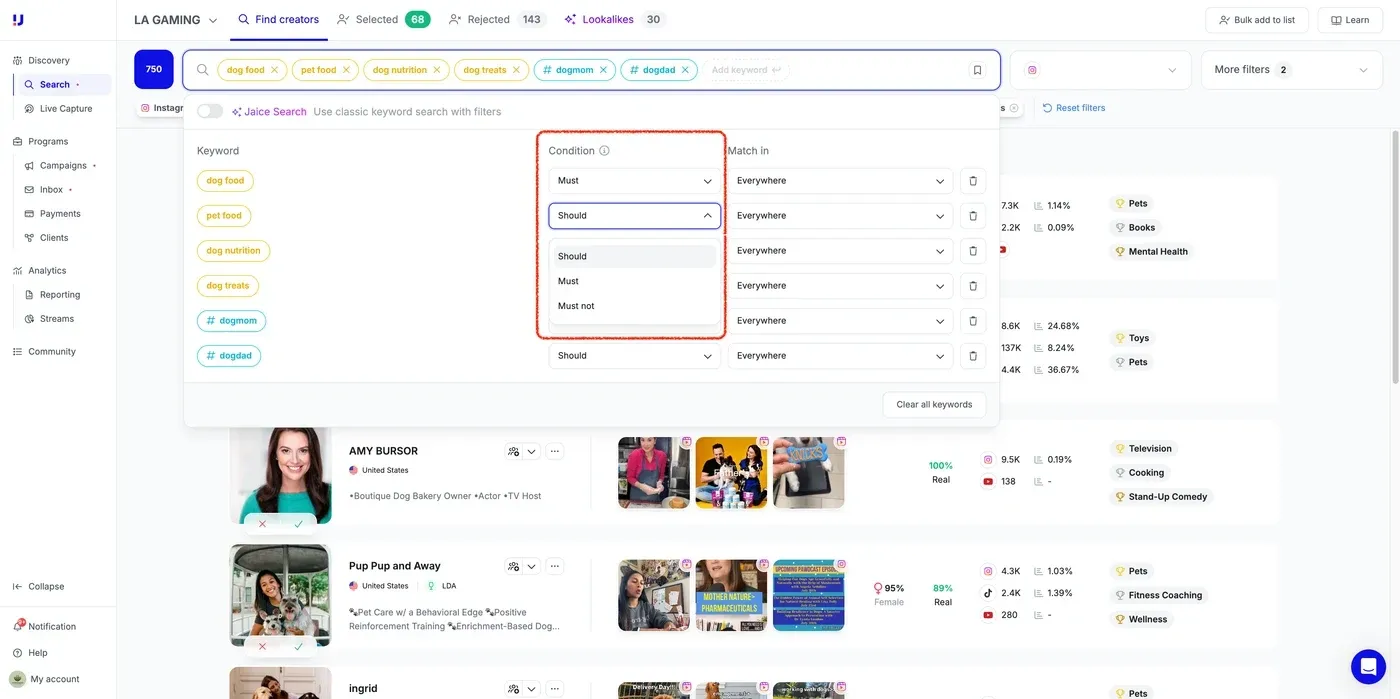
Upfluence’s Search app, shown in its creator-search guide. Source: Upfluence.
Upfluence documents a public API to search creators, pull audience and content insights and manage lists, metered in credits, and an MCP server that its page describes as in beta with access on request.
Key features
- Search and insight endpoints expose creator, audience and content data.
- List management and a separately described MCP beta support existing workflows.
Worth noting: Its commerce workflows are most relevant when you can connect a store. For a non-commerce campaign, demo the reporting you will actually use.
Pricing and access: Confirm Upfluence API access and credit allowances separately from campaign software and MCP beta access.
Read the full comparison: Streamforge vs Upfluence.
11. ScrapeCreators
Best for: raw public posts, comments and transcripts across many networks.
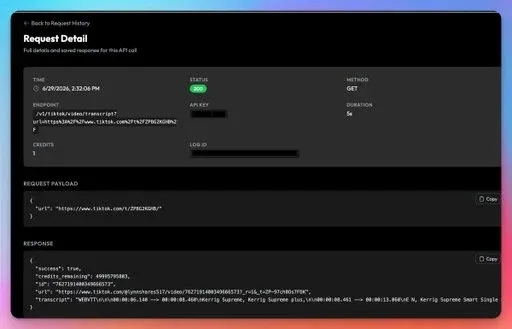
ScrapeCreators’ request-history interface, shown in the vendor’s feature announcement. Source: ScrapeCreators.
ScrapeCreators offers scraping endpoints across a long list of networks including TikTok, Instagram, YouTube, X, LinkedIn, Reddit, Twitch and Kick. Documentation is public with an OpenAPI spec, and it publishes pay-as-you-go prices with a free tier.
Key features
- Public-data endpoints cover posts, comments, profiles and transcripts.
- An OpenAPI specification supports implementation against documented endpoints.
Worth noting: Check cache behavior and endpoint costs for your workload. Raw public data still needs your own normalization and interpretation.
Pricing and access: ScrapeCreators sells credits without a subscription. Check the current cost and cache rules for your endpoints.
12. EnsembleData
Best for: high-volume, real-time pulls from TikTok and Instagram.
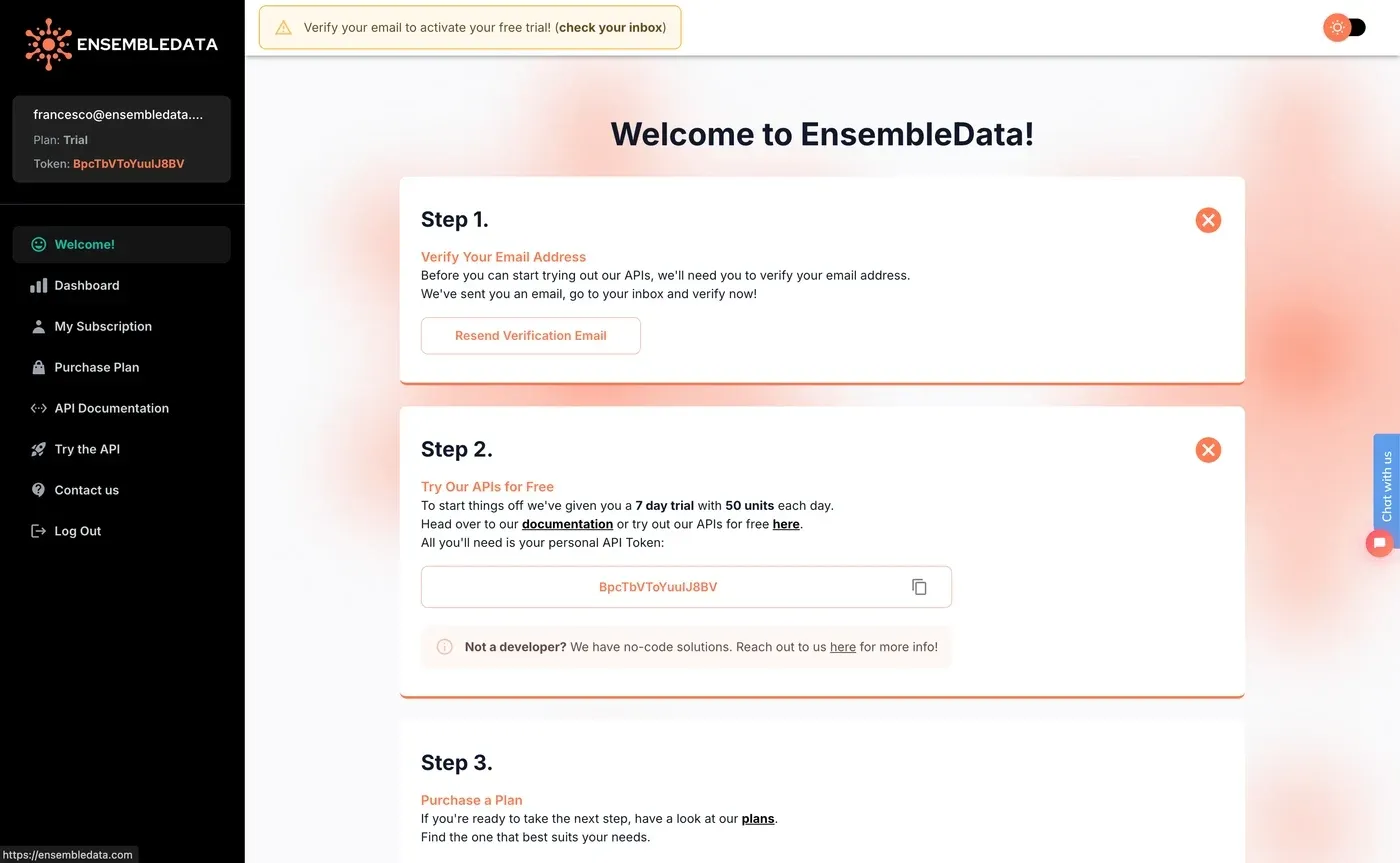
EnsembleData’s account dashboard, from its 2024 API tutorial; the token shown is a demo placeholder. Source: EnsembleData.
EnsembleData sells real-time scraping APIs for posts, profiles, comments and hashtags across TikTok, Instagram, YouTube, Threads, Reddit, Twitch, X and Snapchat, with narrower coverage on some of those. Documentation, an OpenAPI spec and unit-based prices are public.
Key features
- Endpoints retrieve public profiles, posts, comments and hashtags.
- Unit-based metering lets teams price a specific collection workflow.
Worth noting: Price units rather than requests: endpoints have different costs. Confirm how much data a paginated collection job consumes.
Pricing and access: Wood is $100/month for 1,500 units/day; a trial offers 50 units/day. Endpoint costs vary. EnsembleData pricing.
13. Apify
Best for: teams that want to pick and run individual scrapers themselves.
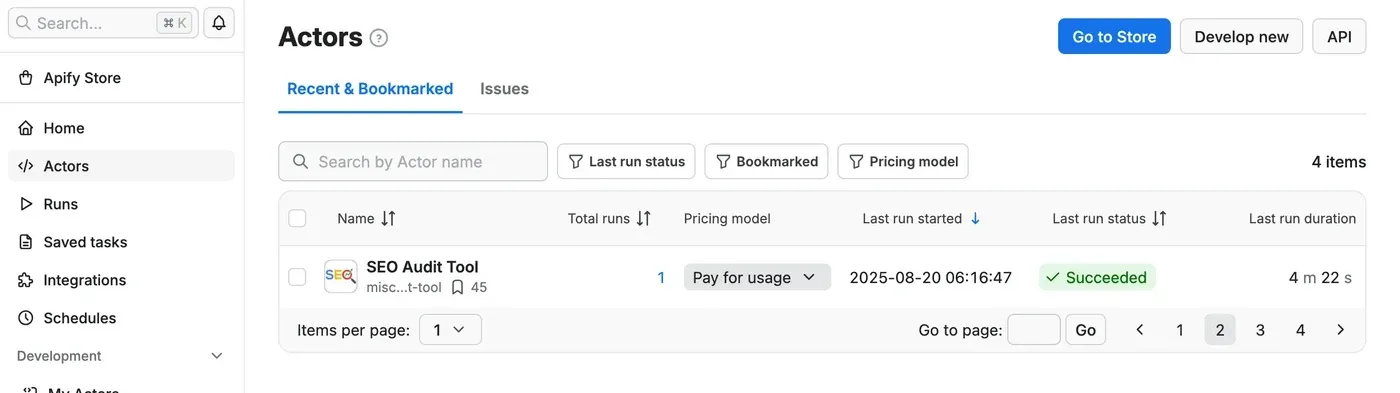
Apify Console’s Actors dashboard, from its getting-started guide. Source: Apify.
Apify is a marketplace of scrapers, which it calls Actors, including its own for Instagram and TikTok. Quality and pricing vary by Actor, and platform plans are public.
Key features
- Choose individual scraping Actors from a marketplace.
- Run and integrate those Actors through the Apify platform.
Worth noting: Evaluate the specific Actor’s maintenance, output schema and charges. A platform subscription does not make every scraper equally reliable or equally priced.
Pricing and access: Starter is $19/month plus pay-as-you-go usage; a free plan is available. Actor charges vary. Apify pricing.
14. YouTube, Twitch, TikTok, Instagram and X
Best for: data about accounts you own, and a baseline for everything else.
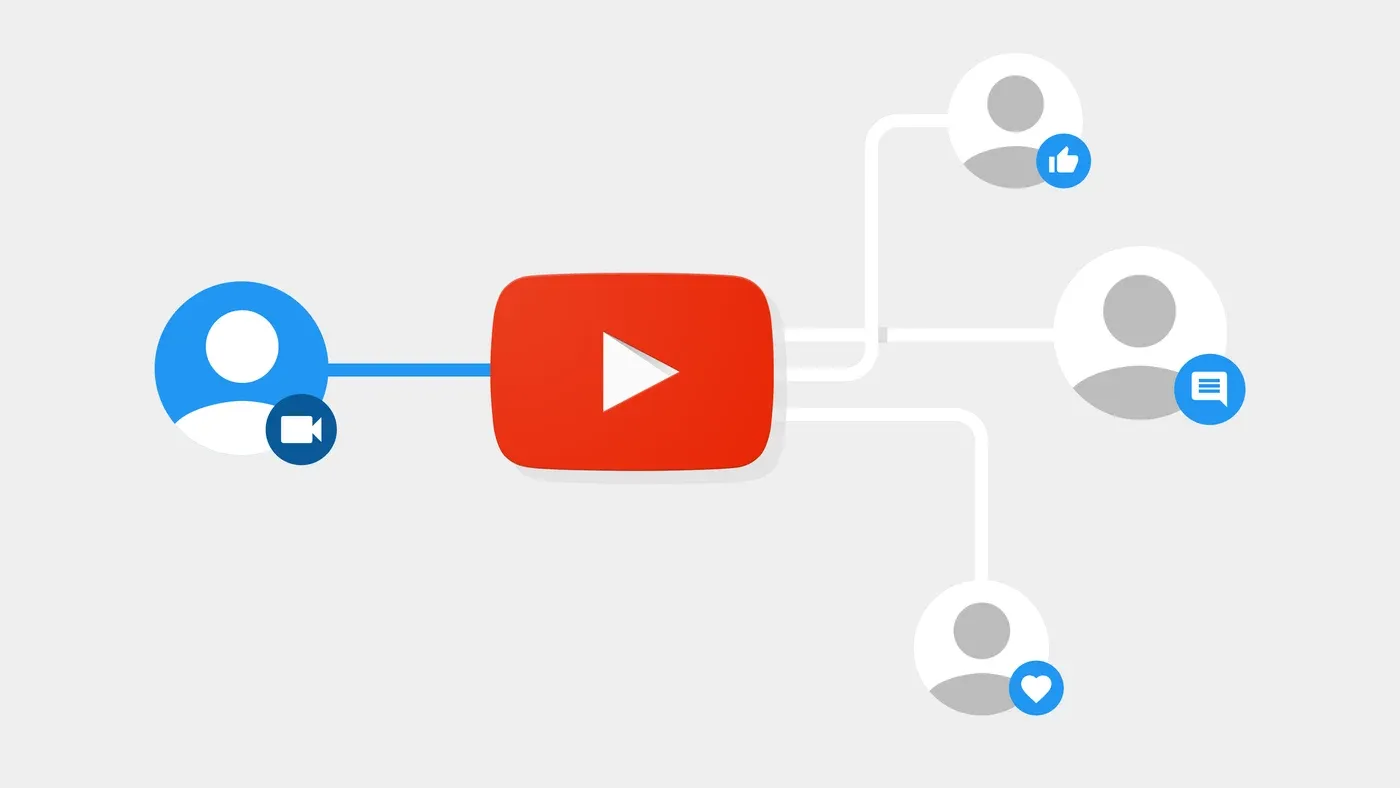
YouTube’s official Data API overview illustration, one example of the direct platform APIs in this group. Source: YouTube.
Building directly on the official APIs is always an option, and their limits explain why every product above exists. The YouTube Data API runs on a daily quota and gives no audience demographics for channels you do not own. Twitch’s API is open and rate-limited. TikTok’s Research API is limited to academic and not-for-profit researchers, and its Display API returns only an authorizing user’s own profile and videos. Instagram’s API serves professional accounts, and its business discovery feature returns counts and media metrics for other accounts, not their demographics. X charges per read. Each has its own identifiers, metrics and breaking changes, and none tells you who watches a creator you have not signed.
Key features
- Direct platform APIs expose the data and permissions each network allows.
- Account authorization, quotas and identifiers are handled separately for each network.
Worth noting: Budget for separate permissions, quotas and maintenance. Direct access to a platform does not provide arbitrary creators’ private audience analytics.
Pricing and access: Check each network’s developer documentation. Quotas, paid access and approval requirements are separate, starting with the YouTube Data API.
Choosing between them
Start from the product. If users will search for creators they do not know, you need a licensed database, and the shortlist is set by which platforms you must cover: Modash and CreatorDB cover Instagram, TikTok and YouTube, while Streamforge, HypeAuditor and influencers.club also list Twitch and X. If the creator is your user, look at consent. If you are watching a known set of accounts, a scraper or a statistics API is cheaper than either.
Then run a pilot on your own sample before signing. Resolve a few hundred real handles, pull profiles and content in bulk, request audience data for the ones you care about, and record field completeness per platform, latency, error rates and what it cost. Coverage usually differs by endpoint, ours included, so read the endpoint reference for each call your product makes. The guide on vetting creators with incomplete data covers what to do with the gaps you will find.
Frequently asked questions
Do influencer data APIs require creator consent?
It depends on the product. Connected-account APIs require creators to authorize access. Public-data and modeled-analysis products can evaluate creators who have not connected an account, but return different kinds of information. Check the source of each field.
How should I compare API prices?
Price a complete job: resolve handles, retrieve profiles, paginate content and request audience analysis. Count endpoint credits, retries, refreshes and exports, then test on your own sample. A cost per request is incomplete if one workflow needs many requests.
Test Streamforge data for your product
Bring your required platforms, endpoints and a sample of creator handles. We’ll help you evaluate the data and integration requirements.