
What is this and why am I doing it?
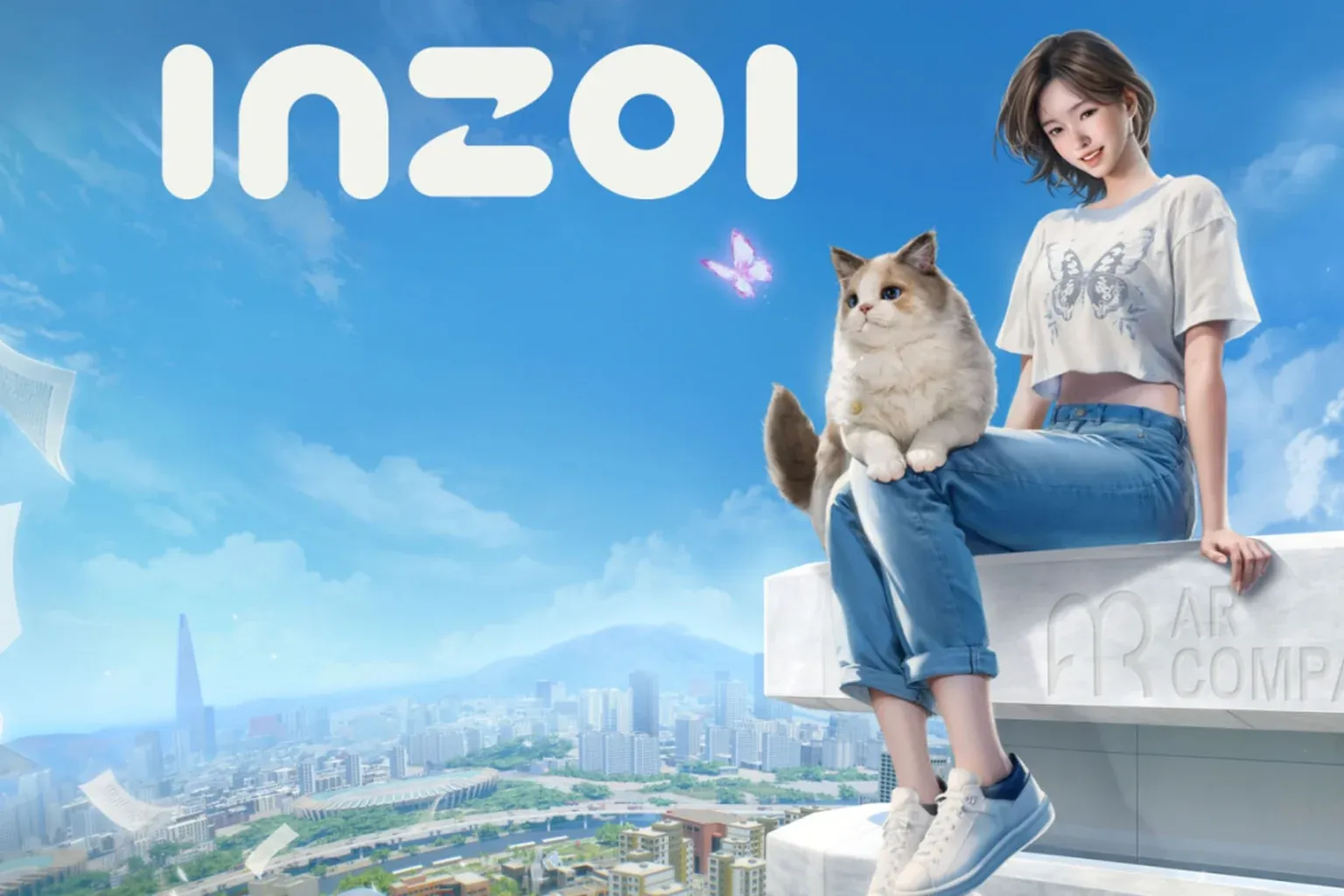
Welcome to my ongoing deep dives into influencer marketing for major game launches! Having analyzed popular releases like Kingdom Come Deliverance 2, Monster Hunter Wilds, and Split Fiction, today I’m breaking down Krafton’s long-awaited “inZOI,” released on March 20th.
These analyses leverage Streamforge’s tech to give marketers transparent, actionable insights into how leading publishers are allocating influencer budgets. My goal remains consistent: help industry professionals benchmark their campaigns and uncover strategies that work.
I’m not affiliated with Krafton, and all budget figures are estimates based on publicly available data and market rates from Streamforge’s algorithm.
A Chronological Overview
inZOI’s journey from announcement to launch spanned approximately 16 months, with a marketing strategy that built momentum through strategic trade show appearances and public demos:
- November 16-19, 2023 - First public reveal at G-STAR 2023 (South Korea’s largest game expo)
- April 30, 2024 - Development Roadmap video release featuring producer Hyungjun “Kjun” Kim
- May 28 - August 8, 2024 - “CONNECT x inZOI” Digital Fashion Contest in partnership with CLO Virtual Fashion
- August 20-25, 2024 - Major showcase at Gamescom 2024 with gameplay trailer, demo booth, and public release of inZOI Character Studio on Steam
- November 14-17, 2024 - Return to G-STAR 2024 with updated playable demo
- March 19, 2025 - inZOI Global Showcase digital event revealing pricing ($39.99) and announcing upcoming demo
- March 20-28, 2025 - Free “Creative Studio” demo week leading up to launch
- March 27, 2025 - Global Early Access launch on Steam
What stands out is Krafton’s emphasis on giving potential players hands-on time with the game’s creative tools before purchase. By releasing limited demos at strategic intervals (Gamescom Character Studio, pre-launch Creative Studio), they generated substantial organic buzz – evidenced by inZOI reaching #1 on Steam’s Global Top Wishlists by launch day.
The G-Star 2023 Tradeshow Reveal
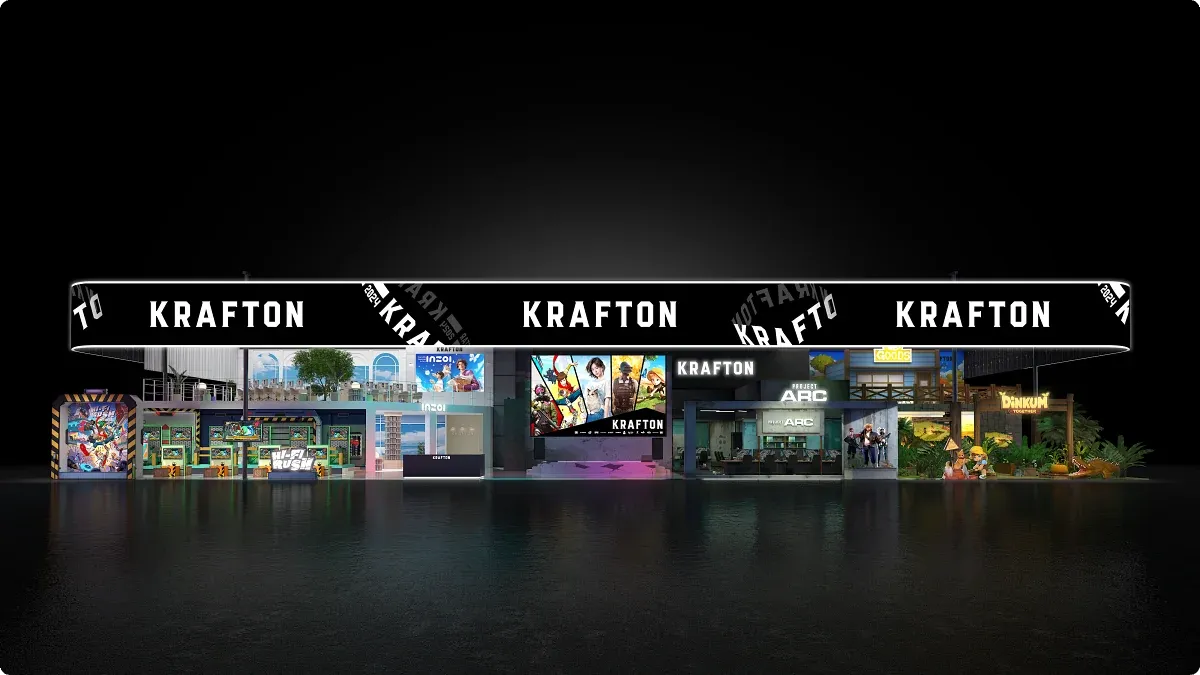
Krafton publicly unveiled inZOI for the first time at G-STAR 2023, South Korea’s largest game expo. Attendees at the Busan event saw an exclusive gameplay demo showcasing inZOI’s core features – character creation, build mode, city editing, open-world environments, weather, and life-simulation gameplay.
I’d estimate $400-600k for a booth of this size.
The Gamescom 2024 Booth
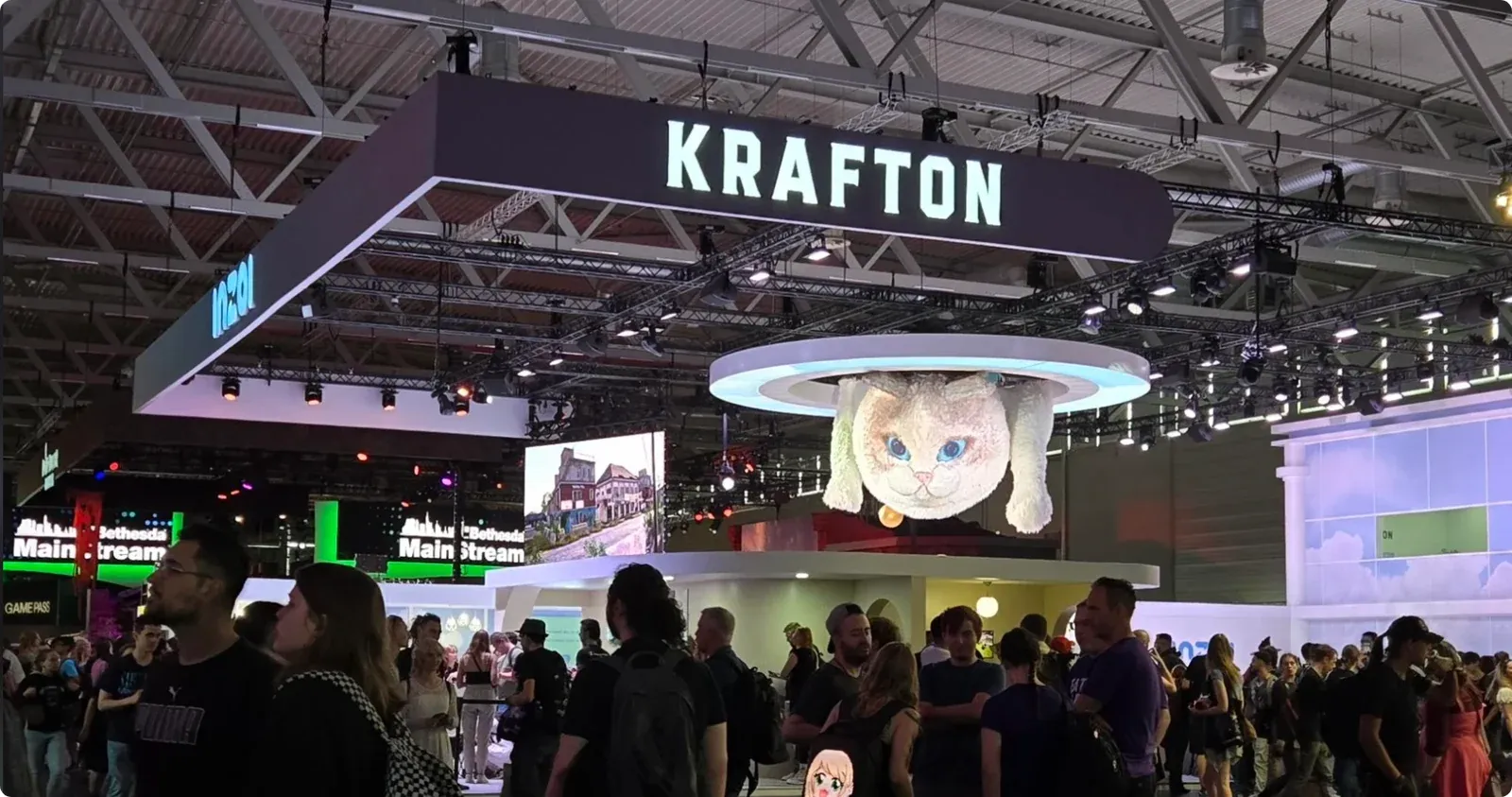
Krafton’s most impressive marketing activation was their elaborate booth at Gamescom 2024. The space was designed as a physical representation of the game’s fictional “AR Company” setting, complete with a massive hovering “Psycat” mascot suspended above the booth. Visitors could play an inZOI demo, create avatars, and even received personalized “employee badge” name tags featuring their in-game character – a brilliant tie-in to the life simulation role-play aspect.
The booth also showcased a collaboration with Samsung Display, highlighting concept OLED products that appeared in-game. This elaborate physical presence was complemented by a digital strategy – releasing the inZOI Character Studio on Steam during Gamescom (August 20-25), which drew 18,000 concurrent players and resulted in over 100,000 custom characters created in just two days.
Now I’ve paid for small booths before at Gamescom, so if I had to estimate how much this cost them, I’d ballpark in the $1 million USD area just for the floor space.
The “CONNECT x inZOI” Digital Fashion Contest
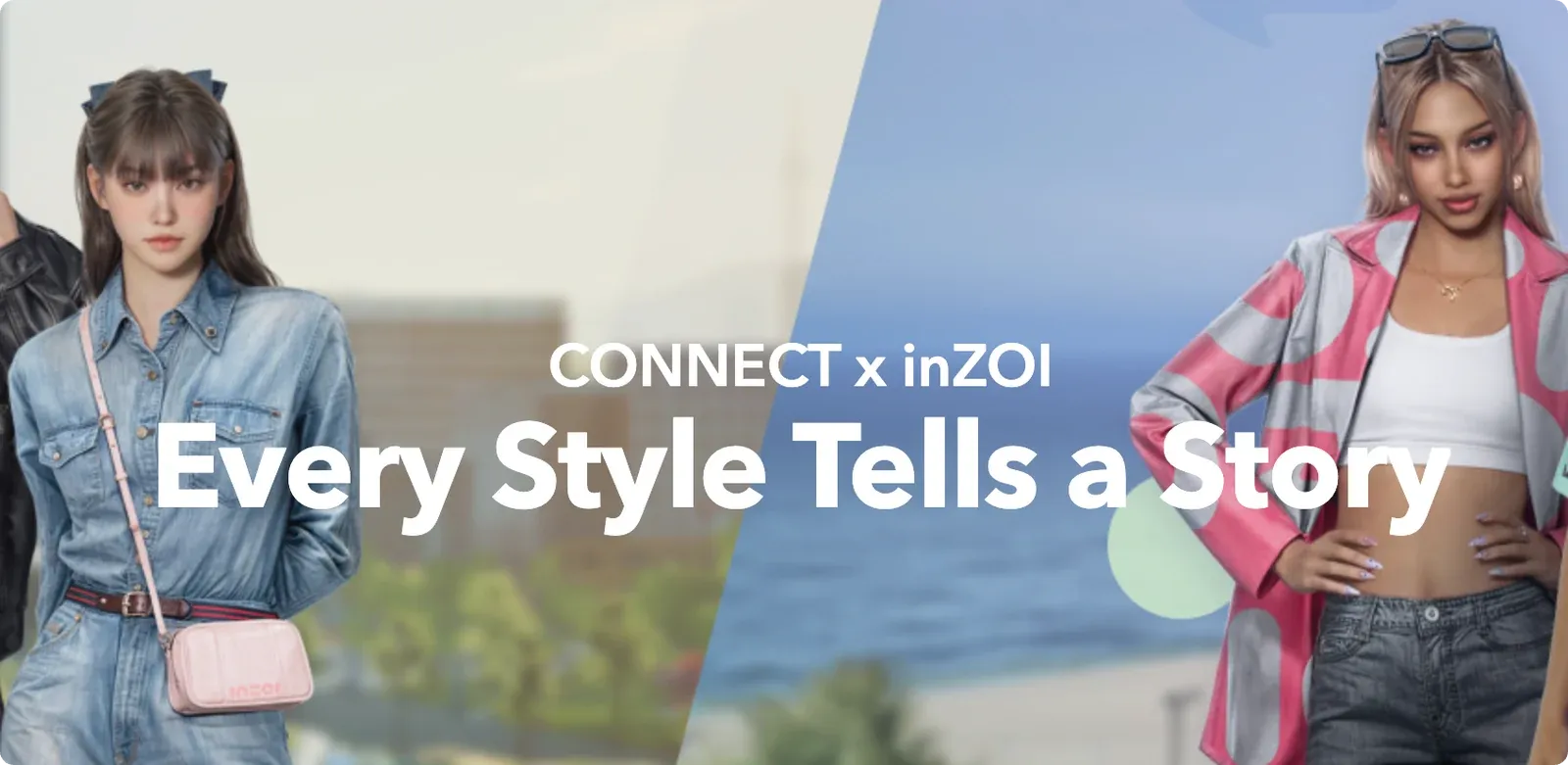
From May to August 2024, Krafton partnered with CLO Virtual Fashion to launch a digital fashion design contest. Participants created 3D digital outfits for inZOI across four style categories, with winning designs featured in the actual game.
Cost - likely $0 (other than the work involved)
inZOI Global Showcase
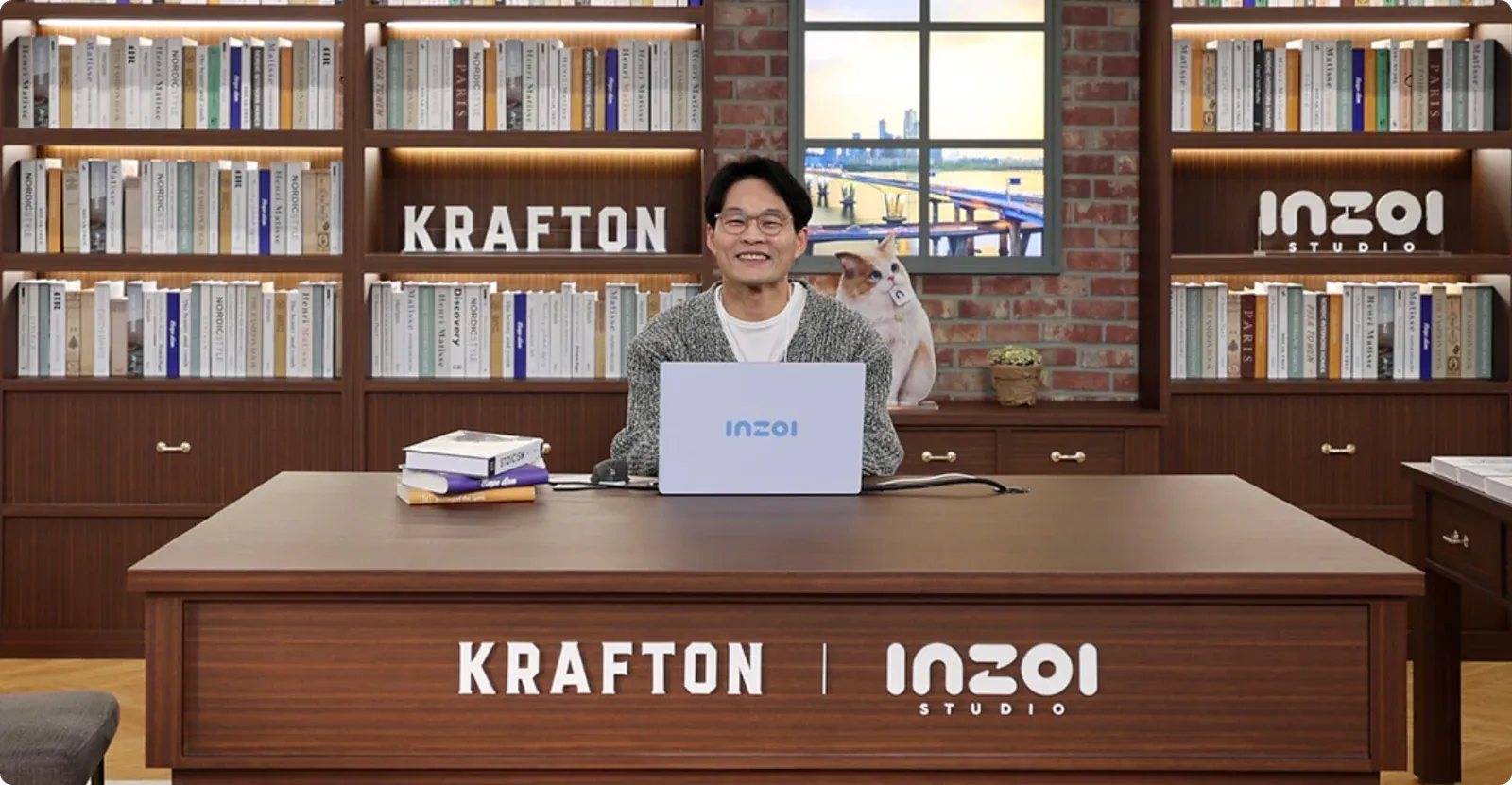
One week before launch, Krafton held an online showcase staged in a stylized “AR Library” virtual set drawn from the game’s world. During this presentation, the development team detailed the game’s design philosophy, creative tools, and post-launch roadmap. The showcase confirmed pricing ($39.99 for Early Access) and announced that all updates and DLC would be free until the full release. This digital event attracted over 450,000 viewers worldwide, demonstrating significant pre-launch interest.
Cost - likely $0 (other than the work involved)
Creative Studio Demo Week
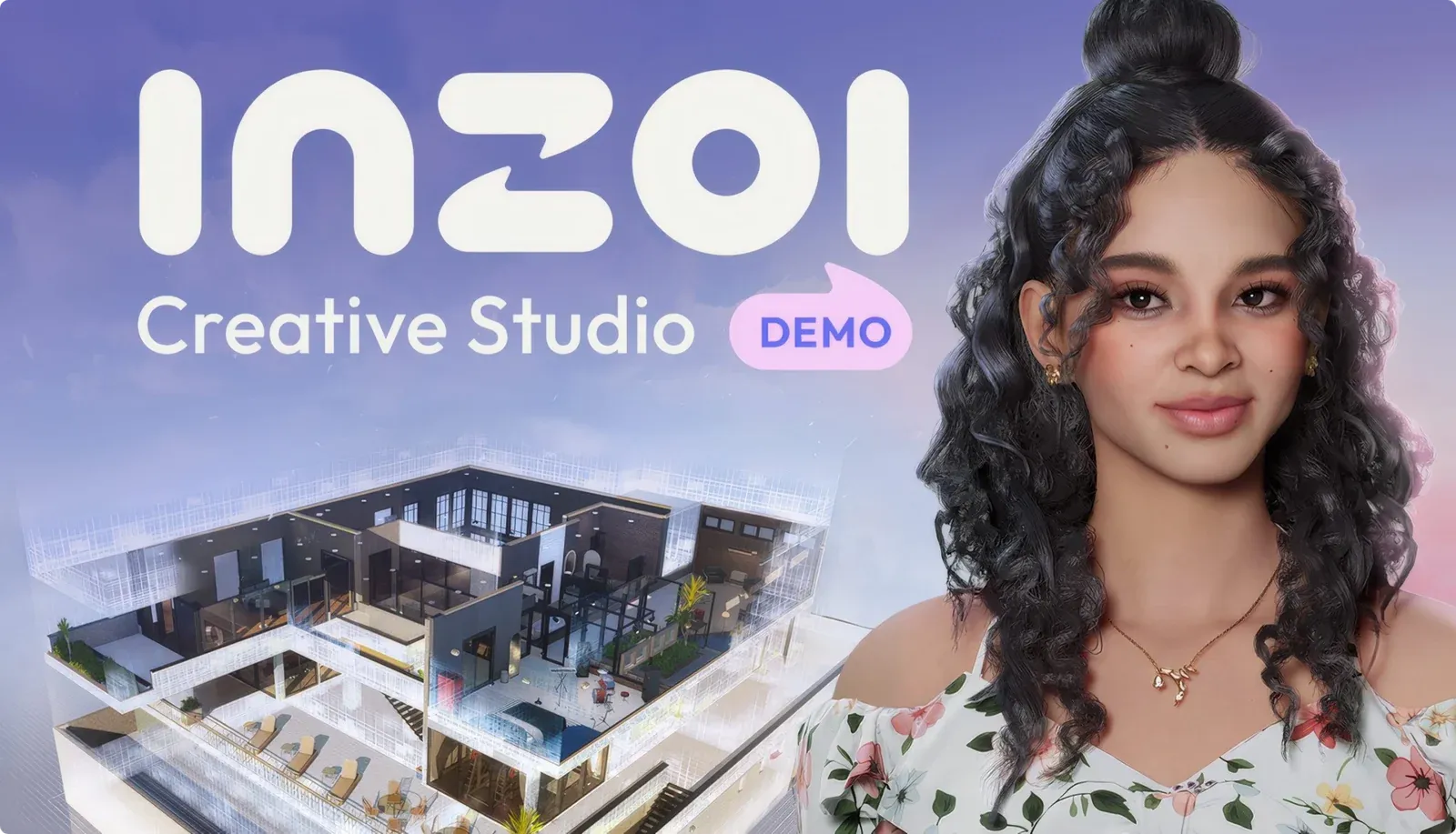
Following the Global Showcase, Krafton released the inZOI: Creative Studio demo on March 20, available free for one week leading up to launch. This trial let potential players sample the Character Studio (avatar creator) and Build Studio (building/home design) tools. The strategy proved effective – players shared creations across social media, keeping inZOI trending and contributing to it reaching #1 on Steam’s global wishlists by launch day.
Cost - likely $0 (other than the work involved)
Swift Response to Community Feedback
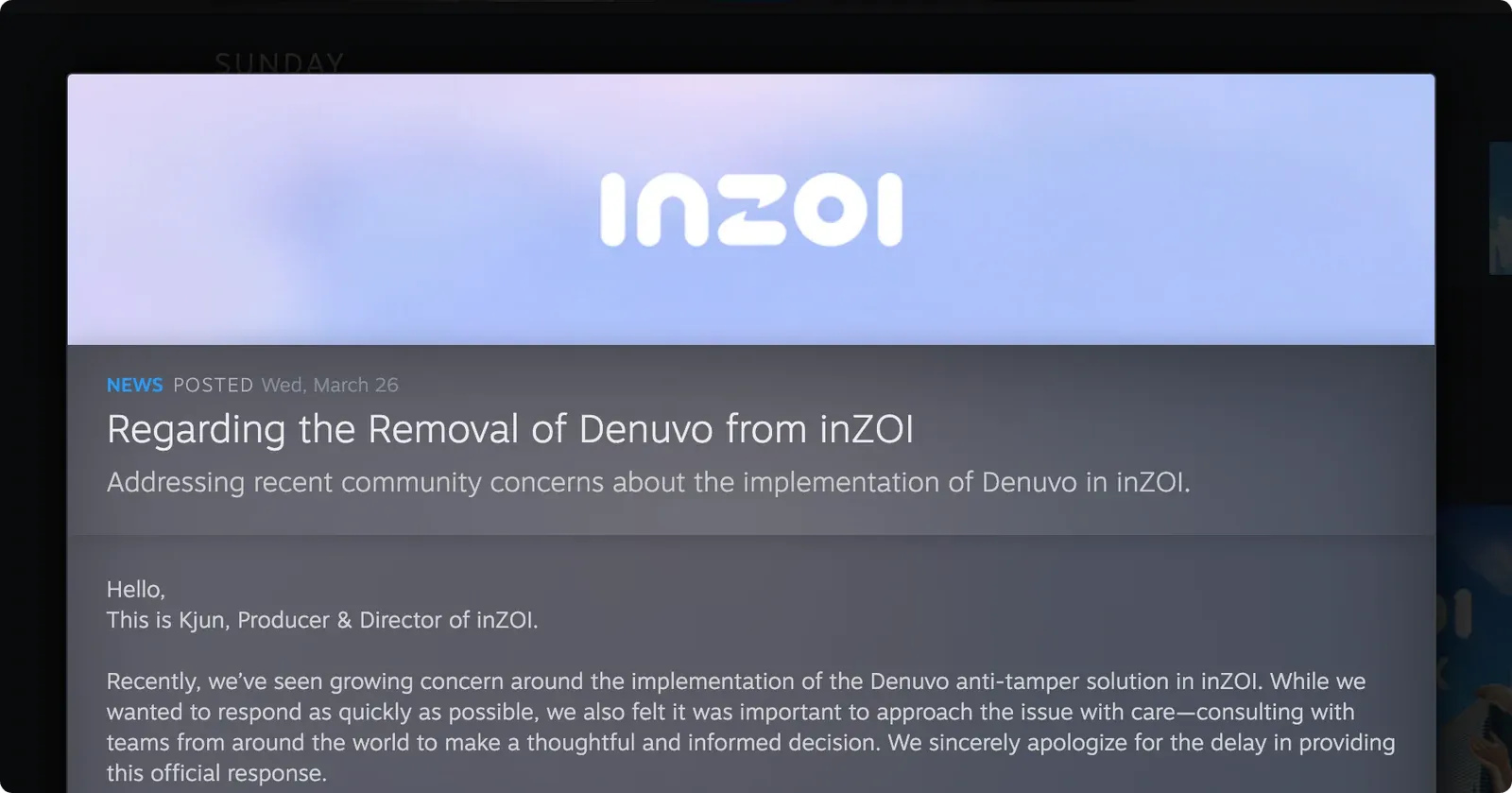
An unplanned but effective PR win came immediately after launch when concerns arose about the inclusion of Denuvo DRM, which potentially limited modding capabilities. Krafton reacted quickly, announcing the removal of Denuvo within a day of release. This responsive approach generated goodwill among players and positive coverage in gaming media.
Content Volume and Platform Distribution
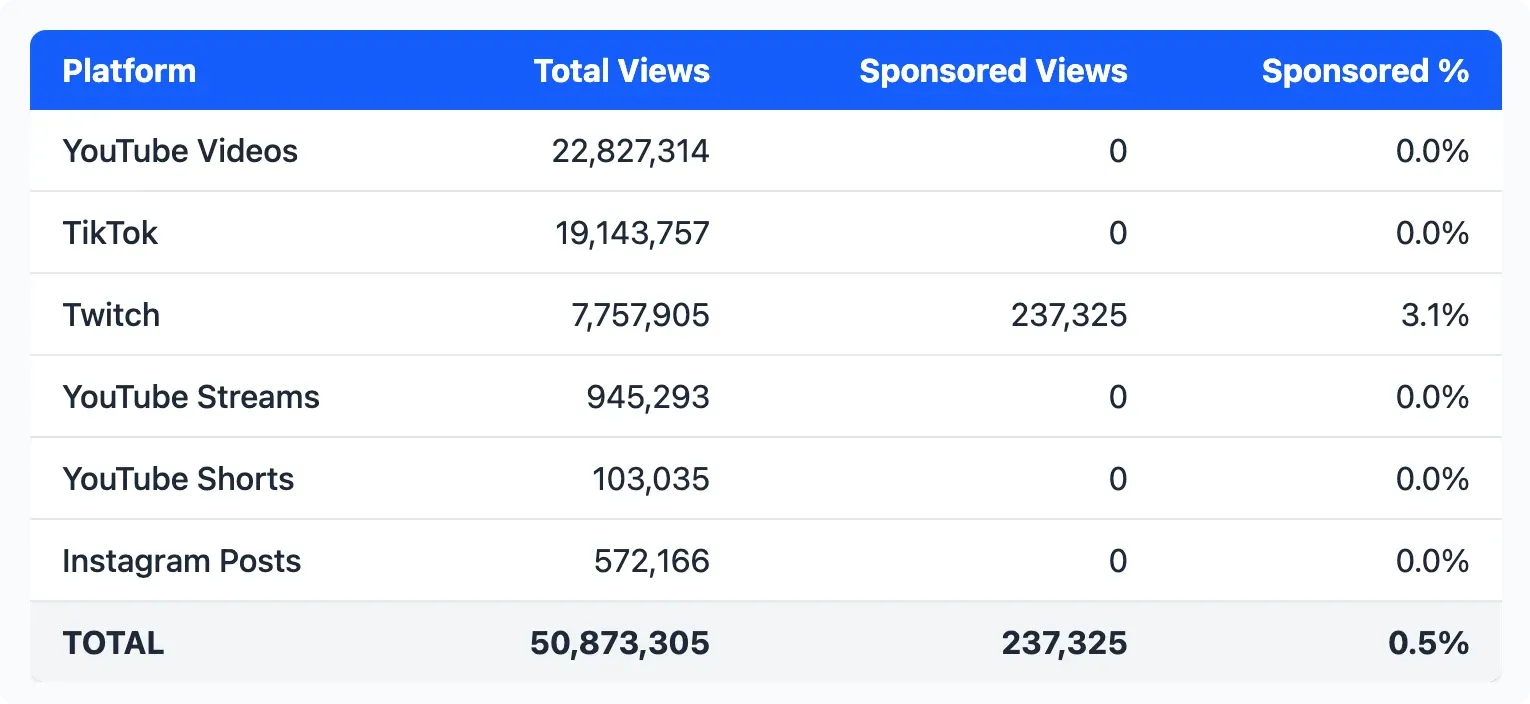
From the week before inZOI’s launch (March 20th) to 4 days after release (March 31st), the game generated 50.87 million views across all platforms. This is a strong initial showing for a new IP, especially one in the life simulation genre where a significant portion of potential players may not typically engage with gaming content creators.
The remarkably low sponsored content rate (just 0.5% overall) is a striking departure from what we’ve seen with other major game launches (e.g., Assassin’s Creed Shadows at 6.6%, Kingdom Come Deliverance 2 at 6%). This suggests that inZOI generated exceptionally strong organic interest.
Budget Allocation Breakdown
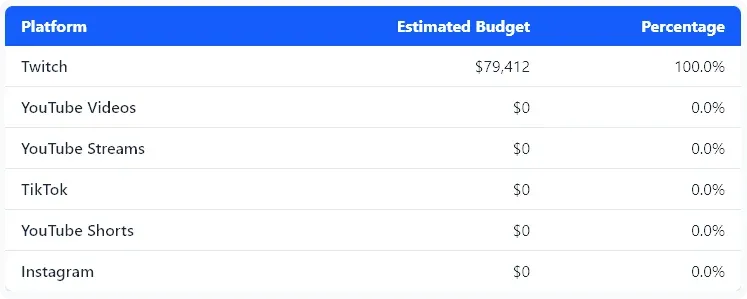
Krafton’s estimated $79k influencer marketing budget was allocated entirely to Twitch.
This single-platform focus was a stark contrast to the multi-platform strategies employed by other publishers I’ve analyzed. Monster Hunter Wilds for example distributed budget with a majority landing on YouTube, with Twitch coming in second. Fragpunk however was more in line with the strategy that Ubisoft applied here.
Market Share Capture

Something that is particularly interesting for inZOI since it’s trying to be the next version of The Sims, is to analyze how much of that market of content creators that make Sims content they were able to capture (in the first week after release).
What we see above is how many creators made content related to the various Sims games in the last 90 days. Then in the next column we see how many of those creators from the first column that Krafton managed to convert to making content about inZOI in the week before, and week after release.
This is the first time analyzing this metric, but in all honesty it doesn’t look very good. The only budget Krafton deployed was to Twitch streamers, yet they had a higher capture rate on YouTube which was completely organic.
Language Distribution of Sponsored Streamers
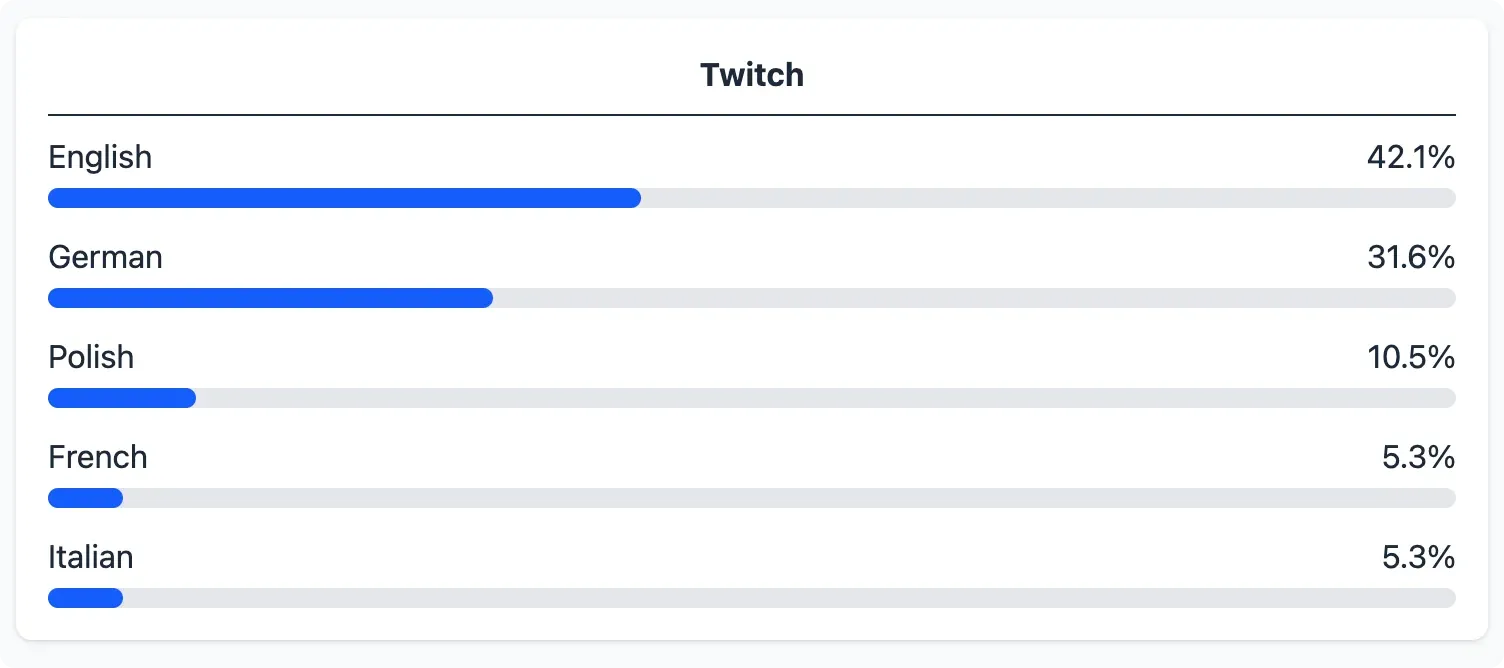
English-speaking creators formed the largest group at 42.1%, but what stands out is the significant focus on German creators (31.6%) and Polish creators (10.5%). This suggests Krafton identified Central European markets as key targets for inZOI, similar to the German emphasis we saw with Assassin’s Creed Shadows.
Country Distribution of Sponsored Streamers
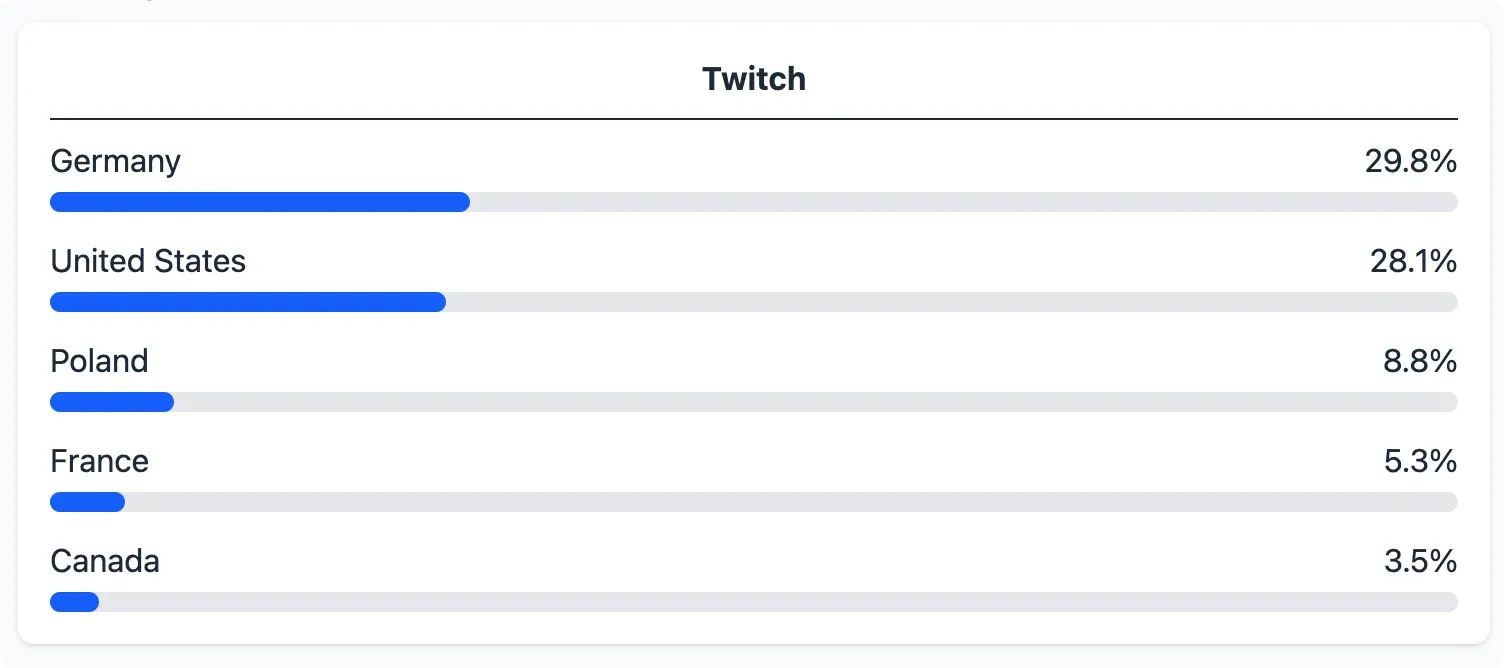
The geographic distribution confirms the Central European emphasis, with Germany actually receiving more focus than the United States. This suggests Krafton may have identified the German-speaking market as particularly receptive to life simulation games – perhaps drawing on the region’s existing interest in titles like The Sims and similar building/life sims.
Gender Distribution of Sponsored Streamers
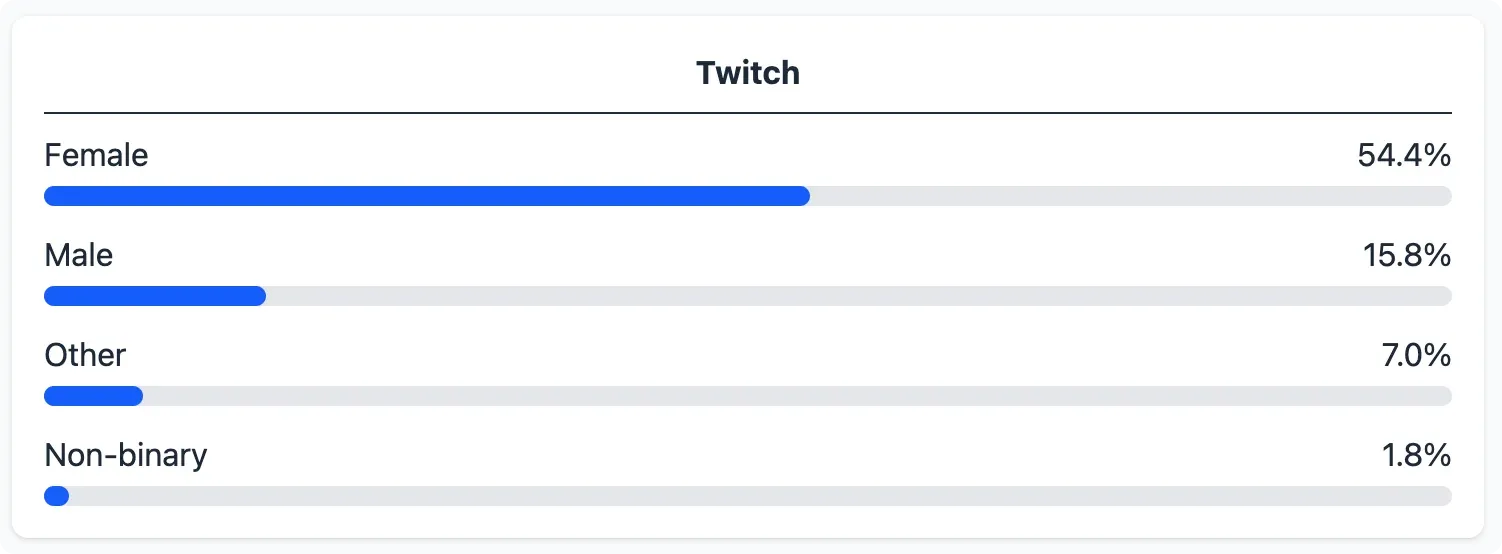
The most clear demographic choice in Krafton’s influencer strategy is the overwhelming emphasis on female creators, who comprised 54.4% of sponsored streamers. This represents a radical departure from typical gaming influencer campaigns, which tend to skew heavily male. For comparison, Assassin’s Creed Shadows’ Twitch campaign featured just 24.4% female creators (which was itself considered high for the industry).
Age Ranges of Sponsored Streamers
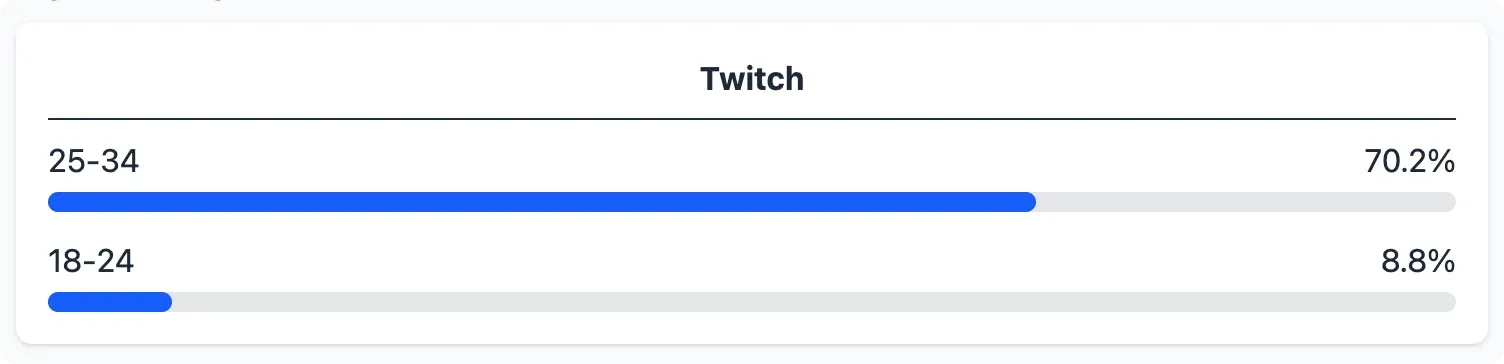
The age distribution shows a clear focus on the 25-34 age bracket, which comprised 70.2% of sponsored creators.
As a millennial myself, this focus makes sense and aligns with the target demographic for life simulation games – players who grew up with games like The Sims but now seek more visually impressive experience, or even a fresh take on the genre.
The minimal investment in the 18-24 demographic (just 8.8%) suggests Krafton was less concerned with capturing Gen Z players and instead focused on millennials who might have more established gaming preferences and spending habits.
Top Creators Hired
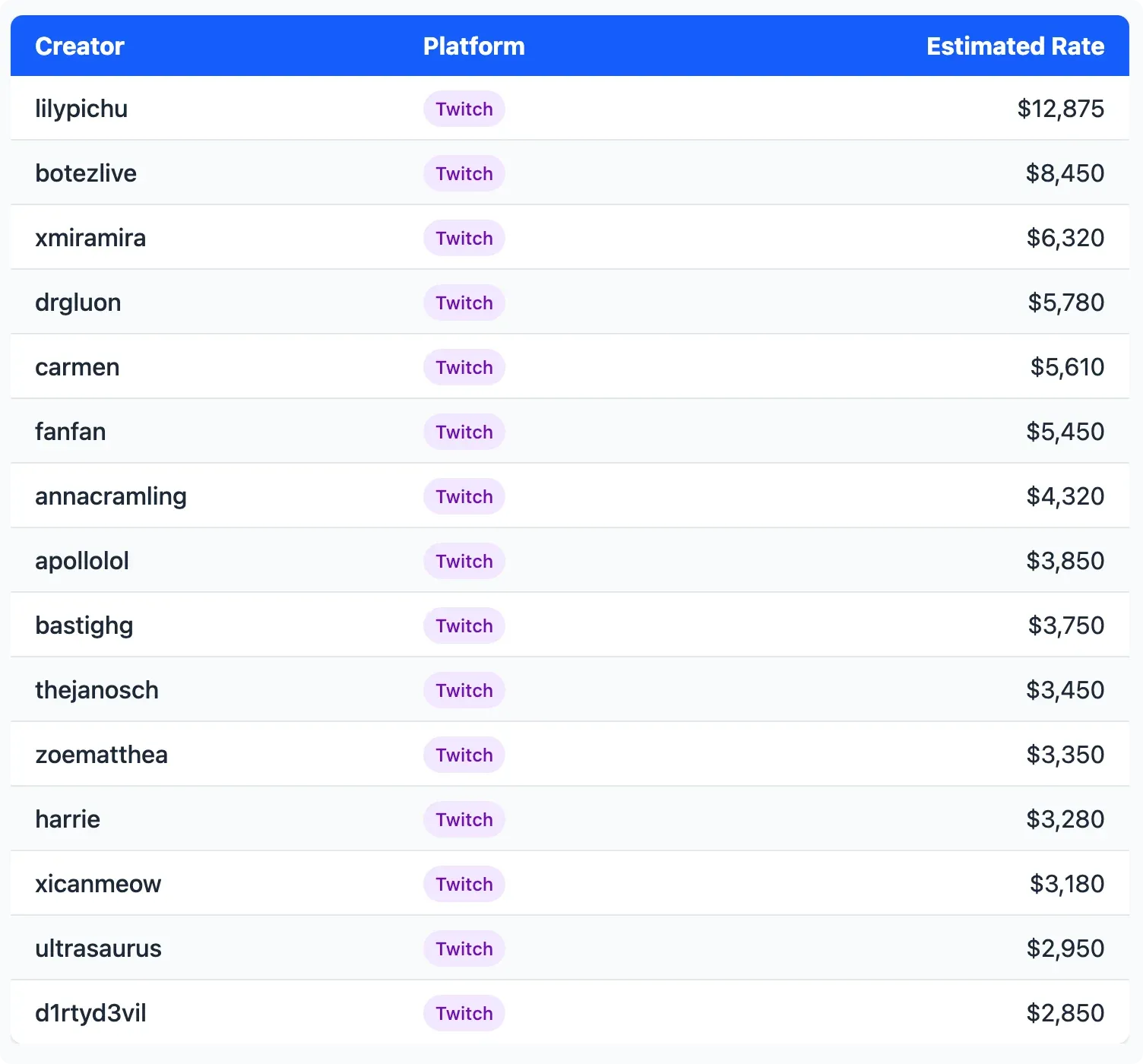
Krafton’s creator selection strategy reveals several insights. First, instead of concentrating their budget on a few high-profile streamers, they spread it across a larger number of mid-tier creators (the highest estimated payment was just $12,875 to LilyPichu, compared to the $76,510 Ubisoft invested in HasanAbi for Assassin’s Creed Shadows).
Second, there’s a clear emphasis on creators with specific genre expertise and audience relevance. Top sponsored streamers included well-known life simulation and creative game specialists like xMiraMira (known for Sims content and custom content creation), DrGluon (a long-time Sims streamer), and numerous creators focused on building, design, and character customization games.
Another interesting trend I saw was sponsoring female chess streamers like the Botez sisters and Annacramling. I’m not sure if this was intentional, or if it fell under the objective of hiring a majority female creators.
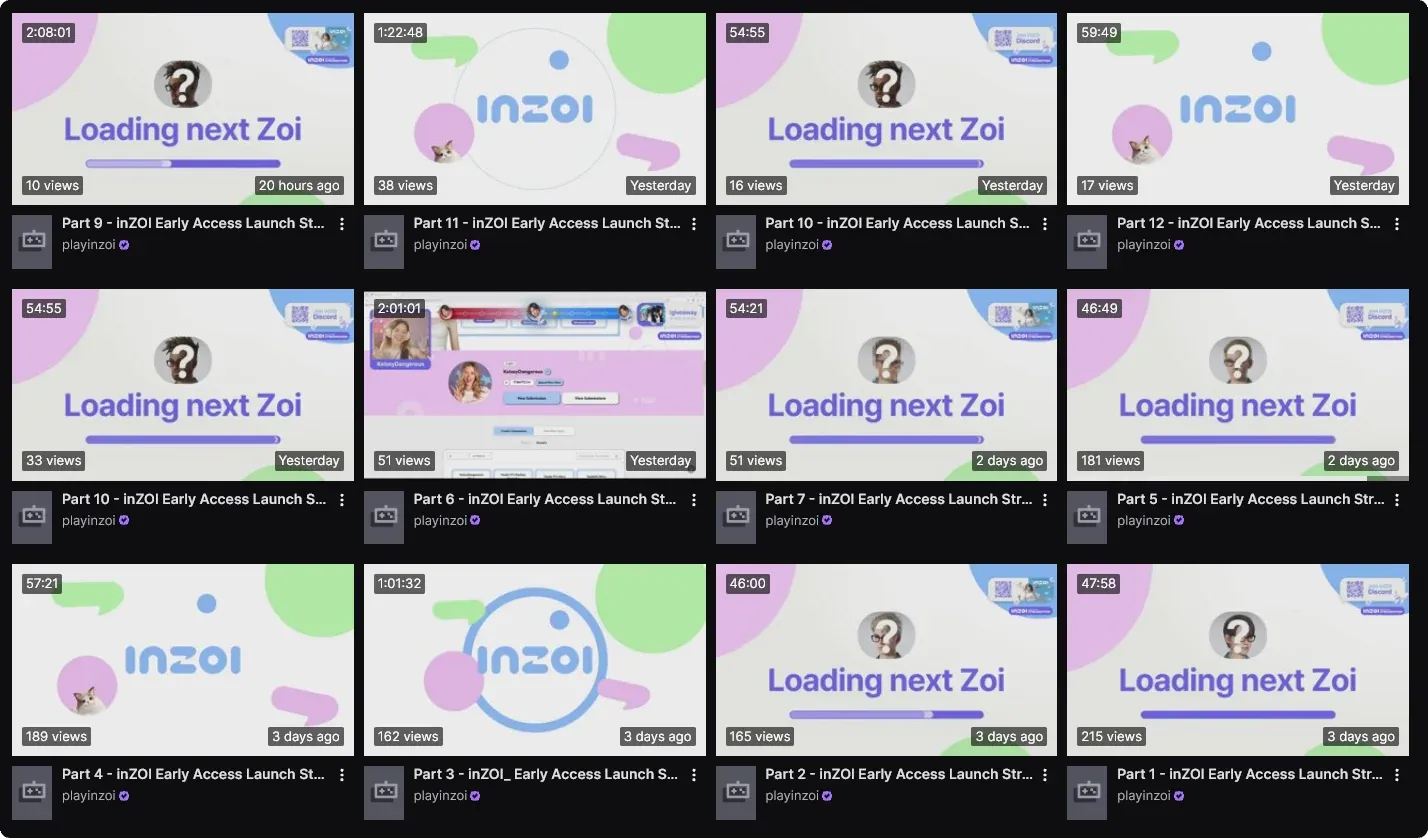
Finally, Krafton implemented a unique hybrid streaming strategy for some of the streamers. The arrangement involved them beginning their stream on their personal channel where they designed their character, then raided over to the official “playinzoi” channel to continue their gameplay. I think they did this to grow their presence on Twitch for future showcases.
My Thoughts
Perhaps most surprising is Krafton’s minimal investment of $79k despite being a company valued at $11.2 billion. Either Krafton’s team has extreme confidence that the game can carry it’s own weight organically, and ride “new Sims” wave, or…
Since this is an early access launch, it’s possible they are saving budget for the full release of the game. I’ve seen this before, but to me it signals a lack of confidence in the product and that it was released too early. It’s possible that this is the only chance inZOI will get to make an impression on this audience.
Now one thing to note is that I haven’t included data from Korean/asian streaming platforms as I don’t collect data on it. It’s possible that they blew hundreds of thousands in that market as it’s closer to home.
Want to See More Data?
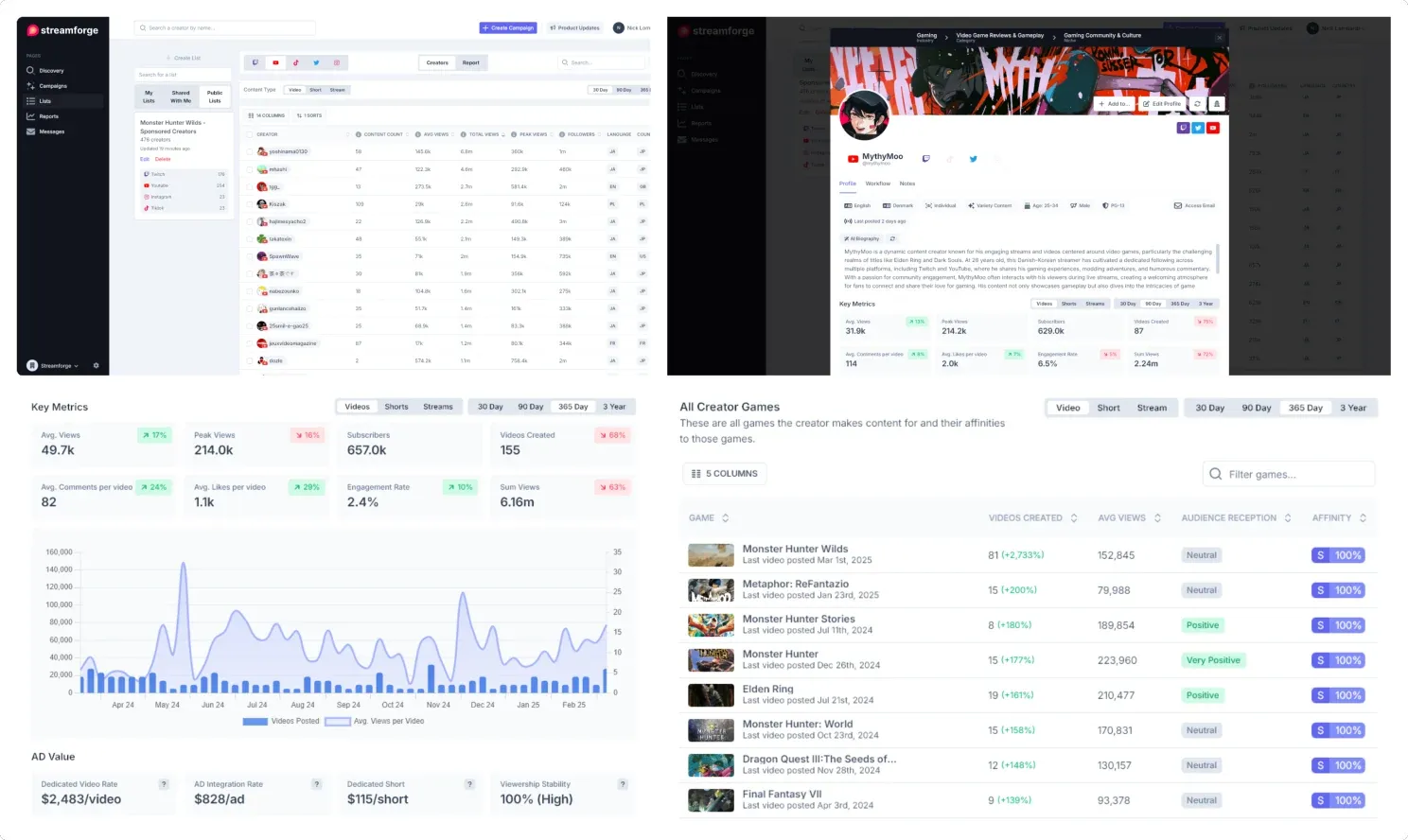
To see the full list of 21 sponsored creators for inZOI, start your trial and we’ll show it to you in Streamforge, along with each creator’s key metrics, AI-analyzed interests, entire content library, and detailed demographic breakdowns.